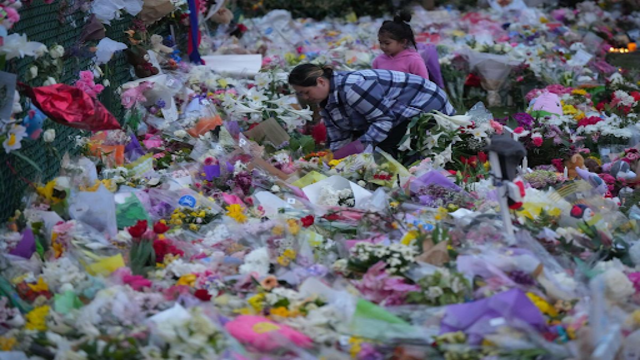
A woman places flowers at a memorial during a vigil in Vancouver on Friday, May 2, 2025. The gathering marked a provincial day of mourning for those who lost their lives in the vehicle attack at the Filipino community’s Lapu Lapu Day festival. (THE CANADIAN PRESS)
A group of Canadian media outlets has asked a British Columbia judge to lift a ban that blocks reporting on evidence from a key court hearing. The hearing will decide if Adam Kai-Ji Lo, the man accused in the Lapu Lapu Day festival attack, can stand trial.
Both prosecutors and defence lawyers support the ban. It prevents publishing evidence from the hearing until either the trial ends or a judge removes the restriction.
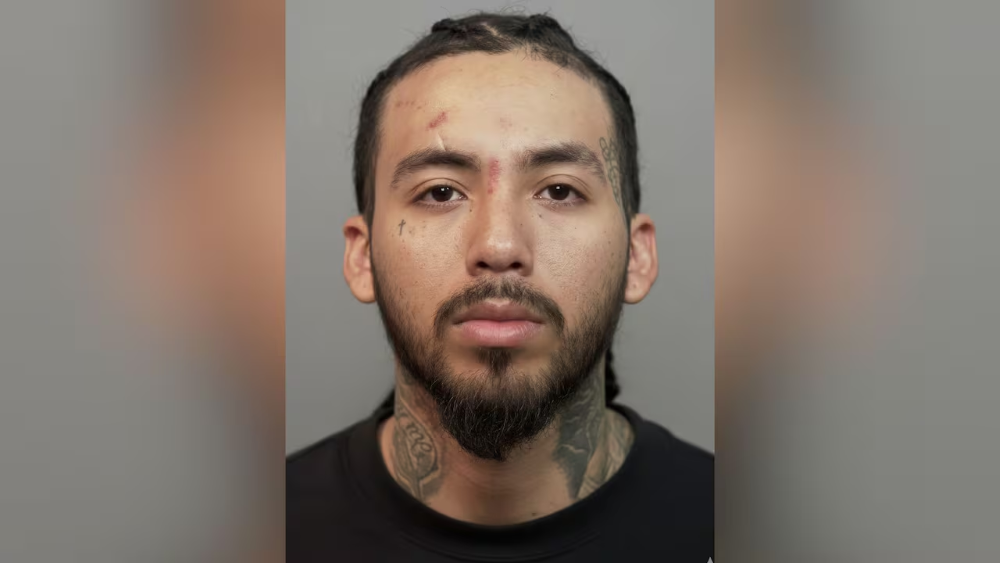
Lo appeared in court by video on Tuesday, wearing a blue sweatshirt. He faces 11 second-degree murder charges. In April, an SUV drove through a crowd at a Filipino festival in Vancouver, killing 11 people.
Media argue public interest
Lawyer Daniel Coles, representing the media consortium, told the court the ban goes too far. He said the attack has become “the deadliest vehicle attack in Canadian history” and the public has a right to know what happens in court.
Coles argued that media coverage plays a vital role because most people cannot attend court in person. He said limiting reporting “cuts against the open-court principle.”
He urged the judge to balance Lo’s right to a fair trial with the public’s right to information. “A proper publication ban is done with a scalpel, not a hatchet,” Coles told the court.
Defence and Crown oppose change
Defence lawyer Mark Swartz rejected that argument. He said publicly known information about Lo is “bare bones” and adding more details could hurt the chance of a fair trial.
He warned that evidence from the fitness hearing may never be admissible in the criminal trial. Publishing it now, he argued, could influence potential jurors.
Crown lawyer Michaela Donnelly agreed. She said the open-court principle matters, but a temporary ban protects Lo’s rights. “It doesn’t bar publication forever. It simply delays it,” she told the judge.
She added that protecting a fair trial outweighs the drawbacks of restricting reporting for now.
Sensitive history
Coles noted that parts of Lo’s history are already public. This includes past interactions with police over mental health, the murder of his brother, and his mother’s attempted suicide. He argued that these facts are already widely known and would not surprise any potential juror.
But Swartz dismissed that claim. He said the known details remain limited and that the ban is necessary to prevent bias.
What happens next
Last month, forensic psychiatrists Dr. Robert Lacroix and Dr. Rakesh Lamba testified during the hearing. Their evidence remains sealed because of the ban, though their names and roles can be reported.
Lo is expected back in court when the hearing resumes on Friday. The judge has not yet ruled on the media challenge.