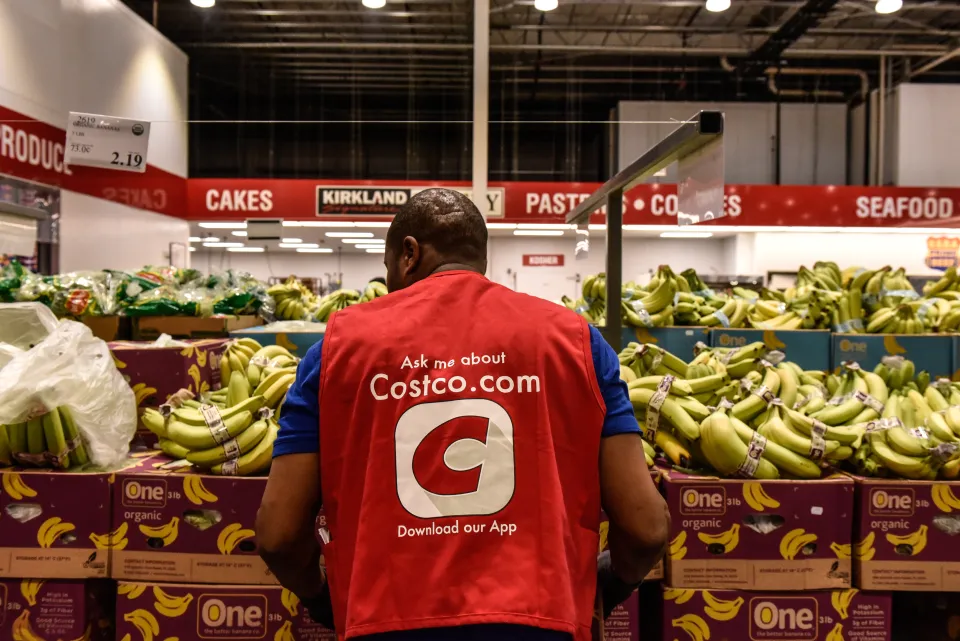
A Metro grocery store in Ste-Thérèse, Quebec. (Photo: Ryan Remiorz/The Canadian Press)
The love for Canadian-made products, once surging, is now showing signs of slowing down, according to one of the country’s top grocers. Metro Inc. chief executive Eric La Flèche told analysts during a third-quarter earnings call that while shoppers still favour local goods, the pace of growth has dipped.
“People are still buying more Canadian than imported items,” La Flèche noted. “The growth is there, but it’s not as strong as before.”
Why the Slowdown?
Earlier this year, escalating trade tensions with the United States spurred many shoppers to choose homegrown goods. Grocery stores responded by increasing local product offerings and highlighting them on shelves. However, U.S. tariffs and Canada’s counter-tariffs have had a ripple effect, pushing food producers to ask for price hikes.
La Flèche revealed that about 3,000 products have seen price increases due to these tariffs. “Vendors are seeking higher prices, and that’s contributing to food inflation,” he said. “We’re negotiating to soften the blow for customers, and so far, it’s under control.”
Finding New Supply Sources
To counter rising costs, Metro has been looking beyond North America, exploring suppliers from other countries. This strategy aims to keep product prices competitive while ensuring shelves remain stocked.
Metro’s Latest Financial Results
For the 16-week period ending July 5, Metro reported a profit of $323 million—up from $296.2 million a year earlier. Earnings rose to $1.48 per diluted share, compared to $1.31 last year. Sales climbed to $6.87 billion from $6.65 billion.
Food same-store sales increased by 1.9%, while pharmacy sales jumped 5.5%. The pharmacy boost included a 6.2% rise in prescription sales and a 4% increase in front-store sales, driven largely by over-the-counter medicines, cosmetics, and health products.
Consumer Trends Remain the Same
Despite the shift in buying Canadian products, shoppers remain focused on stretching their grocery budgets. “The hunt for value has been ongoing for years,” La Flèche said. Promotional sales remain high, and private-label products are popular with price-conscious buyers.
On an adjusted basis, Metro earned $1.52 per diluted share—up from $1.35 last year.
Market Reaction
Even with strong results, Metro’s stock price fell 7% to close at $98.58 on the Toronto Stock Exchange. RBC analyst Irene Nattel described the results as “solid and consistent,” but said the dip likely came from high investor expectations.
She noted that Metro’s steady performance, like that of rival Loblaw, reflects a market where consumers dine out less and focus on value at home. Metro continues to invest heavily in modernizing its supply chain, having poured nearly $1 billion into upgrades in Quebec and Ontario.