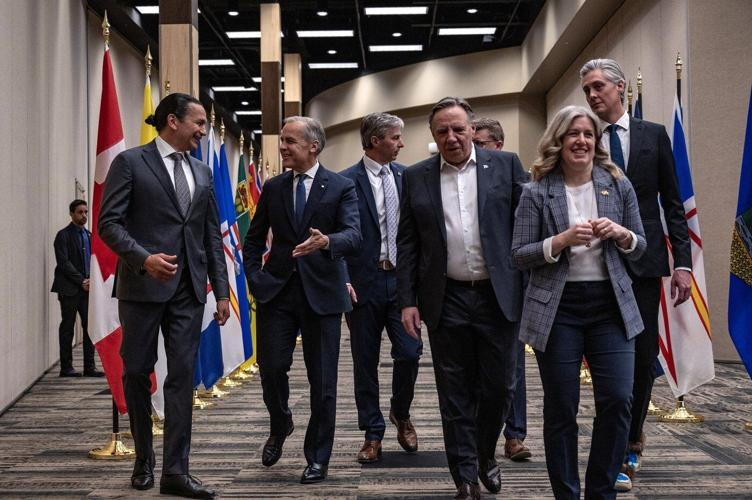
Manitoba Premier Wab Kinew stands alongside Prime Minister Mark Carney and several provincial and territorial leaders during the First Ministers’ meeting in Saskatoon on Monday, June 2, 2025. THE CANADIAN PRESS
Ontario Premier Doug Ford and New Brunswick Premier Susan Holt said Wednesday that Canada now faces an unusual and uneasy relationship with the United States. Both leaders agreed with Prime Minister Mark Carney’s recent comment that “almost nothing is normal” south of the border.
“I agree with him. I think the whole world is watching that, including Americans,” Ford told reporters during a news conference in Ottawa.
“It’s unfortunate President (Donald) Trump has taken this avenue that he's going down, but remember—a tariff on Canada is a tax on Americans. Americans know it; they're feeling it.”
Border activity raises alarm in Atlantic Canada
Holt echoed those concerns, saying many people in New Brunswick no longer recognize the United States as the familiar neighbor they once knew.
“We see it in New Brunswick right now with ICE agents on the border of New Brunswick and Maine and Calais, and it makes all of us very, very uncomfortable,” she said. “There's nothing that we recognize in our neighbors right now with the leadership that they have.”
Her remarks highlighted growing unease in border communities as trade tensions and security issues continue to rise.
Trade talks clouded by tension
The comments followed a pointed exchange in the House of Commons earlier this week. Bloc Québécois Leader Yves-François Blanchet asked Carney whether Canada could still count on “normal, cordial negotiations” with Washington as North America’s free-trade agreement approaches renewal.
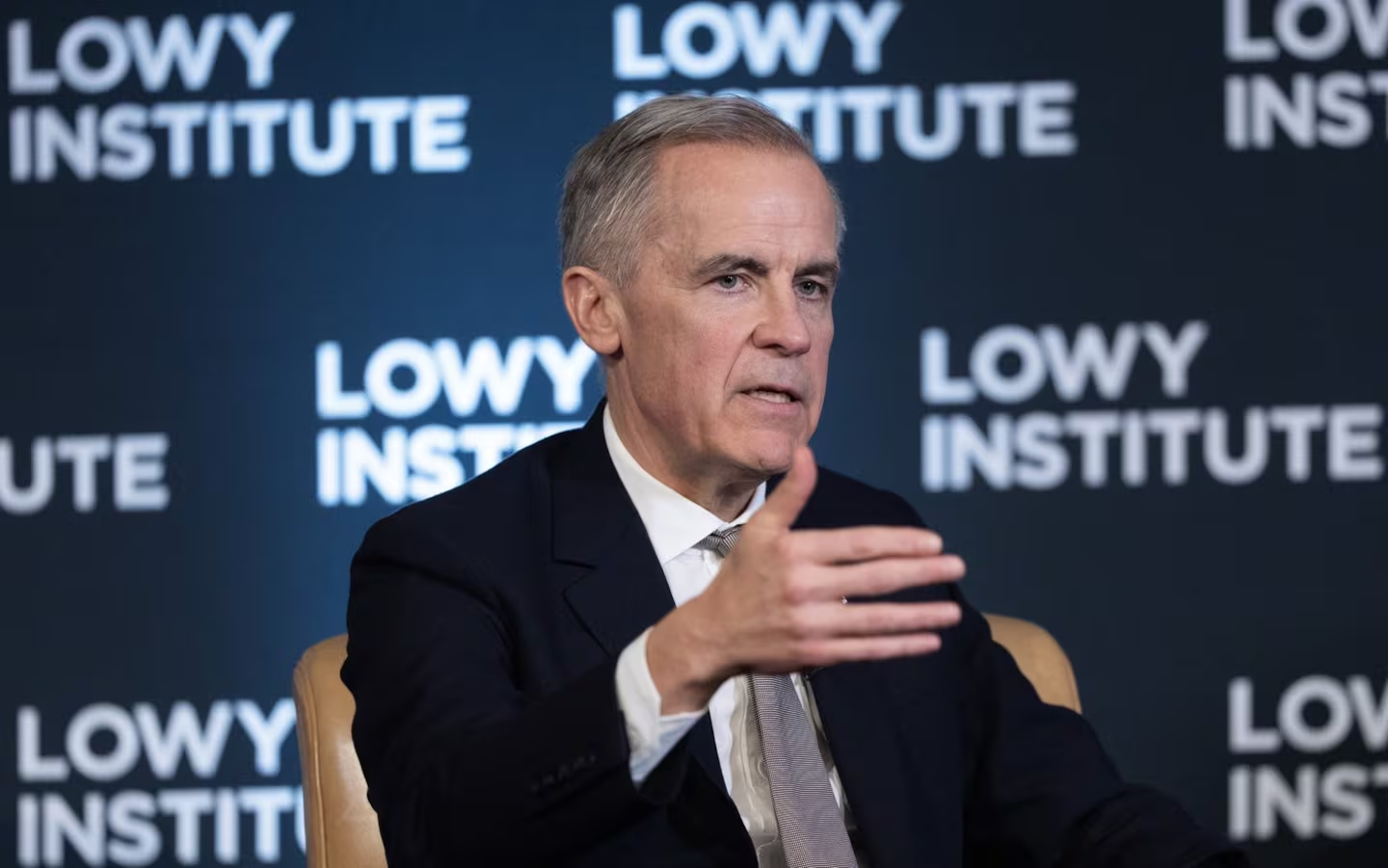
Carney responded by saying conditions have shifted dramatically and that “almost nothing is normal in the United States currently.”
Premiers stress resilience and unity
Meeting in Ottawa for two days, Canada’s premiers aimed to show a united front as trade pressure from the United States intensifies. Several leaders pointed to signs of resilience, including a sharp increase in Ontario exports moving through the Port of Saint John. Shipments there have more than doubled since Trump returned to office.
Despite this shared message, tensions between provinces continue to surface.
The pipeline debate remains unresolved
British Columbia’s frustration over Ottawa’s support for a possible West Coast pipeline remains a key issue. B.C. Premier David Eby and Alberta Premier Danielle Smith met with Carney on Wednesday, along with other premiers.
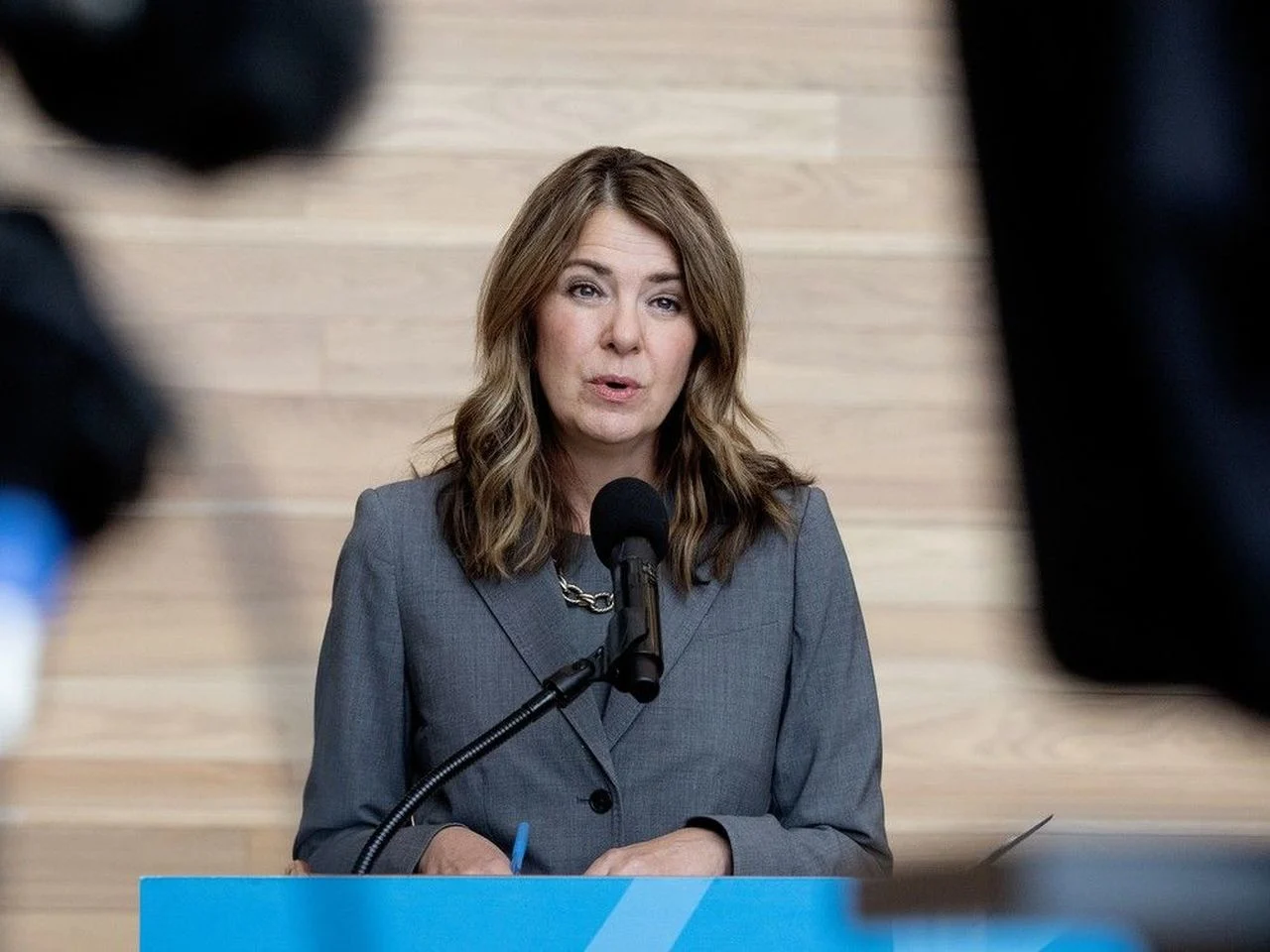
After the meeting, Smith said she noticed signs of “progress” and described the talks as positive. Eby offered a more cautious view, saying Alberta still lacks key details.
“So, they are in a very early stage in this project. They committed to keep us updated as we move forward,” Eby said.
Dispute over Canadian-made whisky
Another disagreement emerged over Ford’s plan to remove Crown Royal whisky from Ontario’s government-run liquor stores. Manitoba Premier Wab Kinew objected to the move, noting the product is made in Gimli, Man.
Ford said he understood Kinew’s concerns. “He’s doing what any other premier would do, trying to protect his jobs,” Ford said, adding that Ontario leaders aim to do the same for their workers.
Calm tone despite challenges
Despite disagreements, several premiers described the meetings as unusually cooperative. Kinew said the gathering marked “one of the most amicable and calm meetings that we've had since I've been at the premiers' table.”
Ford also struck an optimistic note. “I'm feeling positive,” he said. “But now we know ... President Trump's rules: There are no rules with him. So, we need to focus on what we can do.”