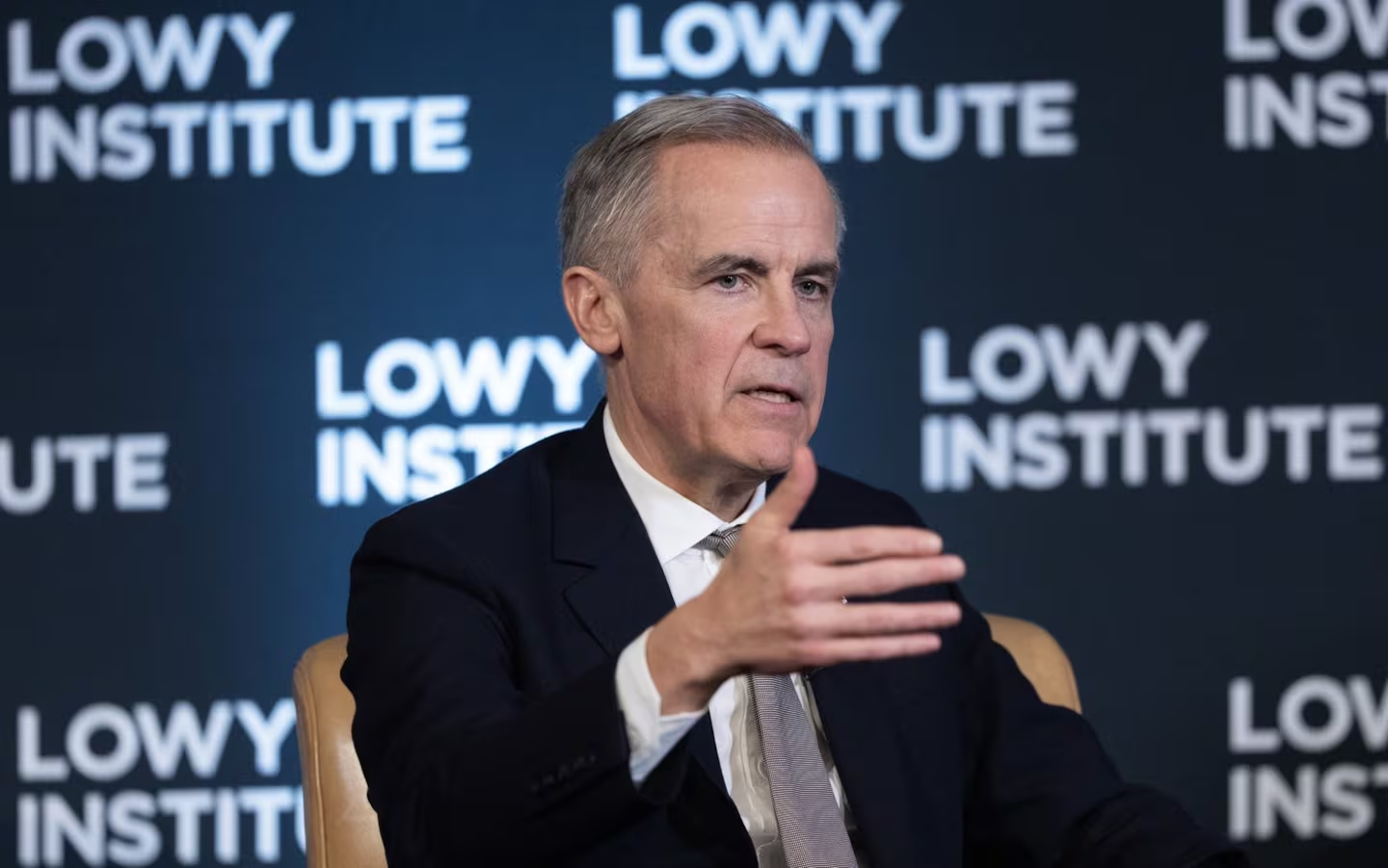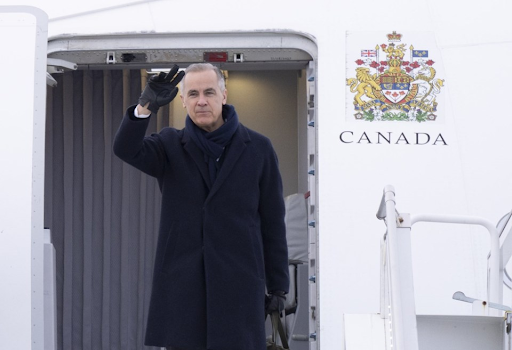
Prime Minister Mark Carney steps onto a government aircraft in Ottawa on Monday, Jan. 5, 2026, before departing on official business. The Canadian Press
Mark Carney arrived in Paris on Monday as Canada prepared to take part in critical talks with Ukraine’s allies. The meetings aim to secure long-term safety measures that would stop Russia from launching another invasion if a ceasefire agreement comes into force.
Leaders from a group known as the “coalition of the willing” will meet on Tuesday. The group includes Canada, France, and several other European nations. Nearly four years after Russia’s full-scale invasion of Ukraine, the allies want to move peace efforts forward and strengthen protections for Ukraine.
Wide International Participation Expected
About 30 countries are expected to join the discussions. The talks follow recent changes inside Ukraine’s government, as President Volodymyr Zelenskyy reshaped key leadership roles. Last week, he appointed a new chief of staff, replaced the head of Ukraine’s security service, and named former Canadian deputy prime minister Chrystia Freeland as an economic development adviser.
Carney said in a statement that his main goal remains clear: strengthen Ukraine’s ability to defend itself and prevent future Russian attacks. Canada continues to work with allies to improve Ukraine’s defence strength, support long-term rebuilding, and push for the return of Ukrainian children “unlawfully deported” during the war.
Canada’s Support for Ukraine Continues
Canada has played a major role in supporting Ukraine. When Carney met Zelenskyy in Halifax last month, Canada announced $2.5 billion in financing and loan guarantees. On a per-person basis, Canada ranks among the strongest supporters of Ukraine’s recovery.
Ahead of the Paris meeting, Zelenskyy also held talks with national security advisers from more than 15 countries, along with representatives from Europe and NATO. Carney’s foreign and defence policy adviser attended those meetings on Canada’s behalf.
Key Questions Around Peace and Protection
Experts say the current peace plan still leaves serious issues unresolved. Benjamin Zyla from the University of Ottawa said Ukraine must decide the future of its territory.
“That is for the Ukrainians to decide and the Canadian government has made this clear that it’s only for Ukrainians to decide,” Zyla said.
He added that protecting Ukraine after any agreement remains a major concern.
“The second major issue is the question of protecting the Ukrainian territory should Ukraine and Russia reach a peace agreement in the near future.”
Zyla explained that any international force would need strong authority to enforce an agreement, not just observe it.
Meetings With Key Leaders
Carney’s schedule includes meetings with NATO Secretary-General Mark Rutte and French President Emmanuel Macron, who hosts the coalition talks. Carney will also meet Danish Prime Minister Mette Frederiksen and Finland’s President Alexander Stubb.
Global tensions may also shape discussions. Recent events in Venezuela and renewed comments by U.S. President Donald Trump about Greenland could influence how leaders view security and international law.
Carney has spoken strongly against Venezuela’s former leadership and welcomed what he called an opportunity for democratic change. He also recently spoke with Venezuelan opposition leader Maria Corina Machado, reaffirming Canada’s support for a peaceful, Venezuelan-led transition.
Carney returns to Canada Tuesday evening after completing his meetings.