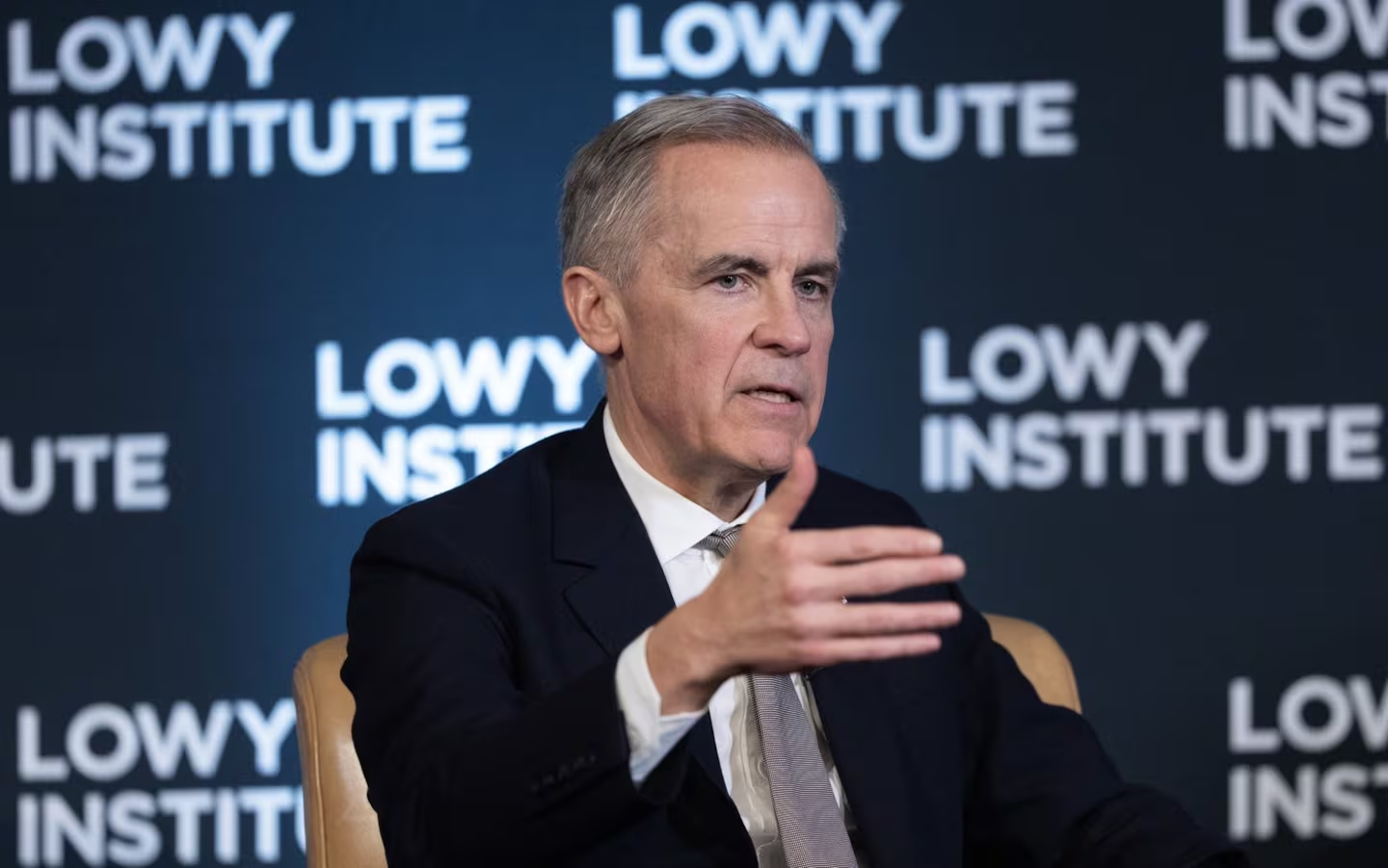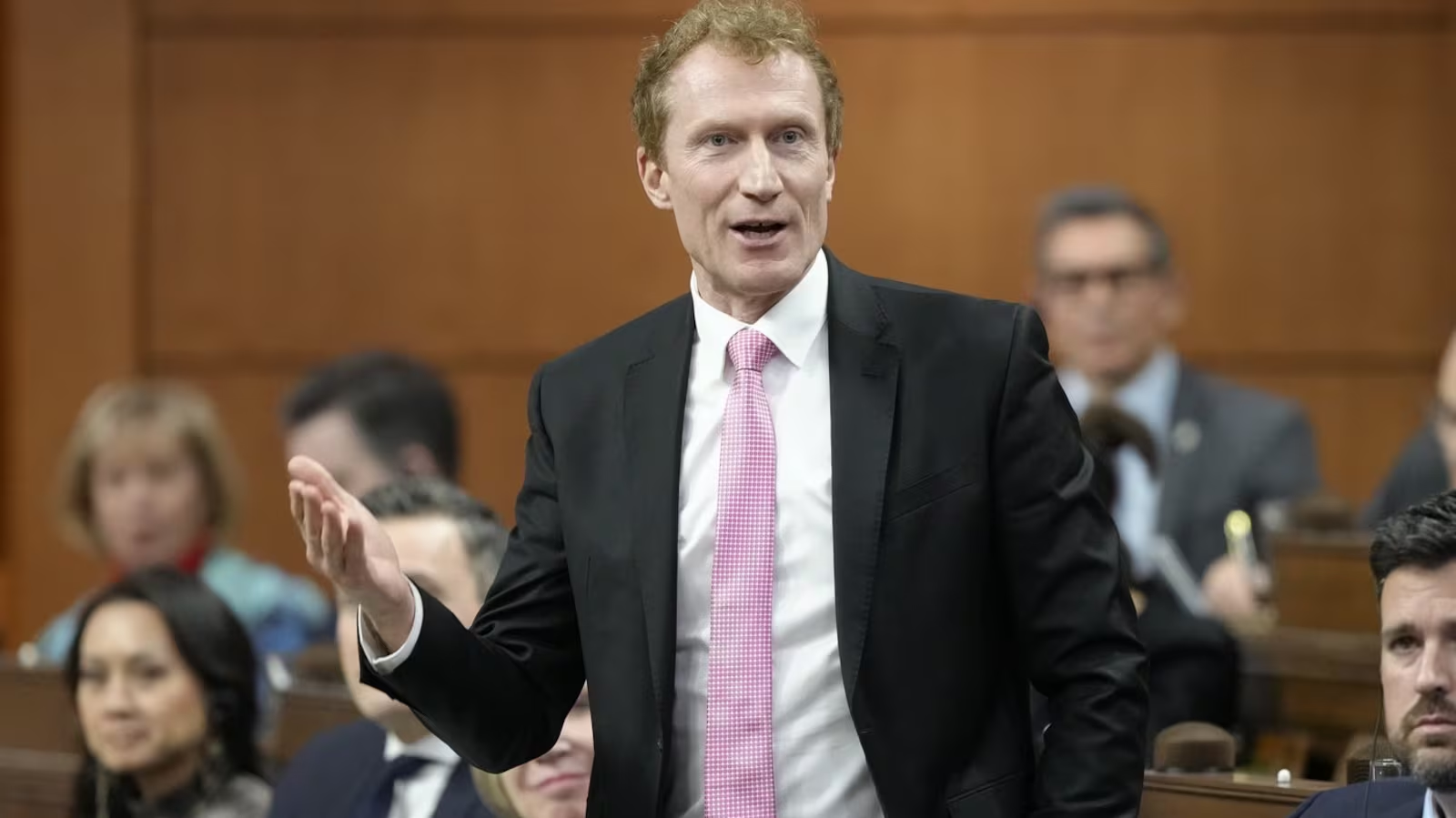
Canadian Identity and Culture Minister Marc Miller stood to speak during Question Period in the House of Commons on Parliament Hill in Ottawa on Wednesday, February 4, 2026. THE CANADIAN PRESS
Prime Minister Mark Carney has removed two federal roles created under the previous government that focused on antisemitism and Islamophobia. In their place, the Liberal government has introduced a new body called the Advisory Council on Rights, Equality and Inclusion.
The new council will take on a broader role, with a mandate to address racism and hate in all forms across Canada.
Shift Toward a Broader Approach
Canadian Identity and Culture Minister Marc Miller explained the government’s reasoning for the change on Wednesday. He said the country has become increasingly divided and that the former stand-alone positions helped bring attention to serious concerns.
“It’s about folding in those two positions unto a new committee on national unity,” Miller said.
He added that the former roles played an important role, but the government now wants to move forward with a wider focus.
“Now it’s about taking the next step into a national unity committee that is broad, that does recognize the specificities of Islamophobia and antisemitism, but is focused on national unity,” Miller said. “And I think that’s important.”
How the New Council Will Work
Miller said the advisory council will report directly to both him and the prime minister. Members will include academics, experts, and community leaders, though the government has not yet named them.
The council will consult with communities across the country and help guide efforts to protect rights and promote what the government calls social cohesion. Its goal will include bringing Canadians together around shared values and identity.
Canada’s last special envoy on antisemitism, Deborah Lyons, stepped down in July. The special representative on Islamophobia, Amira Elghawaby, still had one year left in her mandate when the government made the change.
Community Groups Voice Concern
The decision caught several advocacy groups by surprise. Leaders from both Jewish and Muslim organizations said they worry the change could weaken efforts to address specific forms of hate.
Steven Zhou, a spokesperson for the National Council of Canadian Muslims, said the reaction within the community was one of disappointment.
“Our immediate reaction was really the same as the reactions of so many people, so many messages that we got from our community, and that is (a) general sense of disappointment that we won’t have a dedicated office or a point person that takes up a special interest and advisory role when it comes to tackling violent, systemic Islamophobia,” Zhou said.
Jewish Groups Seek Clarity
Similar concerns came from Jewish advocacy leaders. Simon Wolle, chief executive of B'nai Brith Canada, said the government needs to explain how the new council will continue existing work.
“We’re in a situation where there is a national crisis of antisemitism, and even an office named to fight that purpose has now been removed from the political landscape,” Wolle said.
“There needs to be direct and specific attention on the fight against antisemitism.”
Civil Liberties Group Criticizes Move
The Canadian Civil Liberties Association also raised strong concerns. Executive director Howard Sapers called the decision troubling.
“It is puzzling that such positions would be removed during a time when incidents of Islamophobia and antisemitism are rising across the country,” Sapers said.
Funding Still Unclear
When asked about funding tied to the former offices, Miller said decisions have not yet been made.
“This isn’t a cost saving operation,” he said. “It is about making sure … that we have a group of experts that will focus precisely on trying to bring people together.”