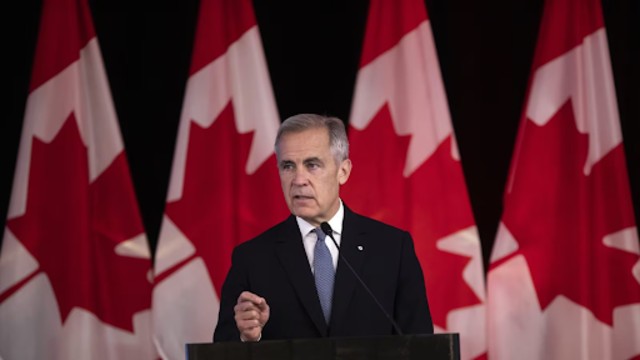
Prime Minister Mark Carney delivers opening remarks at the Liberal caucus in Edmonton on Wednesday Sept. 10, 2025.
Prime Minister Mark Carney has pledged that his government will finalize pharmacare agreements with all provinces and territories. His assurance ended months of uncertainty over whether the program would stall after only a handful of signed deals.
The announcement comes as Ottawa prepares for a challenging budget season, with the government under pressure to balance affordability with fiscal responsibility.
A Clear Commitment From Ottawa
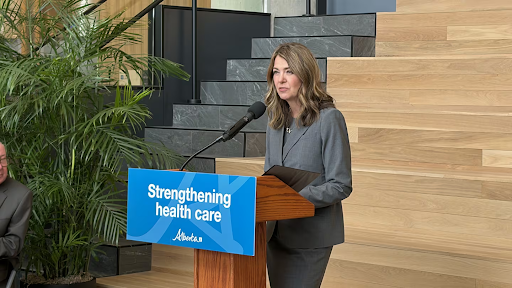
Carney addressed reporters in Edmonton on Thursday, confirming that pharmacare deals remain a priority.
“These are clear commitments, and we will keep them,” he said. The Prime Minister stressed that agreements will be completed “as quickly and as equitably as possible.”
The remarks followed speculation earlier this summer that the Liberals might only safeguard existing agreements rather than expand the program nationwide.
The First Phase of Pharmacare
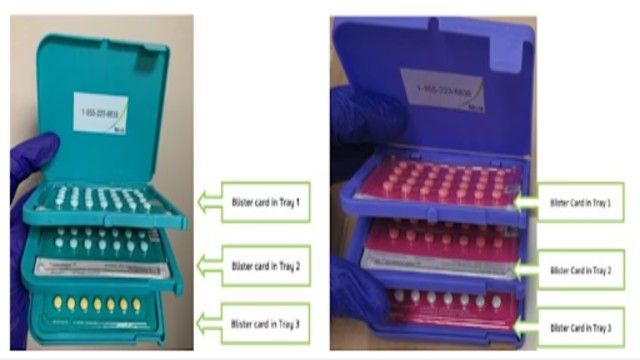
The national pharmacare initiative began last year with support from the NDP. Its first phase covers the cost of contraceptives and select diabetes medications.
The law passed in the fall requires the federal government to negotiate funding deals with provinces and territories. It also mandates a study on how to expand pharmacare into a universal program covering all prescribed medicines.
So far, four jurisdictions—Manitoba, British Columbia, Prince Edward Island, and Yukon—have signed on. Collectively, they account for over 60 percent of the $1.5 billion earmarked for the program in the most recent budget.
Concerns Over Patchwork Coverage
For months, health advocates and community groups raised alarms about the slow pace of negotiations. Critics warned that leaving provinces out of the program would create uneven access across the country.
This week, protesters gathered outside the Liberal caucus meeting in Edmonton, demanding full implementation. The Canadian Health Coalition called Carney’s renewed commitment “a very positive step forward.”
Advocates for reproductive and public health also welcomed the reassurance, stressing that fair access to medications should not depend on geography.
Balancing Social Programs and Spending
Carney acknowledged that the upcoming federal budget will require difficult choices. However, he insisted that social programs—including pharmacare, dental care, and child care agreements—will remain protected.
“One of the core reasons why we’re taking tough decisions is affordability and security for Canadians,” Carney said.
He emphasized the need to manage federal spending responsibly to ensure these programs endure.
What Comes Next
Carney declined to commit when asked, if the government plans to move quickly toward the full universal pharmacare program promised in the 2019 election.
“That is a different question,” he noted, signaling that expansion beyond the initial categories of medications may take more time.
Parliament resumes on Monday, with the federal budget expected in October. The expert committee tasked with exploring models for universal pharmacare will present its report to the health minister by October 10. That report is expected to be tabled in Parliament shortly after.
A Crucial Moment for Canadians
The national pharmacare program has long been framed as a milestone in Canada’s healthcare journey. For many households, the promise of affordable medicines could ease financial strain while strengthening health equity.
Carney’s latest pledge suggests the government is determined to deliver on that promise—though the scope and speed of expansion remain open questions.
For now, Canadians await both the federal budget and the expert committee’s findings, which will shape the future of pharmacare across the country.