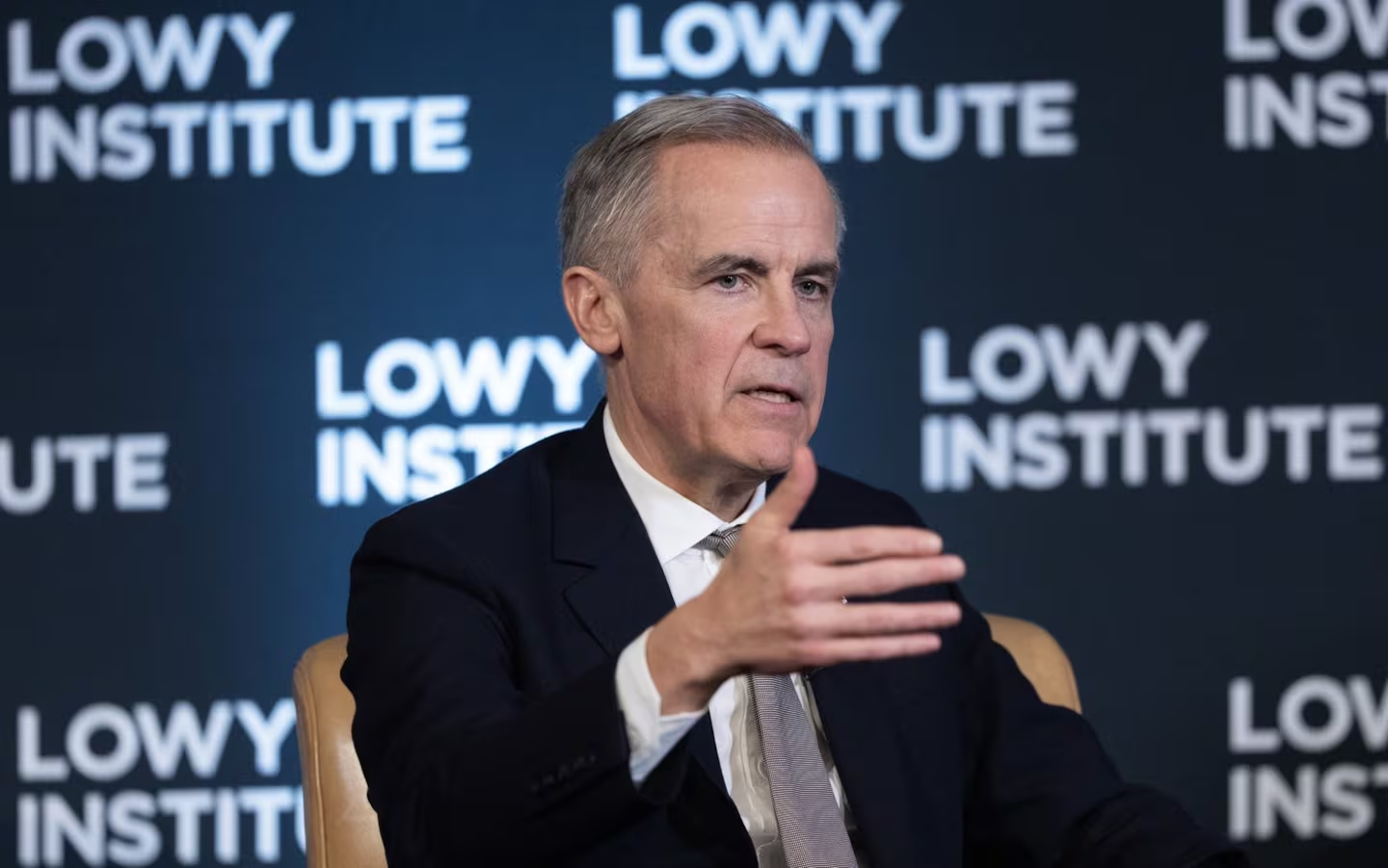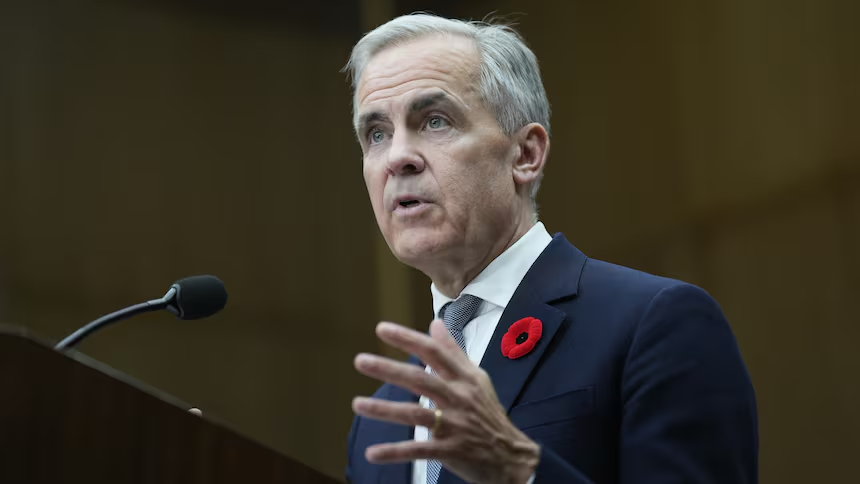
Prime Minister Mark Carney's immigration strategy is expected to be announced in Tuesday's federal budget. (The Canadian Press)
Canadians will soon learn how Prime Minister Mark Carney’s government plans to reshape the nation’s immigration strategy — one that aims to balance economic growth with public sentiment and national capacity.
In Tuesday’s federal budget, Ottawa is expected to unveil new immigration targets, following last year’s decision to scale back intake levels amid growing concerns over housing, healthcare, and job opportunities.
Shifting Course After Rapid Growth
Canada’s post-pandemic years saw a historic surge in immigration as the government sought to fill widespread labour shortages. But the rapid increase placed unprecedented strain on infrastructure and public services.
Last year, Ottawa reduced the permanent residency target from 500,000 to 395,000 and signalled further reductions ahead. The government also lowered the cap on international student permits by 10 per cent, citing the need to restore balance.
“We are getting immigration under control,” Carney told students at the University of Ottawa in October. “Our goal is to match immigration levels with our needs and our capacity — for newcomers and for everyone.”
A Changing Public Mood
For the first time since records began in 1996, a majority of Canadians now say the country is admitting too many immigrants. Experts believe this shift is tied to growing economic anxieties and visible pressures on housing and healthcare systems.
“Our housing, transport, and healthcare systems simply couldn’t keep up,” said Usha George, professor at Toronto Metropolitan University. “The numbers grew faster than our capacity to accommodate them.”
Unemployment has also climbed to 7.1 per cent as of September — and new arrivals are struggling the most. The unemployment rate among recent immigrants reached 11.1 per cent last year, nearly double that of Canadian-born workers.
Statistics Canada data shows many immigrants are working in jobs unrelated to their education or training, a sign of skills mismatch in the labour market.
Calls for Smarter, Targeted Immigration
Phil Triadafilopoulos, associate professor of political science at the University of Toronto, said Canada’s post-pandemic immigration system became too broad.
“After COVID, we started admitting people who previously wouldn’t have qualified,” he said. “That’s where things went off track.”
Experts are now urging a pivot toward “precision-based” immigration focused on Canada’s evolving economic priorities.
Anne Patterson from the Information and Communications Technology Council said immigration pathways should target key tech fields like semiconductors, artificial intelligence, cybersecurity, and digital infrastructure.
A Window of Opportunity for Canada
Business leaders see opportunity amid recent changes to U.S. visa policies. The Trump administration’s new $100,000 fee for H-1B visa applications could drive skilled professionals north.
“This is a real chance to attract global talent — and even bring Canadians home,” said Rob Goehring, CEO of AI startup Wisr.
However, Goehring noted that Canada’s complex immigration system and high living costs remain barriers. “We face long wait times and expensive housing that make it harder to compete,” he said.
George cautioned that the government must proceed carefully. “We can’t admit people just because they’re turned away from the U.S.,” she warned. “Immigration policy should reflect Canada’s labour needs, not short-term opportunities.”
As Carney prepares to reveal his government’s revised plan, the challenge lies in finding equilibrium — between compassion and capacity, growth and sustainability, and between welcoming newcomers and maintaining public trust.