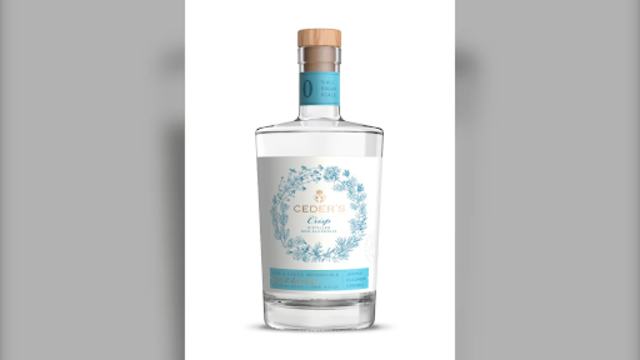
Ceder's non-alcoholic drinks have been taken off shelves in Canada after mould was found in some bottles. LCBO
A well-known non-alcoholic drink brand is being pulled from store shelves across Canada after the discovery of mould inside some bottles. Health officials are warning customers not to consume it, even though the mould found is not considered dangerous.
What’s Being Recalled
The Canadian Food Inspection Agency (CFIA) announced that Ceder’s Distilled Non-Alcoholic Spirits is under a national recall. The recall affects all four of its flavours: Classic, Crisp, Wild, and Rose. Each is sold in 500 ml bottles.
These products are popular for being alcohol-free alternatives to spirits and are available in several retail outlets, including liquor stores.
Why the Recall Happened
The CFIA found mould growth in certain bottles. While the agency says the mould is not harmful to health, it still raises concerns about spoilage and quality. Officials stress this is not a safety issue, but they still want to prevent customers from drinking spoiled products.
The presence of mould suggests problems during bottling or storage. Although no one has reported getting sick, health and food officials believe it’s best to remove all affected products to prevent any possible risk or discomfort.
What Should You Do
The CFIA advises that anyone who has these bottles should not open or drink them. Also, stores have been told to stop selling, serving, or distributing these products immediately. If you already bought one, you should either throw it out or return it to the store where you purchased it.
Retailers and restaurants must also check their stock and ensure they remove any affected products from shelves or menus. Businesses must follow the recall instructions closely to avoid serving spoiled drinks to customers.
What Officials Say
A CFIA spokesperson confirmed that no health issues have been reported so far. However, they are continuing to monitor the situation. They also reminded the public that even non-harmful mould should not be consumed, especially by people with weakened immune systems.
Quality problems like these can damage trust in a product. That’s why food safety agencies take recalls seriously, even if the product isn’t a danger to health.
More updates may come if the recall expands or if new health risks are found. For now, people are encouraged to stay informed and check their bottles.