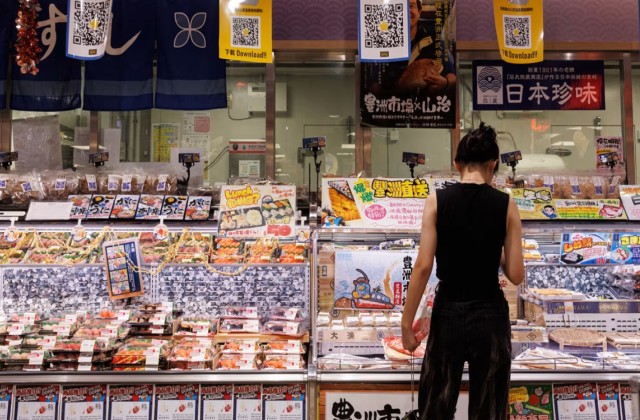
Japanese imports of seafood are seen in a supermarket in Hong Kong in July 2023.
After a nearly two-year suspension, China has lifted its blanket ban on Japanese seafood imports — but only partially. The decision, announced Sunday, follows months of monitoring related to Japan’s release of treated wastewater from the Fukushima nuclear power plant.
Partial Ban on Japanese Seafood Still in Effect
While the overall import ban has been eased, seafood from 10 Japanese prefectures remains restricted. These include Fukushima, Gunma, Tochigi, Ibaraki, Miyagi, Niigata, Nagano, Saitama, Tokyo, and Chiba. China Customs confirmed these regions will continue to face a strict prohibition on seafood exports to the country.
The revised policy means seafood from other Japanese regions can now enter China, but under tight scrutiny. Importers must present several key documents, including:
A health certificate
A certificate proving the product is free from radioactive substances
A production area certificate issued by Japanese authorities
These certificates are required to clear customs and ensure food safety compliance.
Safety Testing Led to Reversal
Chinese authorities explained that the policy change was based on scientific findings. After months of sampling and monitoring, both through international collaborations and independent checks, no abnormalities were detected in the treated wastewater released from the Fukushima plant. This conclusion prompted the decision to restart imports from specific areas.
The wastewater issue has been a point of tension between the two nations. Japan started releasing treated water from the crippled Fukushima plant in August 2023. The move triggered a sharp backlash from China, resulting in a total ban on Japanese seafood imports. That decision hit Japanese seafood exporters hard, as China was one of their largest markets.
China Promises Strict Supervision
Although some restrictions have been relaxed, Chinese officials are not taking food safety lightly. The customs notice made it clear that China will keep a close eye on seafood imports from Japan. Authorities warned that any violations of Chinese food safety laws or regulations will result in swift action.
“Strict supervision and continuous monitoring will remain in place,” the statement read, highlighting China’s cautious approach despite partial normalization.
Japanese Seafood Industry Hopes for Recovery
The latest development has given Japan’s seafood sector a reason to be cautiously optimistic. Exporters from the approved regions may now resume trade with one of Asia’s biggest markets. However, industry insiders understand that winning back consumer trust will take time.
The required certifications may also pose logistical challenges, especially for smaller producers. But many believe that China's conditional green light could be the first step toward rebuilding trade ties in full.
Regional Cooperation Matters
This move by China reflects a shift towards regional cooperation based on science-led decision-making. It also underlines how international monitoring mechanisms and transparency can play a crucial role in resolving diplomatic tensions tied to environmental and food safety issues.
As the world watches how this unfolds, Japan’s seafood exporters are gearing up to meet China’s demands, hoping to turn the tide on a challenging chapter in their trade history.