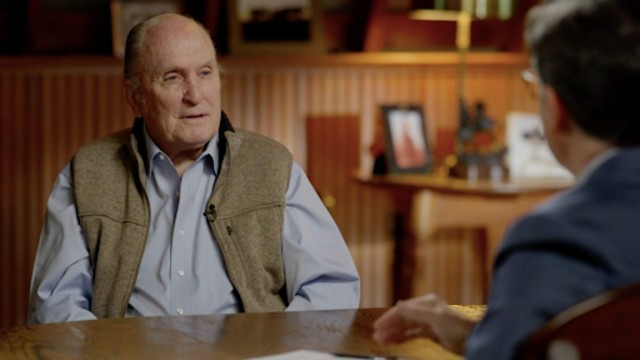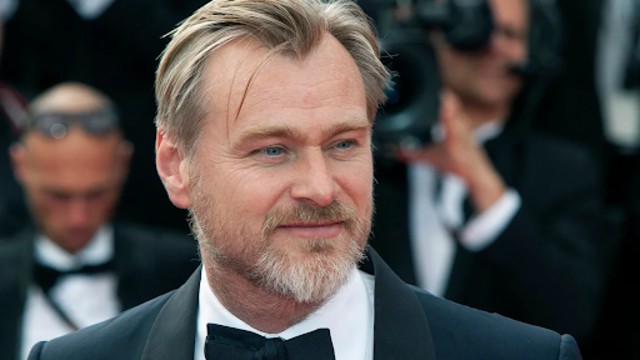
Christopher Nolan. Getty Images
Christopher Nolan, one of Hollywood’s most visionary filmmakers, is known for redefining modern cinema through bold storytelling and intellectual depth. Yet, behind his string of blockbusters lies a lesser-known story — that of two ambitious projects he never completed: The Prisoner and The Keys to the Street.
The Prisoner: A Vision That Never Escaped Its Maze
In the mid-2000s, Nolan was set to direct The Prisoner, a film adaptation of the cult 1960s British television series. The original show, famous for its psychological twists and philosophical undertones, seemed a perfect match for Nolan’s cerebral style.
Fans were eager to see how the filmmaker behind Memento and Inception would reimagine the mysterious world of “Number Six” — a man trapped in a surreal village where identity and freedom blur. But by the end of the decade, the project quietly fell apart.
Producer Barry Mendel confirmed in 2009 that Nolan had stepped away, officially ending hopes for the adaptation. Although Nolan had collaborated on an early draft with writers David and Janet Peoples, the film never progressed beyond the development stage.
The reason, according to Nolan, was simple but revealing. He admitted he couldn’t “crack it” — meaning he couldn’t find a way to translate the show’s complex themes of control, isolation, and rebellion into a cinematic structure that worked.
The challenge was not unfamiliar territory for Nolan. Many of The Prisoner’s themes — identity, perception, and freedom — resonate with his existing body of work. But this similarity may have been part of the problem. Bringing those layered ideas to life without repeating himself proved too intricate, and the project was eventually abandoned.
The Keys to the Street: A Project Lost to Batman’s Shadow
Before Nolan became synonymous with The Dark Knight trilogy, he had another adaptation in mind — The Keys to the Street, based on the novel by Ruth Rendell.
In the late 1990s, long before Batman Begins, Nolan was drawn to Rendell’s story, which explores love, loss, and psychological survival in the streets of London. He admired its tone and moral complexity, calling it a project that shared “thematic parallels” with his own storytelling instincts.
However, as his career accelerated, Nolan realized the film might not align with his future goals. When the opportunity to reboot Batman arrived, The Keys to the Street quietly slipped away.
It’s a decision that, in hindsight, shaped his legacy. Batman Begins (2005) reignited the superhero genre and paved the way for the critically acclaimed The Dark Knight and The Dark Knight Rises, cementing Nolan’s place among the greats.
Creative Risks and Unfinished Chapters
For Nolan, the unfinished projects don’t symbolize failure — they reflect the creative risks that come with ambition. Even the most accomplished directors face stories that resist adaptation, no matter how compelling the vision.
Every filmmaker encounters ideas too elusive to materialize, and Nolan’s case is no exception. Both The Prisoner and The Keys to the Street highlight how delicate the balance is between inspiration and execution in cinema.
Despite these unrealized dreams, Nolan’s record remains remarkable. From Interstellar and Dunkirk to Oppenheimer, his storytelling continues to challenge audiences and expand the boundaries of film.
Unfinished, Yet Unforgotten
While fans may forever wonder how Nolan’s The Prisoner or The Keys to the Street might have looked, these “what-ifs” add another layer to his mythos — the perfectionist creator who would rather leave a story untold than compromise its meaning.
In a world of endless reboots and rushed productions, that restraint may be Nolan’s most underrated strength. Even his unfinished works remind us why his name stands for integrity, imagination, and an unrelenting pursuit of cinematic truth.