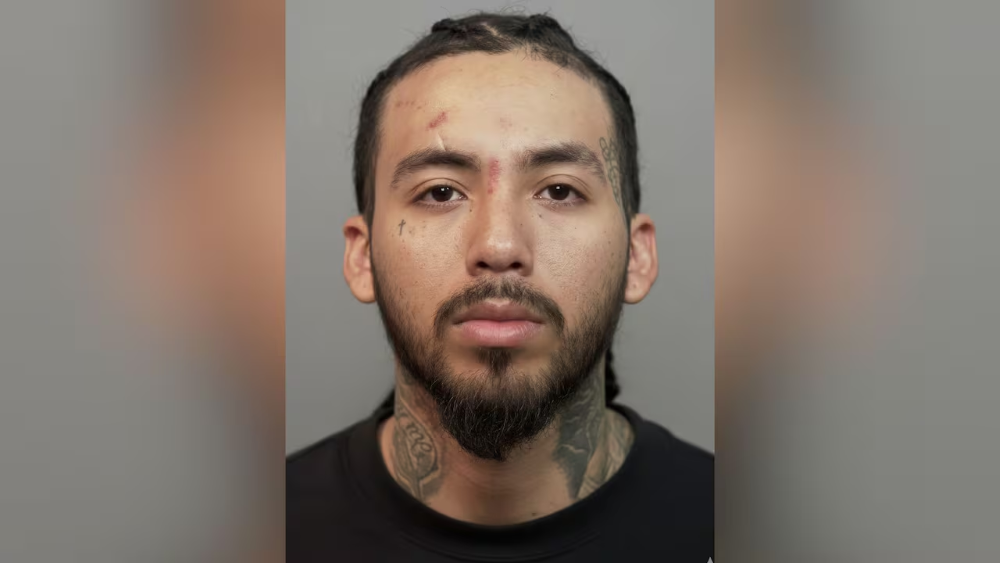
This file photo shows former CIA officer Aldrich Ames leaving a federal courthouse in Alexandria, Virginia, following court proceedings. AP Photo
Aldrich Ames, a former intelligence officer who sold U.S. secrets to Moscow during the Cold War, has died in a federal prison in Maryland. He was 84. Officials confirmed that he died on Monday while serving a life sentence.
Ames carried out one of the most damaging betrayals in modern intelligence history. His actions exposed secret agents working for the United States and its allies and dealt a lasting blow to Western intelligence operations.
Years of spying for money
From 1985 until his arrest in 1994, Ames passed classified information to the Soviet Union and later to Russia. He admitted receiving about $2.5 million in exchange for secrets. Prosecutors said the money helped him deal with serious personal debt.
During that period, Ames revealed the identities of 10 Russian officials and one Eastern European who secretly worked for the United States or Great Britain. Many of those exposed later faced execution, according to intelligence officials.
Damage to intelligence operations
Ames’s betrayal severely weakened the work of the Central Intelligence Agency. Investigators said his actions robbed the United States of valuable intelligence for years and set back efforts to understand Soviet operations during a tense period in world affairs.
Officials later described his case as a major failure in internal security. The damage forced intelligence agencies to review how they handled sensitive information and monitored their own staff.
Guilty plea and life sentence
Ames avoided a public trial by pleading guilty to charges of espionage and tax evasion. A judge sentenced him to life in prison without the possibility of parole. His wife also faced charges but later reached a separate agreement with authorities.
At sentencing, Ames told the court he felt “profound shame and guilt” for what he called “this betrayal of trust, done for the basest motives.” He said he acted out of financial desperation.
Downplaying the harm
Despite his admission, Ames tried to minimize the damage. He told the court he did not believe his actions had “noticeably damaged” the United States or “noticeably aided” Moscow. He dismissed Cold War intelligence battles as having little effect on real national security.
“These spy wars are a sideshow which have had no real impact on our significant security interests over the years,” he said in a calm tone.
Final reflections behind bars
In a later interview given from prison shortly before sentencing, Ames again blamed money problems for his decision to spy. He described his motive as “financial troubles, immediate and continuing,” offering little further explanation.
Ames spent the remainder of his life behind bars, becoming a lasting symbol of betrayal within the intelligence community. His death closes a dark chapter in U.S. espionage history but leaves a legacy of lessons about trust, oversight, and the cost of greed.