Claire’s CEO shared that the company is shifting its strategy due to rising competition, changes in how people are spending money, and fewer shoppers visiting physical stores.
Claire’s Stores Canada Corp. is preparing to shut down its Canadian operations after filing for creditor protection this week. Court documents filed in Ontario on Wednesday reveal that the popular accessory and jewelry brand is likely headed for liquidation as it faces mounting financial pressures, and landlords are locking out several store locations.
A Struggle for Breathing Room
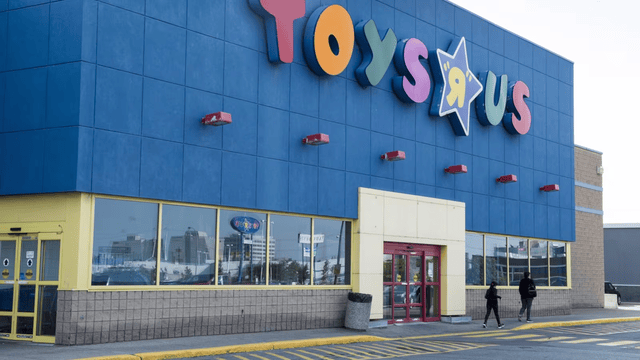
The company, which runs around 120 standalone stores and sells through 600 partner outlets like Walmart and Toys “R” Us, has approximately 700 employees across Canada. In its filing, Claire’s said it needs protection from creditors to buy time while deciding how to move forward—likely by closing stores and winding down operations.
“This was not an easy decision,” said Claire’s CEO Chris Cramer, in a statement. “But it was necessary. The retail landscape has changed, and we are facing fierce competition, shifting shopping habits, and heavy debt.”
Linked to U.S. Parent Company Woes
This move comes just after Claire’s U.S. parent company, Claire’s Holdings LLC, filed for bankruptcy in the U.S.—a second time following a 2018 filing. The Canadian branch, though legally separate, heavily depends on the U.S. arm for everything from product supply to back-office services like legal and HR.
Canadian sales only account for about six percent of Claire’s global revenue, making it a smaller piece of the company’s overall operations.
Retail Shift Proved Too Much
In a sworn court statement, Suzanne Stoddard, Claire’s senior VP and chief accounting officer, admitted the company couldn’t secure enough capital to keep the Canadian business running profitably.
She blamed the retail shift to online shopping, a change that accelerated during the pandemic, for hurting in-store sales. “During COVID, mall foot traffic nearly disappeared,” she said, adding that while demand rebounded briefly in 2021, it wasn’t enough to save the business.
Online Sales Couldn't Save It
Although Claire’s attempted to adapt—by opening locations inside Walmart, exploring strip mall spaces, and expanding online—it failed to connect with its young customer base online.
Most of Claire’s shoppers are under 18, and many lack their own credit cards or access to online payment methods. This made it difficult for them to buy online, especially since shipping charges made low-cost items less appealing in small orders.
“Kids want to touch and feel the products—they enjoy the in-store experience,” Stoddard noted.
Wrong Moves, Rising Rivals
Claire’s also made risky business choices. It raised prices to improve profit margins and shifted focus away from trendy, fast-moving items—moves that didn’t sit well with young shoppers.
Meanwhile, competition from fast-fashion giants like Shein, Temu, and jewelry retailer Lovisa intensified, making it even harder for Claire’s to hold onto its market share.
Rent Woes and Lockouts
Unable to cover rent, Claire’s has been issued 26 lease termination notices and locked out of 16 stores since July 1. The company described this as a major blow to its already poor cash flow.
From Wigs to Jewelry to Uncertain Future
Claire’s journey began in 1961, when it started as a wig company called Fashion Tress Industries. In 1973, it acquired Claire’s Boutiques, which catered to young women and teens. Over the decades, it evolved into a go-to destination for affordable accessories, ear piercing, and cosmetics for young customers.
In June 2025, the company began exploring the sale of its assets across North America and abroad. While several offers were received, none targeted the Canadian business specifically.