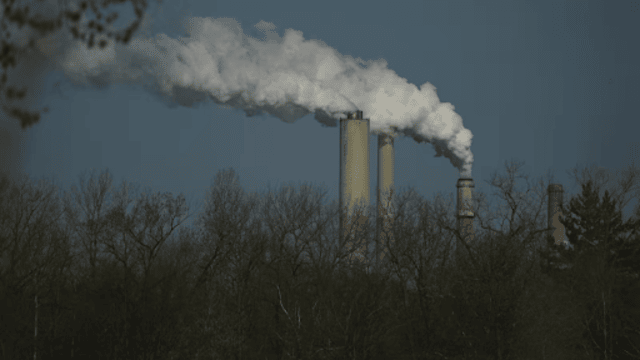
The Gibson Power Plant is seen running on April 10, 2025, in Princeton, Indiana. AP Photo
Scientists warn that the world is on track to reach a critical climate threshold by early 2028. They say that greenhouse gases like carbon dioxide, mainly from burning oil, coal, and gas, will increase enough to make a 1.5°C rise in Earth’s temperature almost certain. This warming level is seen as a limit to avoid the worst effects of climate change.
Faster Than Expected
The new report shows the planet is heating faster than before. Experts say the heat-trapping gases are building up quicker than last year’s estimate. “Things aren’t just getting worse. They’re getting worse faster,” said Zeke Hausfather, a climate expert. The 1.5°C limit is a key target agreed upon internationally to protect the planet from extreme heat, storms, and rising seas.
Why 1.5°C Matters
Crossing this 1.5°C mark means more dangerous heatwaves, droughts, and bigger storms. It threatens small island nations with flooding and will cause sea levels to rise. The temperature rise also hits poor and vulnerable communities the hardest.
Scientists say Earth has already warmed about 1.24°C since before the industrial age. The world emits about 46 billion tons of carbon dioxide every year. At this pace, the carbon limit will be reached around February 2028.
Earth’s Energy Imbalance Growing
The study also shows Earth is absorbing more heat than it can send back into space. This energy imbalance is growing faster than before. “It is very clearly accelerating. It’s worrisome,” said Hausfather.
One cause is burning fossil fuels. Another is cleaner air, with fewer particles like soot that used to cool the planet slightly. Changes in clouds also play a role. Together, these factors mean Earth traps more heat than a decade ago.
Past and Future Warming
The planet briefly crossed the 1.5°C mark last year, but long-term measurements matter more. Scientists warn that even if some years cool down a bit, the long-term warming will likely cross 1.5°C soon because of how carbon stays in the atmosphere.
Joeri Rogelj, a climate scientist, said the 1.5°C goal is a political boundary set to avoid extreme climate risks. “Many small island nations could disappear because of sea-level rise,” he said.
Even if the world passes 1.5°C, experts agree efforts to reduce emissions must continue to limit harm.
Different Views on the Limit
Jonathan Overpeck, a climate expert, said crossing this line means more extreme weather will become normal. He warned about heatwaves, droughts, heavy rain, and stronger storms increasing around the world.
Another scientist, Andrew Dessler, said the 1.5°C target was always hopeful and not easy to meet. He added, “Missing it does not mean the end of the world,” but agreed that every small increase in temperature makes things worse.
What This Means
The study sends a strong message: humans need to cut greenhouse gas emissions faster to avoid more harm. The world faces serious risks if it continues on this path. Scientists hope this report will push leaders and communities to act now.