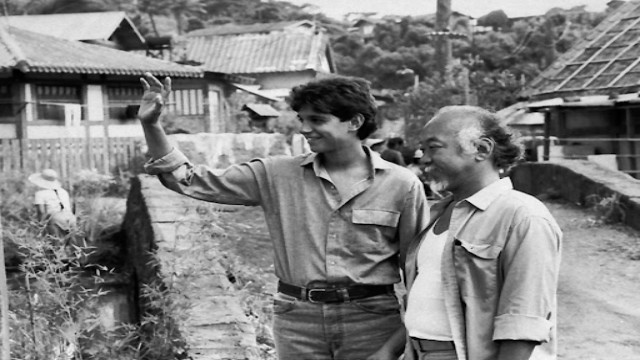
Actor Ralph Macchio, left, waves as actor Pat Morita looks on during the filming of "The Karate Kid II" on in Kahaluu, Hawaii, in this 1985 file photo. (AP Photo)
The Library of Congress has added 25 films to the U.S. National Film Registry, celebrating movies that shaped culture, history, and cinematic art. This year’s selections span more than a century of filmmaking, from silent-era shorts to modern classics, with fan favorites like Clueless, The Karate Kid, and Inception earning preservation status.
National Recognition for Cultural Impact
Since 1988, the National Film Registry has inducted 25 films annually to ensure long-term preservation. The films must be at least ten years old and deemed culturally, historically, or aesthetically significant. The 2025 list reflects a broad sweep of storytelling styles, genres, and eras, reinforcing the evolving identity of American cinema.
Among the most celebrated additions is Amy Heckerling’s 1995 teen comedy Clueless, which defined a generation with its fashion-forward visuals and iconic catchphrases. Christopher Nolan’s Inception also joined the registry, recognized for its layered narrative structure and groundbreaking visual effects.
Blockbusters, Classics, and Genre Milestones
Several widely beloved films made the cut, including The Karate Kid (1984), Glory (1989), Philadelphia (1993), Before Sunrise (1995), and The Incredibles (2004). Each represents a milestone in its genre, whether sports drama, historical storytelling, romantic cinema, or animation.
Older Hollywood titles such as White Christmas (1954) and High Society (1956) were also selected. High Society is notable as Grace Kelly’s final film before she became Princess of Monaco, while White Christmas remains a defining musical of its era.
Documentaries and Underrepresented Stories
The registry also spotlighted documentaries and historically significant films, including Ken Burns’ Brooklyn Bridge (1981), which chronicled the iconic structure’s construction and marked an early milestone in Burns’ career. Other documentaries such as The Wrecking Crew (2008) and The Loving Story (2011) highlight influential musicians and landmark civil rights history.
Silent-era and early cinema selections include The Tramp and the Dog (1896), The Maid of McMillan (1916), and Ten Nights in a Barroom (1926). These films offer rare insights into the origins of filmmaking, student productions, and early representations of Black actors on screen.
Diverse Voices and Modern Cinema
More recent additions include Frida (2002), The Hours (2002), and Wes Anderson’s The Grand Budapest Hotel (2014), praised for its meticulous visual design and historical research. The registry’s list also features The Truman Show (1998) and The Thing (1982), both influential in shaping popular culture and genre storytelling.
The Library of Congress noted that the selected films reflect a wide range of themes, from social justice and identity to romance, comedy, and speculative fiction. The selections aim to preserve works that reflect American experiences and global cinematic innovation.
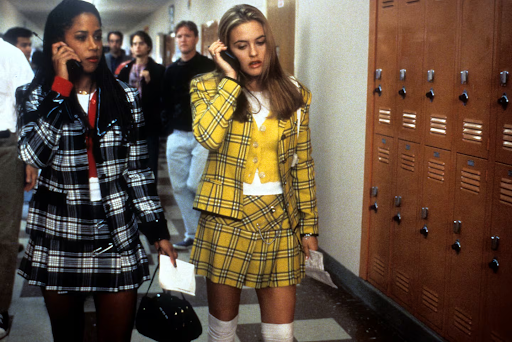
Stacey Dash and Alicia Silverstone walking and talking on their mobile phones in a scene from the film 'Clueless', 1995. (Paramount Pictures/Getty Images)
Celebration and Public Showcase
Turner Classic Movies will host a special broadcast on March 19, showcasing several of this year’s inductees. The annual announcement often renews interest in classic cinema and introduces older films to new audiences through preservation and public programming.
National Film Registry Inductees 2025
The 2025 list includes titles spanning 1896 to 2014, such as White Christmas, The Big Chill, The Truman Show, Inception, and The Grand Budapest Hotel, among others. The breadth of the selections highlights the registry’s mission to safeguard cinematic heritage across generations.