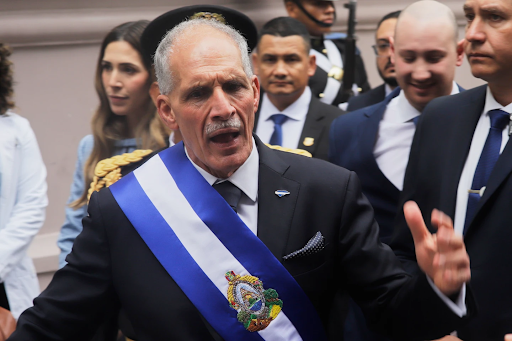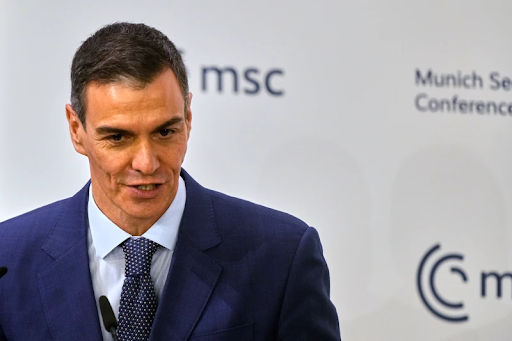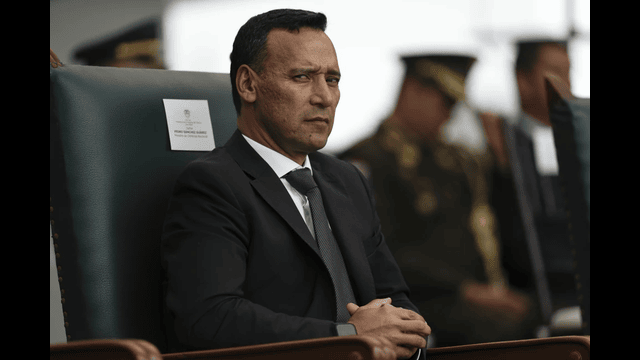
Colombia’s Defense Minister Pedro Sanchez attends a military ceremony in Bogota, Colombia, June 6, 2025.
Colombia is facing a new security crisis. Thirty-four soldiers were kidnapped in Guaviare province, allegedly under rebel influence. The soldiers had been conducting operations against armed groups when villagers, reportedly acting on rebel orders, took them captive.
Government Confirms Soldiers Kidnapped
Defense Minister Pedro Sánchez confirmed the abduction on Tuesday. He stated that the troops were detained in the El Retorno area, where clashes with FARC dissidents had recently occurred. Sánchez condemned the action as illegal and a direct challenge to Colombia’s security efforts.
“The armed forces will deploy all their capabilities to secure the release of our soldiers,” Sánchez said. He also announced a $5,000 reward for information on the rebel commanders behind the incident.
Clash With Rebels Sparked the Tensions
The kidnapping followed a violent confrontation on Sunday. During the gunfight, ten members of a FARC dissident group were killed. Authorities said this battle triggered unrest among villagers connected to the rebel group.
The soldiers were then surrounded and taken hostage by locals demanding the return of a slain rebel’s body. The body had been moved to a morgue in the provincial capital, intensifying tensions in the region.
Villagers Acting Under Rebel Pressure
Colombia’s defense officials stressed that villagers did not act independently. They were allegedly influenced, or even ordered, by FARC holdout leaders. “This is not spontaneous,” Sánchez explained. “These actions are clearly being orchestrated by rebel groups who continue to destabilize the region.”
The situation highlights a recurring challenge for Colombia’s military. In remote areas, villagers often find themselves under rebel pressure to oppose government troops. At times, communities have surrounded soldiers, preventing them from operating freely until negotiations secure their release.
A Fragile Peace Under Threat
Colombia’s broader security landscape remains fragile despite the 2016 peace agreement with the FARC. While the main rebel group disbanded, several dissident factions refused to demobilize. These groups continue to profit from drug trafficking, extortion, and illegal mining.
Guaviare province is one such hotspot. Armed groups and criminal networks are locked in a struggle for control of strategic territories once held by the FARC. Government efforts to extend security have faced resistance, leaving rural communities vulnerable to rebel influence.
Government’s Tough Stand
The Defense Ministry insists that it will not tolerate such acts of defiance. Sánchez underscored that holding soldiers captive undermines national security and strengthens rebel control. “Our operations will continue,” he said, reaffirming that Colombia’s military presence in Guaviare will not retreat.
Authorities are also engaging with community leaders to negotiate a safe release for the detained soldiers. However, officials warn that yielding to rebel demands—such as returning the slain fighter’s body—could embolden future kidnappings.
A Pattern of Captivity in Rural Areas
This is not the first time soldiers have been detained in Colombia’s remote zones. Similar cases have been reported over the years, where armed villagers—often coerced by rebels—temporarily hold troops hostage. The government routinely blames rebel leaders for manipulating civilians and exploiting their vulnerabilities.
Such tactics are designed to weaken military morale while reinforcing rebel dominance in rural communities. For the Colombian state, each such incident is not only a security challenge but also a reminder of how fragile peace remains outside major cities.
What Lies Ahead
The kidnapping of 34 soldiers underscores Colombia’s ongoing struggle to stabilize post-conflict regions. While the government insists on a firm military response, the incident raises pressing questions about civilian safety and rebel influence in remote provinces.
For now, the soldiers’ release remains the top priority. Yet, the larger battle—restoring lasting peace and security in rural Colombia—appears far from over.