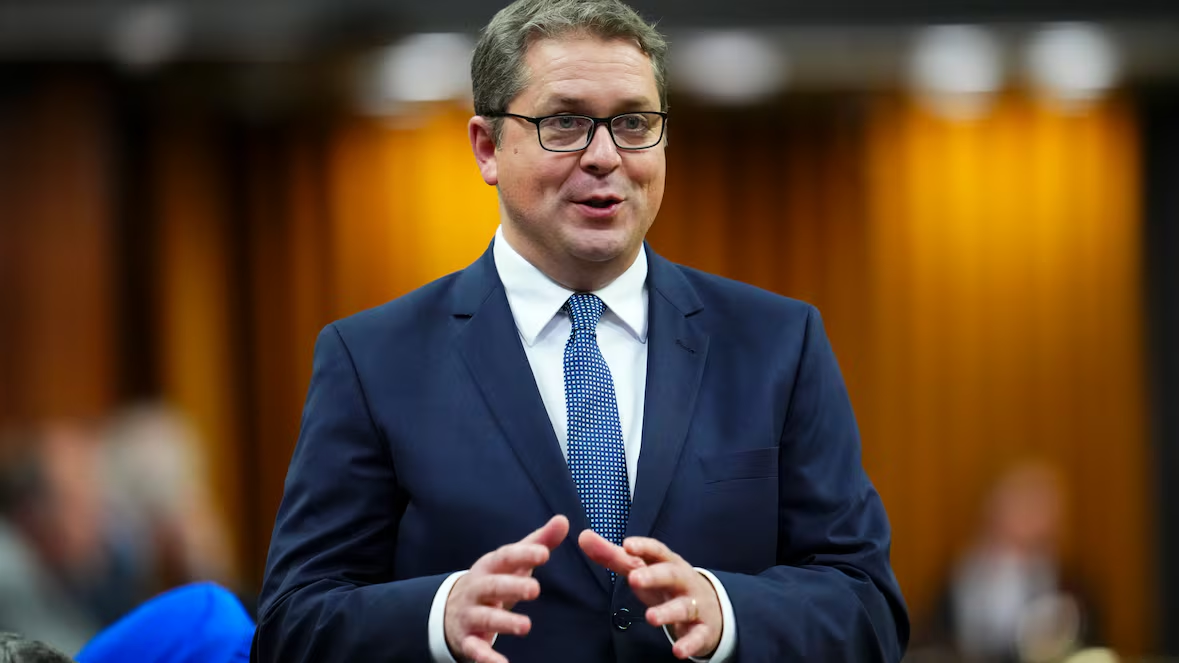
Conservative MP Andrew Scheer said on Friday that Prime Minister Mark Carney’s government is trying to gain a majority in Parliament through what he called “undemocratic methods.” The Canadian Press
Conservative House Leader Andrew Scheer faced reporters Friday morning, hoping to redirect attention away from internal party problems and toward the Liberal government’s budget. Instead, the questions centred on the recent resignations and defections that have shaken the Conservative caucus.
This week, Edmonton Riverbend MP Matt Jeneroux announced he would leave federal politics, just six months after being re-elected. His resignation followed the high-profile floor-crossing of former Conservative MP Chris d’Entremont, who joined the Liberals earlier in the week.
When asked about the turmoil, Scheer dismissed talk of internal problems. “If you stop 100 people on the street, they’re not interested in palace intrigue,” he said before cutting his appearance short after just four minutes.
Accusations Fly Between Parties
Scheer accused the Liberals of using “pressure tactics” to push Jeneroux out early. “The only rumours I’ve heard of intimidation are from Liberals badgering Conservatives in elevators and calling them at home,” he said.
He went on to claim that Prime Minister Mark Carney is using “undemocratic means” to build a majority in Parliament through “backroom deals.” According to a Liberal source, Jeneroux met privately with Carney earlier this week, though Scheer refused to confirm it. “I don’t take unnamed Liberal sources at their word,” he said.
Jeneroux, however, denied that any pressure influenced his decision. “No coercion played a role,” he said in a written statement.
Conservatives Struggle to Stay on Message
The timing of these departures couldn’t be worse for the Official Opposition, coming during a key week of budget debate. The federal spending plan outlines a $78-billion deficit, with billions in new programs and nearly $60 billion in savings and cuts over five years.
Budget week usually gives opposition parties a chance to dominate the headlines. Instead, the Conservatives find themselves explaining internal rifts and facing questions about Leader Pierre Poilievre’s control of his caucus.
Earlier this week, the Conservatives tried to bring down Carney’s budget with an amendment vote, but several MPs abstained, weakening their stand.
Former MP d’Entremont, now sitting with the Liberals, said he left because he grew disillusioned with Poilievre’s leadership. “Some of my former caucus mates are in the same boat,” he said.
Debate Over Floor Crossing
The issue of MPs switching parties isn’t new. Canada’s laws don’t prevent floor crossing, though it often stirs public anger. Past cases — including those involving David Emerson in 2006 and Leona Alleslev in 2018 — sparked similar debates about loyalty and democracy.
Even Scheer, while Conservative leader in 2018, welcomed Alleslev when she defected from the Liberals, calling it proof of weak leadership by then–Prime Minister Justin Trudeau.
This time, the situation has flipped. Scheer now accuses the Liberals of using unethical tactics to win more seats. “Carney didn’t get a majority mandate,” he said. “He’s trying to piece one together through undemocratic means.”
Liberals Unfazed Amid Conservative Tension
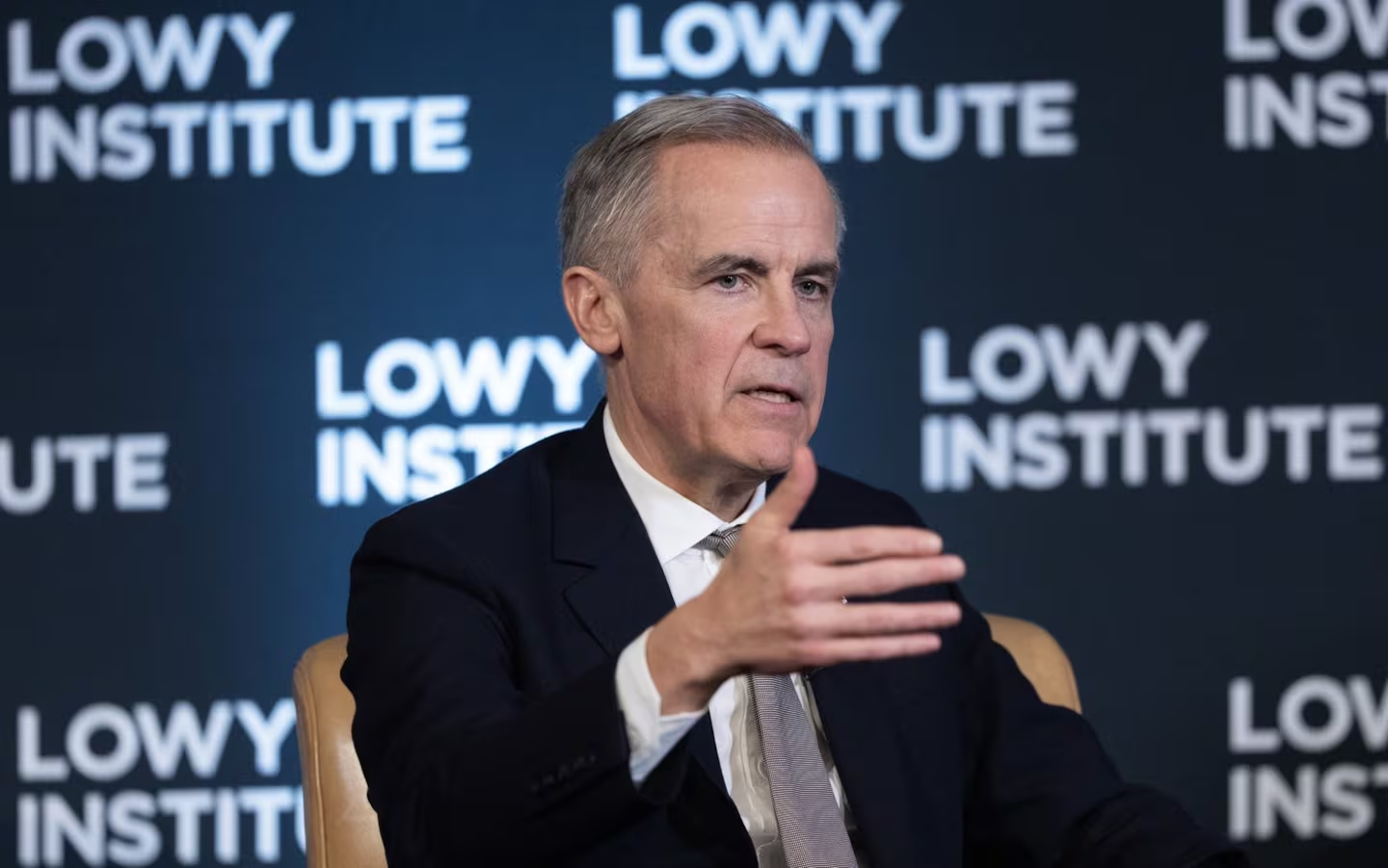
While Conservatives deal with fallout, Carney’s team appears focused on selling the budget to Canadians. During a stop at the Canadian Club in Toronto, Carney joked with attendees. When asked how many seats he needed for a majority, he replied, “Just a couple. So call your local MP if they’re not a Liberal.”
As both parties trade accusations, the spotlight remains on the Conservatives’ internal divisions, raising new questions about party unity and Poilievre’s leadership ahead of crucial votes in Parliament.