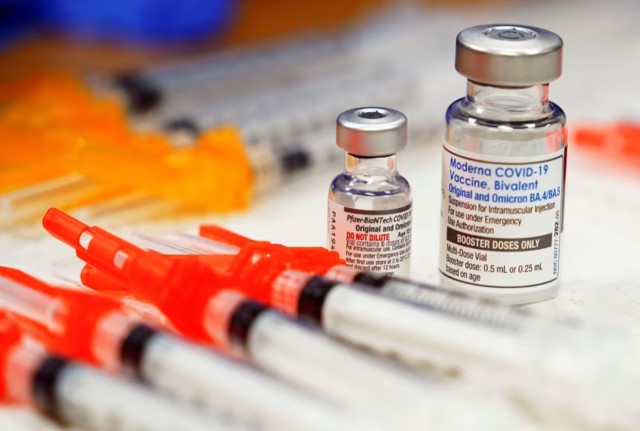
Most adults in the US do not plan to get a Covid-19 shot this fall, a KFF poll found.
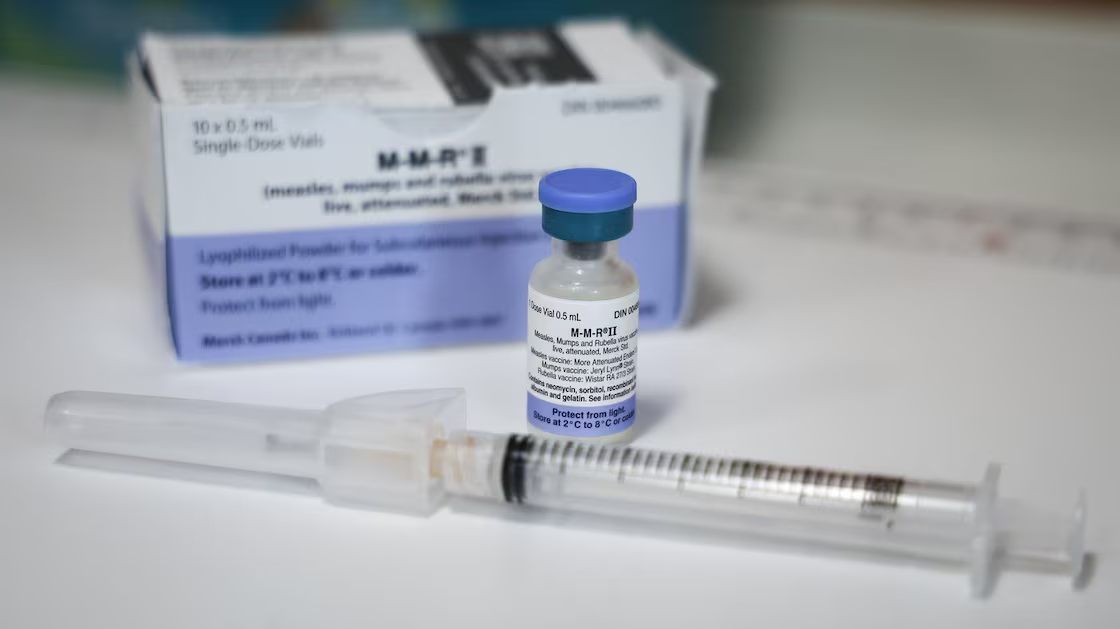
As Covid-19 activity picks up again this summer in the US, confusion around vaccine access and policy updates is growing. The federal government has made several changes to its Covid-19 vaccine guidance, leaving many Americans uncertain about what to expect this fall.
Summer Covid-19 Wave: Slower but Present
Every summer since the pandemic began, the US has seen a spike in Covid-19 cases. This year, the wave is less intense and arrived later than usual. Data from WastewaterSCAN reveals a gradual rise in Covid-19 levels from June to July. Some areas are showing higher levels, but overall, it’s still lower than this time last year.
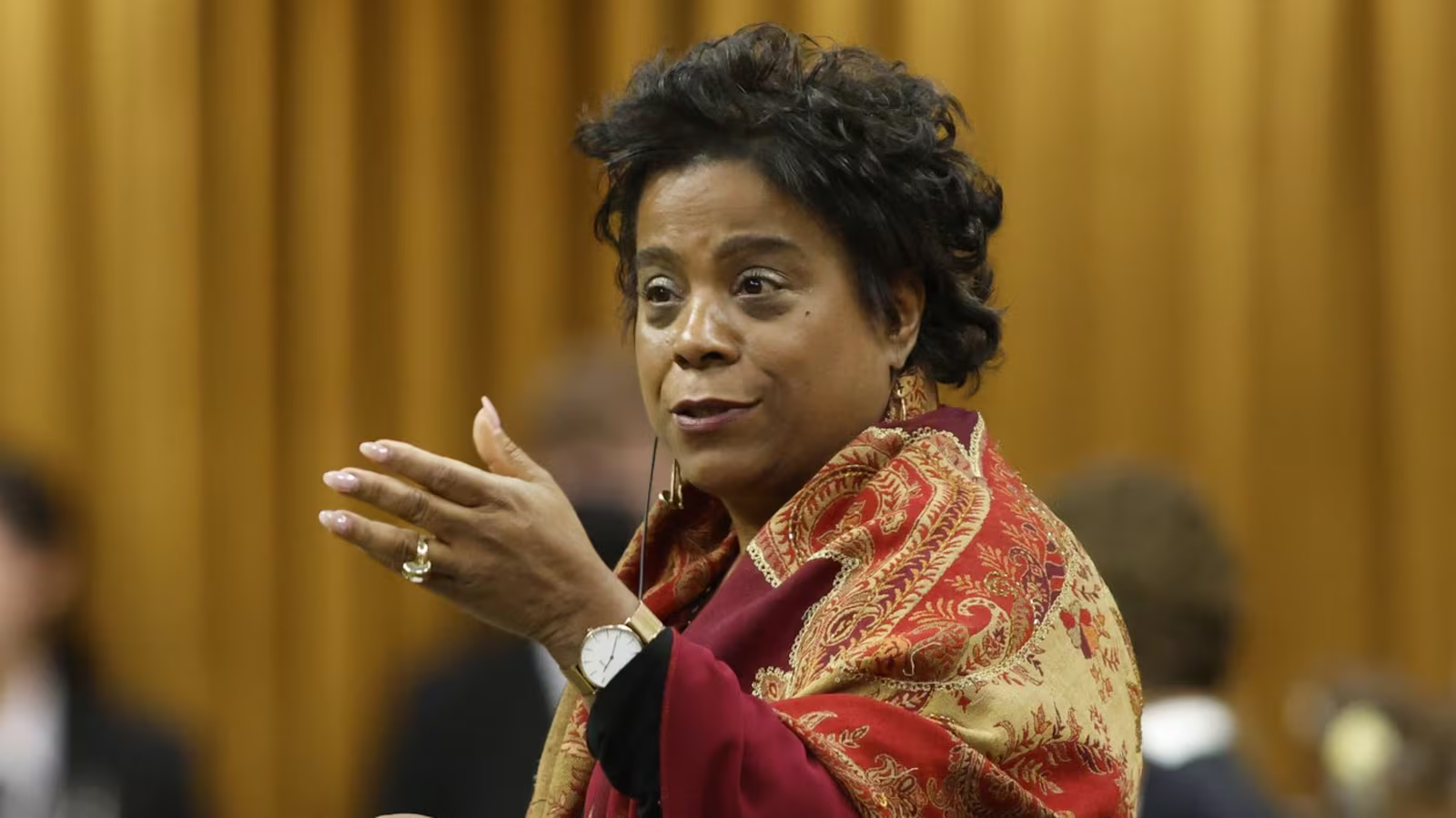
Epidemiologist Caitlin Rivers commented on this surprising trend, writing, “I expected a bigger summer wave due to limited winter immunity.” She believes cases will likely continue to rise into early September, though the exact trajectory remains uncertain.
Unclear Vaccine Timing Worries Experts
One major concern is whether updated Covid-19 vaccines will be available in time to protect vulnerable groups.
Dr. Jennifer Nuzzo from Brown University’s Pandemic Center said, “The biggest issue is the uncertainty around vaccine availability and eligibility.”
While a new vaccine rollout is expected, no clear timeline has been given. Many fear the delay could leave high-risk individuals exposed during a possible late-summer surge.
KFF Survey Highlights Public Concern
A new KFF survey conducted in July among nearly 1,300 adults reveals growing skepticism and confusion.
Most adults don’t plan to get the updated Covid-19 shot this fall. Among those who do, nearly two-thirds are unsure whether the vaccine will be available to them. Over 60% of insured respondents also worry their health plans might not cover the cost.
Robert F. Kennedy Jr.’s Policy Shifts Raise Eyebrows
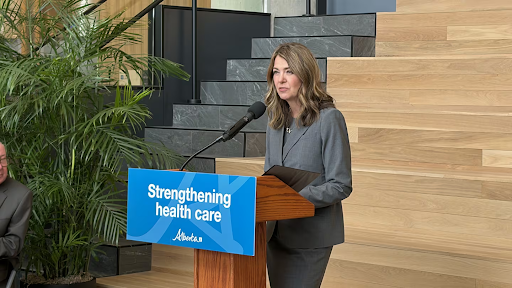
Recent comments and decisions by US Health and Human Services Secretary Robert F. Kennedy Jr. have added to the uncertainty.
He announced that healthy children and pregnant women will no longer be routinely recommended to receive the Covid-19 vaccine. Kennedy has also replaced the federal vaccine advisory panel and is reviewing the long-standing childhood vaccine schedule.
The KFF survey shows that around 25% of Americans believe Kennedy has made significant changes to vaccine policy, while 40% say they “don’t know enough to say.”
Parents Left Guessing About Child Vaccination
According to the KFF poll, about half of parents are unsure if the government still recommends Covid-19 vaccines for healthy children. The CDC, under Kennedy’s direction, has stepped back from formal recommendations. Instead, vaccine decisions for children are now expected to be made between parents and their healthcare providers.
Doctors Remain the Most Trusted Voices
Despite growing doubts about federal health agencies, most Americans still trust their personal doctors. Eight in ten adults say they have at least “a fair amount” of trust in their own physician’s vaccine advice.
Trust in the CDC and local health departments has declined over the past two years, but these institutions remain relatively credible. On the other hand, only 37% of adults trust Kennedy to provide reliable vaccine information.
Mixed Views on Safety and Policy Changes
Public opinion is split on whether the recent policy updates are beneficial. About one-third of survey respondents believe these changes make people less safe. Only 1 in 5 said the updates have improved public safety.
Experts Urge Early Vaccination
Although new vaccine formulations are expected in the fall, experts suggest getting vaccinated sooner if possible.
“The current shot isn’t updated, but it still offers protection,” Rivers noted. She advised that getting vaccinated now could help people stay ahead of rising cases and avoid potential access issues.
Mixed Signals Fuel Uncertainty
As the US faces yet another summer surge, evolving Covid-19 vaccine guidance has created confusion among the public. With limited information on vaccine availability and shifting federal policies, experts urge Americans to stay informed and consult their healthcare providers for the best protection moving forward.