CRA Call Centres Fail Most Tax Questions
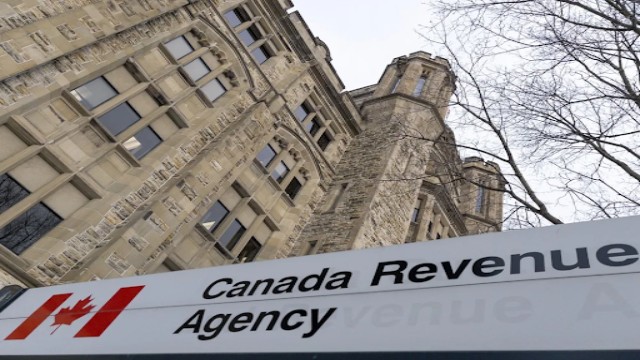
The Canada Revenue Agency’s (CRA) contact centres provided correct answers to individual taxpayers’ questions only 17 % of the time, according to a federal audit released Tuesday.
Auditor General Karen Hogan’s office tested the service by placing calls to CRA centres between February and May 2025. Callers asked general tax questions to evaluate the accuracy and completeness of responses.
Business Queries Fared Better
The report noted that CRA contact centres performed better when answering business-related tax or benefits questions. Accuracy for those inquiries reached 54 per cent, although the completeness of responses was just above 30 per cent.
In contrast, individual tax questions fared far worse. Accuracy and completeness for personal tax inquiries were estimated at only 17 per cent, highlighting ongoing challenges in assisting everyday Canadians.
Hogan’s report suggested that the CRA staff appeared more focused on adhering to shift schedules and break times than ensuring callers received correct information.
Call Delays Add to Frustration
Service delays remain a persistent problem. Only 18 per cent of incoming calls met the CRA’s standard of being answered within 15 minutes. Most callers waited an average of 31 minutes before reaching an agent.
“The Canada Revenue Agency has a duty to help individuals and businesses meet their tax obligations and access benefits,” Hogan said in a media statement. “Despite a new call system and other improvements, Canadians are still waiting too long for answers.”
Government Sets 100-Day Improvement Plan
On September 2, Finance Minister François-Philippe Champagne announced a 100-day plan for the CRA to address call centre delays, setting a deadline of December 11. The agency initially aimed to answer at least 70 per cent of incoming calls by mid-October.
Melanie Serjak, assistant CRA commissioner overseeing most contact centres, told reporters last week that the agency had met this target early. As part of the plan, the CRA extended term contracts for around 850 agents and rehired several hundred more.
AI and Online Support Expansions
The CRA is also increasing its use of artificial intelligence to improve services. Online chat hours are being extended, and the AI chatbot is now capable of answering more personal tax and benefit questions. Serjak described the system as “much like ChatGPT,” assisting Canadians with non-account-specific inquiries.
Speaking on Tuesday, Champagne said the government was “ahead of the curve” in addressing CRA challenges. “We knew improvements were needed. We are investing in technology and staff to enhance efficiency while ensuring quality service for Canadians,” he said.
Calls for Tax Code Simplification
Critics argue that service issues reflect the complexity of Canada’s tax system. The Canadian Taxpayers Federation said the high error rate proves the Income Tax Act is too complicated for most people to understand. “Hiring more bureaucrats to give even more wrong answers won’t solve the problem,” said federal director Franco Terrazzano.
Tax-Filer Empowerment Canada, representing leading tax software firms, also criticized the CRA. “The auditor general confirms that the status quo is not enough to meet taxpayers’ expectations,” the group said. They urged the government to involve private industry rather than relying solely on the struggling agency.
The audit highlights persistent challenges at the CRA as Canadians continue to wait for accurate and timely tax assistance, even amid modernization efforts.