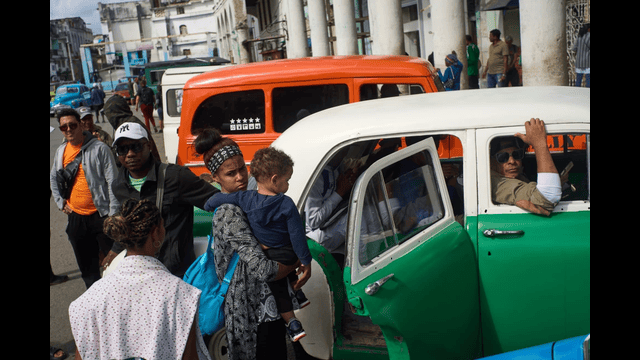
People wait for their turn to board their shared taxis in Cuba.
Another long day ended without a way home for Solanda Oña.
The 64-year-old bookseller waited for a bus in Havana.
It never arrived.
She slept inside a nearby restaurant instead.
Oña fears this could soon become routine.
Fuel shortages are tightening across Cuba.
Public transport is among the first casualties.
Across the capital, unease grew on Friday.
The anxiety followed a warning from President Miguel Díaz-Canel.
He said the US oil blockade would intensify suffering.
He also urged citizens to prepare for new sacrifices.
For many Cubans, that message landed heavily.
Years of economic decline have already taken their toll.
Now, people are asking a painful question.
How much more can ordinary citizens give up?
“I’m very worried,” Oña said.
“Before, there was always one bus.”
“Now, there is nothing.”
Transport Paralysis Hits Daily Life
By early Friday, the impact was visible.
Buses stopped running across several neighborhoods.
Workers waited for hours without updates.
Many were forced to walk long distances.
Others tried hitchhiking or sharing bicycles.
Gasoline shortages worsened overnight.
Power cuts also became more frequent.
The situation worsened after new US pressure.
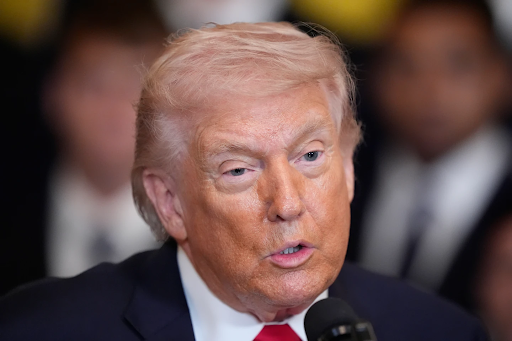
President Donald Trump recently signed an executive order.
The order threatens tariffs on countries supplying oil to Cuba.
The goal is to block remaining energy routes.
The policy has deepened the Cuba energy crisis.
Fuel shortages already disrupt daily routines.
Now, the strain is spreading faster.
Cuts Announced as Fuel Runs Low
Cuba’s national transportation company confirmed service reductions.
Several routes in eastern provinces were suspended.
Officials cited critical fuel shortages.
The University of Havana also took action.
It cancelled some events and shifted others online.
Administrators pointed to growing energy deficits.
Despite the turmoil, parts of Havana kept functioning.
Schools, banks, bakeries, and shops stayed open.
This contrast revealed a harsh reality.
Crisis conditions have become normal.
Some employers arranged private transport for staff.
Electric motorcycles and shared taxis remained available.
Yet these options remain unaffordable for most.
The average state salary stays under $20 monthly.
Taxi fares often exceed daily earnings.
Aid Arrives as Pressure Mounts
On Thursday night, the US announced $6 million in aid.
The funds are meant to support Cuban civilians.
Still, critics say aid cannot replace fuel access.
Cuba produces only 40 percent of its oil needs.
The rest must come from abroad.
Blocking imports affects every sector quickly.
Cuban authorities estimate heavy economic losses.
They say US sanctions cost $7.5 billion last year.
That figure exceeds losses from previous years.
The crisis worsened after regional shifts.
Venezuela halted oil shipments in January.
This followed a US military operation there.
Mexico also stopped oil exports later that month.
The decision removed another vital lifeline.
Echoes of a Painful Past
Many Cubans compare today’s hardships to the 1990s.
That period followed the collapse of Soviet support.
It is remembered as the “Special Period.”
President Díaz-Canel referenced those memories directly.
He warned that fuel shortages affect everything.
Food transport, hospitals, schools, and tourism suffer.
“Vital systems cannot function without fuel,” he said.
His words reflected growing urgency.
Citizens Adjust Once Again
For Cristina Díaz, adaptation is unavoidable.
The 51-year-old mother now walks to work daily.
She cleans houses to support her children.
On Friday, she walked beside dozens of others.
The sidewalks filled with quiet determination.
“We live as best we can,” she said.
“I was born here.”
“This is my reality.”
As the US oil blockade tightens, Cuba braces for more strain.
For its people, resilience remains the only option left.