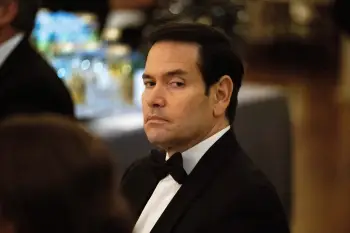
Security forces respond after Cuba speedboat shooting near Cayo Falcones leaves four dead and sparks diplomatic tension.
Cuba has accused a group of armed men arriving by speedboat of attempting to infiltrate the island and launch terrorist acts. The confrontation, which unfolded off Cuba’s northern coast, left four people dead and six others injured, intensifying tensions between Havana and Washington.
According to Cuban authorities, the Florida-registered vessel entered Cuban waters and opened fire on soldiers first. One Cuban officer was injured during the exchange, prompting troops to return fire. Officials said the boat was intercepted roughly one mile northeast of Cayo Falcones.
Cuba Speedboat Shooting Sparks Terror Allegations
In a late-night statement, Cuba’s government claimed the passengers were Cuban nationals living in the United States. Authorities alleged the group aimed to destabilize the country through violent action. Officials added that most of the ten individuals had criminal histories linked to violent activity.
Cuba identified two passengers, Amijail Sánchez González and Leordan Enrique Cruz Gómez, as wanted for terrorism-related offenses. Another man, Duniel Hernández Santos, was arrested and reportedly confessed to helping coordinate the landing. The government said he had been sent from the United States to assist the armed infiltration.
Seven passengers have been publicly identified so far, including Conrado Galindo Sariol and José Manuel Rodríguez Castelló. One of the deceased was named as Michel Ortega Casanova, while three victims remain unidentified.
Authorities stressed that investigations are ongoing and that further details will emerge once facts are verified.
Family Grief Amid Political Claims
While Cuban officials described the event as a security threat, family members expressed shock and grief. Misael Ortega Casanova, brother of Michel Ortega Casanova, mourned his sibling’s death and questioned the motivations behind the mission.
He said his brother, a truck driver and American citizen, had lived in the United States for over two decades. He leaves behind a pregnant daughter, his wife, and close relatives both in the U.S. and Cuba. According to Misael, no family members knew about the plan.
He described the pursuit of Cuba’s freedom as an “obsessive” cause that clouded judgment. Yet, he also hoped that his brother’s death might someday hold meaning for the island’s future.
U.S. Officials Seek Independent Verification
U.S. Secretary of State Marco Rubio confirmed he had been briefed on the Cuba speedboat shooting. However, he declined to speculate on the incident’s exact circumstances. Rubio emphasized that American agencies are gathering independent information.
He noted that shootouts at sea involving Cuba are highly unusual and rare. Both the Department of Homeland Security and the U.S. Coast Guard are now reviewing the case. Rubio said the United States would not rely solely on Cuban reports.
He also clarified that the event was not a U.S. government operation. Investigators are still determining whether any victims were American citizens or permanent residents.
Florida Attorney General James Uthmeier has ordered state prosecutors to coordinate with federal authorities. Meanwhile, the U.S. Attorney’s Office in South Florida pledged to pursue answers through legal and diplomatic channels.
Vice President JD Vance stated that the White House is closely monitoring developments. He expressed hope that the situation would not escalate further.
Rising Tensions Between Washington and Havana
The Cuba speedboat shooting comes during heightened political strain. Relations between the two nations have deteriorated in recent months. Following the removal of Venezuelan President Nicolás Maduro, U.S. leaders adopted a tougher stance toward Cuba.
Economic measures have also intensified pressure. A recent U.S. executive order threatens tariffs on countries supplying oil to Cuba. That move deepened the island’s ongoing energy crisis and strained regional diplomacy.
Against this backdrop, the maritime clash risks worsening bilateral relations. Cuban officials insist they acted to protect national sovereignty and regional stability. U.S. authorities, however, continue to scrutinize the facts carefully.
As investigations proceed on both sides, uncertainty surrounds what truly transpired at sea. For now, the Cuba speedboat shooting stands as a flashpoint in an already fragile relationship.