Disney Invests $1B in OpenAI to Bring Characters to Sora
Disney has taken a major leap into the future of entertainment. The company is investing $1 billion in OpenAI and allowing more than 200 of its iconic characters to appear in Sora, OpenAI’s fast-growing AI video generation tool. The announcement marks Disney’s most significant move yet into generative AI.
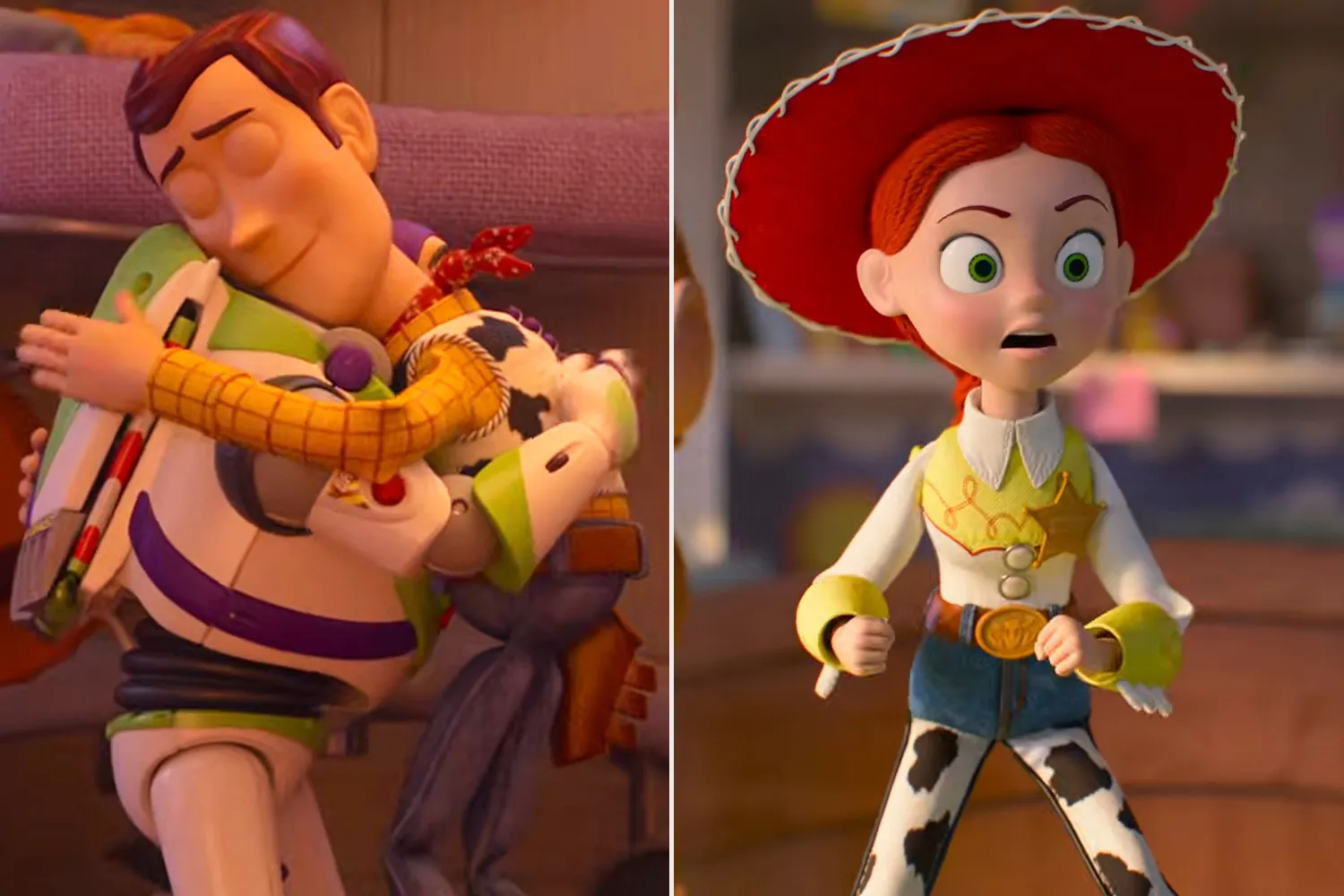
The partnership makes Disney the first major studio to license such a vast catalogue of characters to an AI platform. Fans will be able to create short videos using Mickey Mouse, Elsa, Iron Man, Buzz Lightyear, Luke Skywalker, and many more through simple text prompts. The deal will run for three years.
AI video tools like Sora have surged in popularity. Their ability to generate lifelike video clips in seconds has impressed users and unsettled critics. The rise of AI-generated celebrity footage, fake political videos, and unauthorized digital recreations has raised public concern about misinformation and copyright violations. Disney and OpenAI say they are taking those concerns seriously.
OpenAI CEO Sam Altman said the deal demonstrates that “AI companies and creative leaders can work together responsibly.” He emphasized the importance of innovation that protects creators’ rights. Disney CEO Bob Iger echoed that message, saying AI must respect artistic integrity while helping stories reach new audiences.
Under the agreement, some user-generated Sora videos will also appear on Disney+. The deal goes beyond video licensing. Disney will adopt OpenAI’s technology to build new tools and services. It will also deploy ChatGPT internally to support employees across departments.
Concerns From Children’s Advocates
Not everyone is pleased with Disney’s AI expansion. Children’s advocacy groups say the company is placing young fans at risk. Josh Golin, executive director of Fairplay, criticized the collaboration, arguing that Disney is inviting children toward a platform they are not meant to use. He said the deal “betrays countless children” who love Disney stories and characters. According to Golin, it encourages kids to use “unsafe” AI-powered tools.
OpenAI maintains that Sora is not designed for children, but critics fear that familiar characters may draw them in regardless.
Disney Takes Aim at Google
Disney coupled its OpenAI announcement with a sharp warning to another tech giant. The company sent Google a cease-and-desist letter demanding that it stop using Disney-owned content to train its AI models. Those models include Google’s Veo video generator and its Imagen and Nano Banana image tools.
Disney said it has raised concerns with Google for months with no progress. Iger said the company had “no choice” but to take formal action. The letter accuses Google of “infringing Disney’s copyrights on a massive scale” and cites examples of AI-generated images featuring characters from Star Wars, The Simpsons, The Lion King, and Deadpool.
Disney also accused Google of spreading that content through products such as YouTube. The company said Google has not taken steps to limit the problem. “Google’s mass infringement of Disney’s copyrighted works must stop,” the letter stated.
This is not Disney’s first battle with AI developers. It has sent similar notices to Meta and Character.AI and has filed legal action with NBCUniversal and Warner Bros. Discovery against AI image generator Midjourney and AI firm Minimax.
Google has not yet responded to the latest allegations.
A Defining Moment for Hollywood and AI
Disney’s investment in OpenAI signals a new era for storytelling, where technology and creativity merge more closely than ever. But the move also intensifies the broader fight over copyright in the age of generative AI. As studios and tech companies race ahead, regulators, creators, and audiences now face a crucial question: who controls the future of digital imagination?