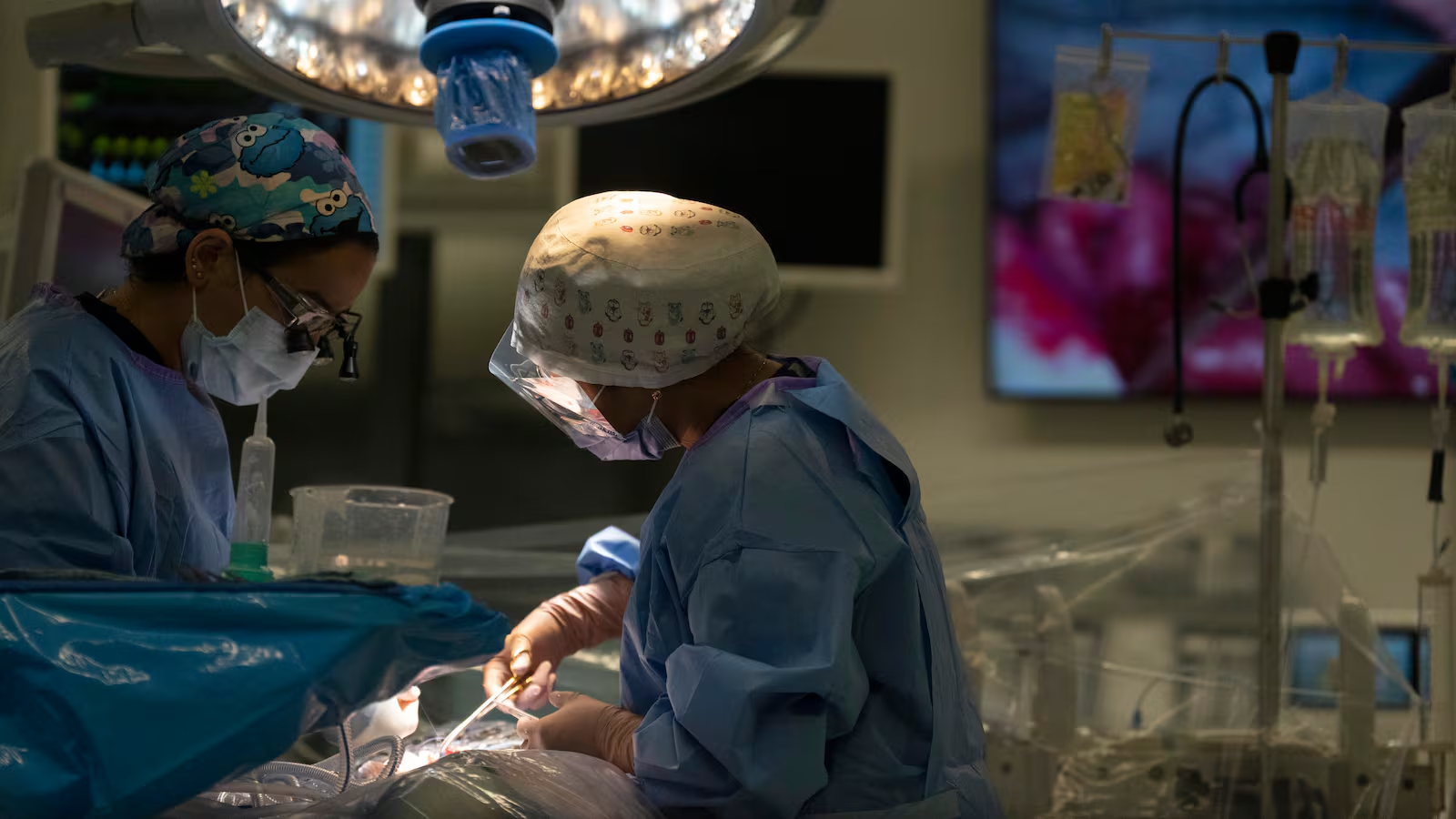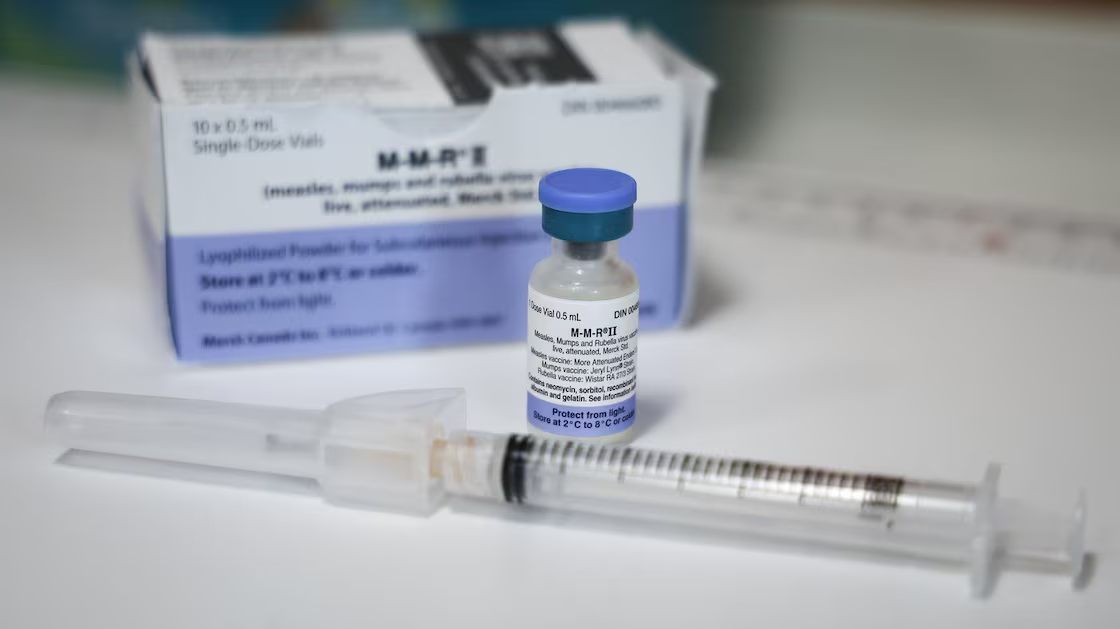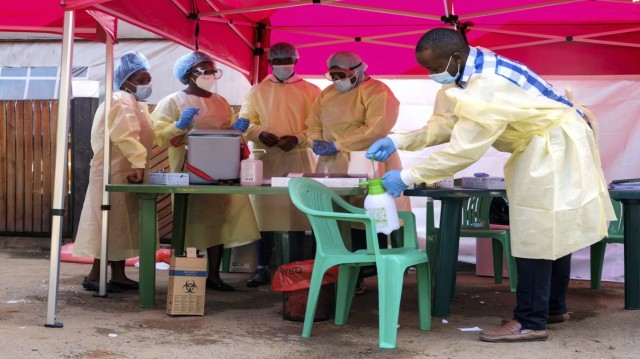
Health workers prepare to administer vaccines against the Sudan strain of Ebola, during a trial at Mulago Referral Hospital, in Kampala, Uganda Monday, Feb. 3, 2025. (AP Photo)
Health officials in Congo are racing against time to contain the country’s first Ebola outbreak in nearly two decades in the Kasai province. The World Health Organization (WHO) confirmed that vaccine doses have finally reached the outbreak’s epicentre despite daunting logistical hurdles.
The outbreak, declared earlier this month, has put pressure on health authorities already dealing with limited resources, poor infrastructure, and funding shortfalls.
Vaccines Reach Remote Kasai Province
On Friday, 400 doses of the Ebola vaccine were airlifted by a UN helicopter to Bulape, the affected locality in Kasai. Officials say another 1,500 doses will be dispatched from Kinshasa, the capital city located more than 1,000 kilometres away.
“We have struggled in the last seven days with access but are collaborating with peacekeeping forces now,” said Patrick Otim, WHO’s program manager.
Growing Cases Raise Alarm
Since September 4, the number of suspected cases has climbed from 28 to 68, with 16 confirmed deaths, according to Africa’s health authorities. The most recent confirmed case was found 70 kilometres from Bulape, raising fears of the virus spreading to new zones.
“Our worry is if the outbreak crosses into another health zone, the response will become even more resource-intensive,” Otim explained.
Costly Battle Ahead
Containing the outbreak is expected to cost millions. WHO has projected at least $20 million will be needed in the next three months. Congo’s broader national response plan carries an even heavier price tag of $78 million.
Concerns are mounting after recent U.S. funding cuts. Previous support from Washington was instrumental, especially during the 2021 outbreak when up to $11.5 million was provided.
Frontline Workers in Danger
Health workers remain at the highest risk. At least four are among those infected, officials confirmed. Protecting these frontline responders is now a top priority.
“For now, our priority is to vaccinate health care workers,” said Mathias Mossoko, Congo’s Ebola response coordinator in Bulape. “If doctors and nurses are not protected, patients will not get the care they need.”
Contact Tracing Offers Some Hope
Efforts to track and contain the spread are showing progress. More than 600 people who had contact with suspected cases have been traced. Only one secondary infection has been confirmed so far.
Authorities say this lowers the immediate risk of Ebola spreading beyond Kasai to other provinces.
“At this stage, it is not yet appropriate to declare a public health emergency,” Mossoko noted.
Urgent Need for Support
While vaccines are finally arriving, the real challenge lies in sustaining the response. Roads remain impassable, funding is uncertain, and cases continue to rise. Officials warn that without adequate global support, the outbreak could escalate.
For now, Congo’s health workers continue their fight at the frontline, determined to stop the virus before it spreads further.