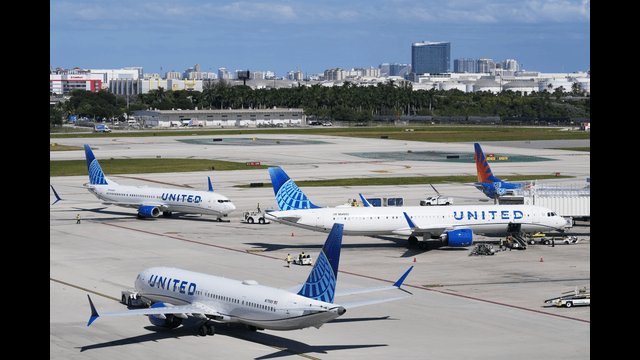
United Airlines aircraft move from the gate at Fort Lauderdale-Hollywood International Airport, Thursday, Nov. 13, 2025, in Fort Lauderdale, Fla.
The Federal Aviation Administration (FAA) has lifted all restrictions on commercial flights that were imposed during the nation’s longest government shutdown. The move allows airlines to return to their regular flight schedules starting Monday at 6 a.m. EST.
FAA Ends Emergency Flight Cuts
The FAA confirmed the decision in a joint announcement by Transportation Secretary Sean P. Duffy and FAA Administrator Bryan Bedford.
The agency first imposed the flight reduction order on November 7, citing serious safety concerns tied to a growing shortage of air traffic controllers. The unprecedented move affected 40 major airports, including critical hubs in New York, Chicago, Los Angeles, and Atlanta.
Why the FAA Cut Flights
As the government shutdown stretched into its second month, staffing levels at several air traffic control facilities fell to alarming lows. Controllers were required to work without pay and had already missed two paychecks, creating widespread fatigue and potential safety risks.
Reports of planes flying too close to one another, increased runway incursions, and pilot complaints raised additional red flags. According to Duffy, internal safety data showed the aviation system was under dangerous pressure, making temporary flight cuts unavoidable.
Flight Reductions Grew Before They Eased
Initially, the FAA ordered a 4% reduction in flights, which later increased to 6% as staffing conditions worsened. On Friday, however, the agency scaled the restrictions back to 3%, citing steady improvements as more controllers returned to work.
The shutdown officially ended on November 12 after 43 days, the longest in U.S. history. That progress stabilized operations and prompted the FAA to halt plans that could have pushed cuts as high as 10%.
Rapid Decline in Cancellations
Flight disruptions have steadily decreased since the shutdown ended. Aviation analytics firm Cirium reported fewer than 1% of flights canceled over the weekend — the lowest rate since the FAA order was introduced.
Data from FlightAware showed:
- 315 cancellations on Saturday
- 149 cancellations on Sunday
These numbers were far below the required 3% cut mandated for the weekend.
The worst day for travelers was November 9, when more than 2,900 flights were canceled due to the FAA order, staffing shortages, and severe weather across several states.
FAA Safety Team Recommends Lifting the Order
The FAA said its safety team conducted “detailed reviews of safety trends” and found a steady decline in staffing-triggered events, clearing the way for flights to resume normally.
However, the agency also acknowledged reports that certain airline carriers may not have fully complied with the emergency order. Officials confirmed an investigation is underway, though no further details were provided.
Airlines Prepare for Holiday Travel
Airline executives welcomed the FAA’s decision, saying the return to normal operations came just in time for the Thanksgiving travel rush — typically one of the busiest periods of the year.
Carriers expect a quick rebound in schedules and service reliability now that the restrictions have been lifted and controllers are back at work.
A Look Back at the Shutdown’s Impact
The shutdown placed intense pressure on the aviation sector. Many air traffic controllers worked extended hours without pay, raising concerns about fatigue and safety.
While Duffy did not release the exact safety numbers that triggered the flight cuts, he pointed to multiple warning signs across the system. Industry experts say the shutdown highlighted the fragility of staffing levels at key FAA facilities and the need for long-term investment.
Moving Forward After FAA Flight Restrictions Lifted
With the FAA lifting flight restrictions, the U.S. aviation network is slowly regaining stability. Airlines, passengers, and airport officials hope the return to full schedules will restore confidence and minimize disruptions heading into the busy holiday season.
The FAA emphasized it will continue monitoring facilities closely and is committed to ensuring safe and efficient travel nationwide.