Fatima Bosch crowned Miss Universe 2025 after a controversy-filled competition. Getty Images
Miss Mexico Fatima Bosch emerged as the new Miss Universe on Friday, closing a season marked by rare public rifts and backstage drama. Her win in Thailand comes weeks after she walked out of a pageant event where an official berated her and threatened to punish contestants who supported her.
A Victory After Public Confrontation
Bosch, 25, left a pre-pageant ceremony early this month after Thai organiser Nawat Itsaragrasil reprimanded her for not posting promotional content. When she objected, he called security and warned that he would disqualify those siding with her. Several contestants walked out with Bosch in solidarity.
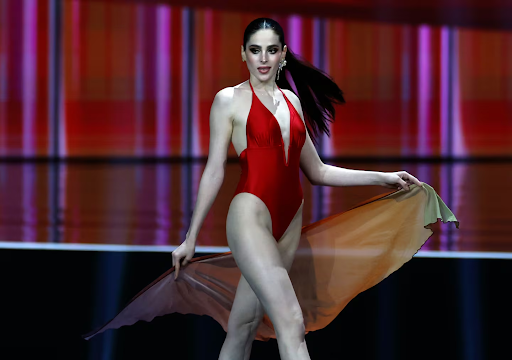
Miss Mexico Fatima Bosch in the swimsuit round during the Miss Universe preliminaries on Nov. 19. Shutterstock via CNN Newsource
The Miss Universe Organisation later condemned Nawat’s actions, calling them “malicious.” Raul Rocha, the Mexican businessman now at the helm of the organisation, publicly urged his Thai partner to “stop.” Nawat later apologised, but international executives soon stepped in to take control of the event’s management.
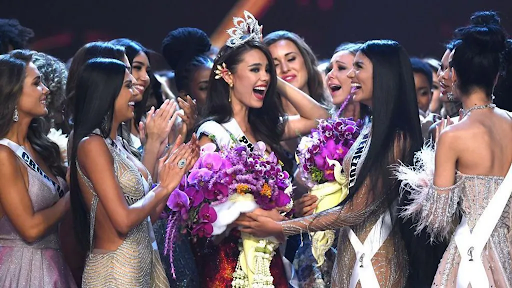
'Miss Universe is worthless if you don't empower and support the women who compete,' says its former president. Getty Images
Judges Quit Over Rigging Concerns
The controversy deepened when two judges resigned a week later. Lebanese-French musician Omar Harfouch accused organisers of manipulating the selection process and claimed an “impromptu jury” had pre-decided finalists. Former French footballer Claude Makelele also stepped down, citing personal reasons.
Miss Universe officials rejected the allegations. They said Harfouch may have misunderstood the separate “Beyond the Crown” social impact programme, which runs independently of the main pageant.
From Onstage Fall to Fan Favourites
This year’s competition also saw unexpected moments, including Miss Jamaica’s fall during the evening gown round. She was carried out on a stretcher and is recovering in hospital.
Behind the scenes, tension between the pageant’s Thai hosts and Mexican owners shaped much of the season. Thailand has a growing, enthusiastic pageant culture, while Latin America has long dominated beauty contests. This cultural blend created both excitement and friction.
Bosch’s win was followed by Thailand’s Praveenar Singh as first runner-up. Contestants from Venezuela, the Philippines and Côte d’Ivoire rounded out the top five.

Former owner Anne Jakrajutatip sought to make Miss Universe more inclusive. Getty Images
Leadership Shake-Up Adds to Instability
The turmoil comes at a time of major transition for Miss Universe. Thai media mogul Anne Jakrajutatip, who bought the pageant in 2022 and introduced inclusive reforms, resigned as CEO just before the pre-pageant events. Guatemalan diplomat Mario Bucaro replaced her.
Jakrajutatip had broadened eligibility rules, allowing transgender women, married women and mothers to compete. She also ended age limits. Her company JKN later filed for bankruptcy, pushing the organisation into financial uncertainty.
Experts say the leadership structure has become confusing, with key roles split between Bangkok and Mexico. Former Miss Universe president Paula Shugart said the unclear hierarchy is “damaging to the brand.”
Some analysts also point to cultural misunderstandings. Thai scholars note that communication styles differ greatly between Thailand and Latin America. Others say Jakrajutatip’s identity as a transwoman faced resistance from fans who embraced more traditional views of womanhood.
A Pageant Trying to Stay Relevant
Despite the turbulence, Miss Universe continues to grow online. Many former contestants have millions of followers on TikTok and Instagram. They act as influencers, raising the profile of the organisation and promoting charitable causes.
Pageant organisers are trying to evolve in this direction. Nawat’s Miss Grand International, known for its bold digital presence, has already embraced e-commerce and live-selling. Latin American audiences, however, still see beauty queens as television celebrities, creating a divide in expectations.
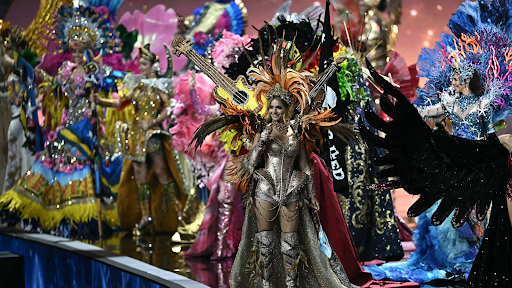
Miss Spain Andrea Valero walks on stage with other contestants during the 2025 Miss Universe national costume presentation in Nonthaburi, north of Bangkok, on Nov. 19. Getty Images
Yet the broader conversation remains unchanged. Critics continue to challenge the relevance of pageants. Contestants from conservative countries wore modest swimwear this year, while most others chose bikinis.
Former president Shugart believes pageants still have a role. She said Miss Universe must remain centred on empowering contestants.
“Miss Universe is nothing if you're not empowering the women that compete,” she said.
Bosch’s win, after a season of chaos, now becomes the organisation’s defining test—whether it can regain trust, modernize its identity, and move past one of the most controversial chapters in its history.