Florida Surgeon General Dr. Joseph Ladapo addresses supporters and media, gesturing ahead of Gov. Ron DeSantis’ bill signing event. AP Photo
Florida’s controversial plan to ease school vaccine requirements won’t take effect immediately. Health officials say the changes will need at least 90 days before they become active.
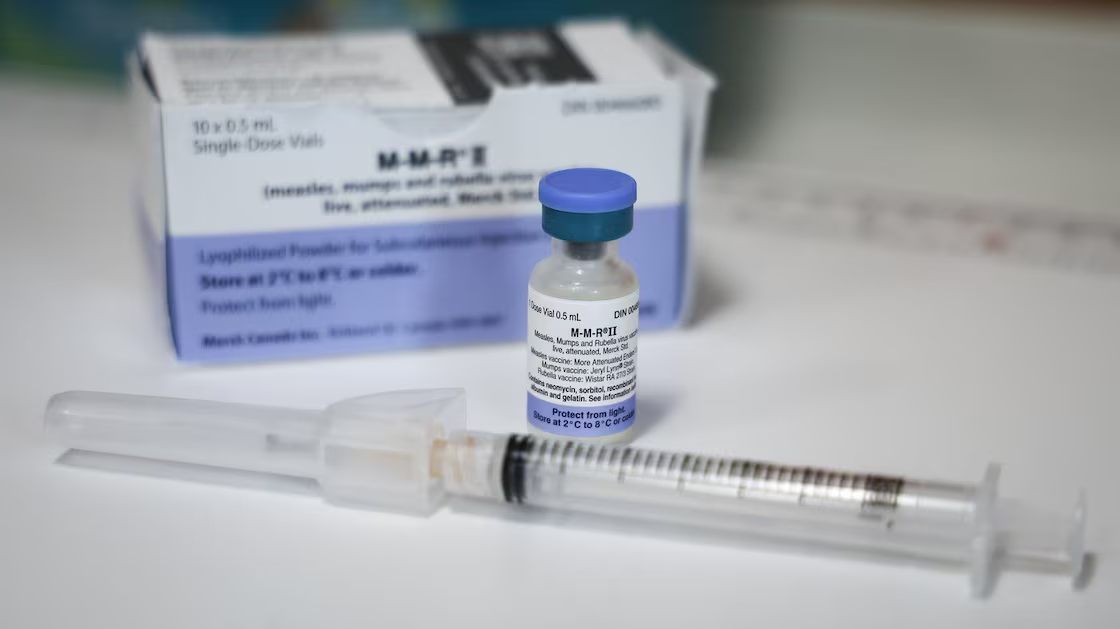
The rule, announced earlier this month, will not apply to all childhood diseases. Only a handful of vaccines—such as chickenpox, hepatitis B, Hib influenza, and pneumococcal illnesses—will be impacted at first. Critical vaccines like measles, polio, and diphtheria will remain mandatory unless lawmakers expand the policy.
What the New Rule Means
The Florida Department of Health confirmed the update in an email on Sunday. The statement clarified that while the rule was initiated on September 3, 2025, it will take about three months to become effective.
That timing matters. Florida’s public school year has already started in August, meaning students will continue under the old vaccination requirements for now.
All other existing mandates—covering measles, mumps, tetanus, diphtheria, polio, and pertussis—remain in place until lawmakers decide otherwise.
Ladapo Pushes Vaccine Choice
Florida Surgeon General Dr. Joseph Ladapo has positioned the move as a matter of parental freedom. He insists families should decide whether children receive vaccines.
“If you want them, God bless, you can have as many as you want,” Ladapo said during an interview on CNN. “And if you don’t want them, parents should have the ability and the power to decide what goes into their children’s bodies.”
Florida already has a religious exemption for vaccine requirements, but this would be the first time the state makes multiple vaccines entirely voluntary.
A Shift from Public Health Tradition
This decision marks a major break from decades of public health policy. For years, research has consistently shown vaccines are safe and the best defense against infectious diseases.
Globally, the World Health Organization estimates vaccines have saved at least 154 million lives in the past 50 years. Most of those lives were infants and children.
Health experts worry Florida’s plan could expose more students and school staff to preventable illnesses.
Concerns from Pediatric Experts
Dr. Rana Alissa, who chairs the Florida Chapter of the American Academy of Pediatrics, criticized the decision. She warned that removing requirements threatens the safety of children and school communities.
Her concern comes during a dangerous year for infectious diseases in the U.S. Measles has surged to its highest level in more than three decades, with over 1,400 cases and three deaths so far.
Whooping cough, or pertussis, is also spreading rapidly. Since winter, it has killed two babies in Louisiana and a 5-year-old in Washington state. CDC data shows more than 19,000 cases nationwide this year, about 2,000 more than the same time in 2024.
What Happens Next
Florida lawmakers will not reconvene until January 2026, though committee meetings begin in October. Until then, only the limited vaccine exemptions will be implemented.
Whether the plan expands to cover other critical diseases—like measles, polio, and diphtheria—remains in lawmakers’ hands.
For now, the state finds itself at the center of a heated national debate: Should vaccine mandates remain a cornerstone of public health, or should they give way to parental choice!