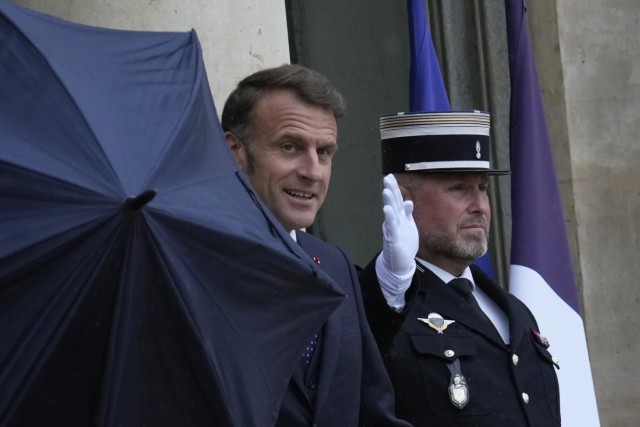
French President Emmanuel Macron uses an umbrella as he waits for Lebanese Prime Minister Nawal Salam Thursday, July 24, 2025.
French President Emmanuel Macron has announced a landmark decision — France will formally recognize the State of Palestine. The announcement comes amid growing international outrage over the deepening humanitarian crisis in Gaza.
Formal Recognition Set for September
Macron shared the news on X, formerly Twitter, stating he will make the recognition official at the U.N. General Assembly in September.
“The urgent thing today is that the war in Gaza stops and the civilian population is saved,” he posted.
This move makes France the most influential Western power to endorse Palestinian statehood. Over 140 countries already recognize Palestine, including several in Europe.
Pressure Builds on Israel
France’s recognition increases diplomatic pressure on Israel. It also strengthens global calls for a peaceful solution in the Middle East.
Israel has fiercely opposed the move. Prime Minister Benjamin Netanyahu condemned Macron’s decision, calling it a “reward for terror.”
“A Palestinian state in these conditions would be a launch pad to annihilate Israel — not to live in peace beside it,” Netanyahu warned.
Palestinian Leadership Welcomes Macron’s Support
The Palestinian Authority responded with gratitude.
A letter confirming the decision was handed to President Mahmoud Abbas in Jerusalem.
Hussein Al Sheikh, Vice President of the PLO, called it a “historic moment.”
“This reflects France’s support for Palestinian self-determination and international law,” he said.
U.S. Pushes Back
The United States has strongly rejected France’s plan. Secretary of State Marco Rubio criticized the decision on social media.
“This reckless move only helps Hamas propaganda and delays peace. It insults victims of the October 7th attack,” he wrote.
France Navigates Complex Domestic and Global Tensions
France is home to both the largest Jewish and the largest Muslim populations in Western Europe.
Middle East conflicts often trigger protests and tensions within France’s borders.
After the Hamas attacks on October 7th, Macron supported Israel. But his tone has shifted with the worsening crisis in Gaza.
Frustration with Israel’s military campaign and its impact on civilians has clearly grown in Paris.
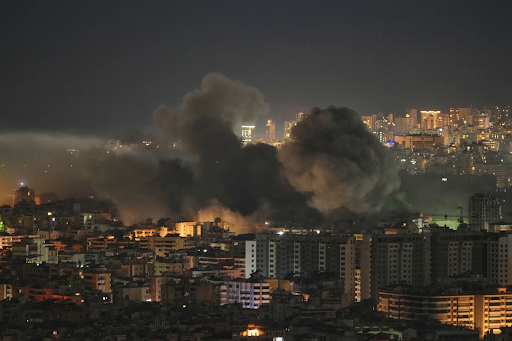
Gaza Crisis Drives International Diplomatic Shifts
Macron’s announcement follows the U.S. walking away from Gaza ceasefire talks in Qatar, citing Hamas’s lack of cooperation.
France and Saudi Arabia are also set to co-host a U.N. conference focused on reviving the two-state solution.
Macron previously said he was determined to recognize Palestine as part of a path toward lasting peace.
“Given France’s historic commitment to a just peace, I have decided to recognize the State of Palestine,” Macron said.
“Peace is possible.”
European Support for Statehood Grows
Earlier this week, France and over two dozen European nations condemned Israel’s tight control of aid to Gaza and violence against starving civilians.
Momentum is growing across Europe to push for Palestinian statehood and end the war.
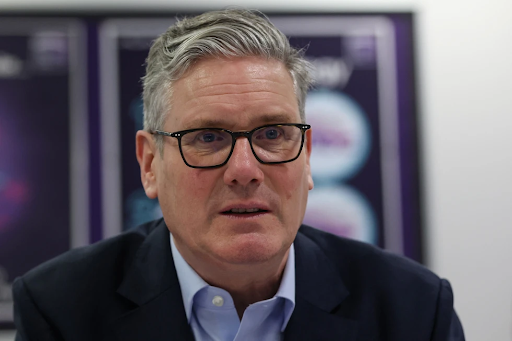
British Prime Minister Keir Starmer joined the call for urgent action.
“We are clear that statehood is the inalienable right of the Palestinian people,” he said.
“A ceasefire opens the door to peace and security for both Palestinians and Israelis.”
Macron will meet with British and German leaders for emergency talks on Gaza. Their focus: food aid, a ceasefire, and a political solution.
Background: A Conflict Decades in the Making
The Palestinians seek a state in Gaza, the West Bank, and East Jerusalem — territories Israel occupied in the 1967 war.
Israel annexed East Jerusalem and has built settlements across the West Bank.
Over 500,000 Jewish settlers now live there under Israeli rule, while 3 million Palestinians live under partial Palestinian Authority control.
Peace talks collapsed in 2009, with little progress since.
Yet most world leaders still believe a two-state solution is the only viable path forward.
France’s decision to recognize Palestine could mark a turning point — if others follow.