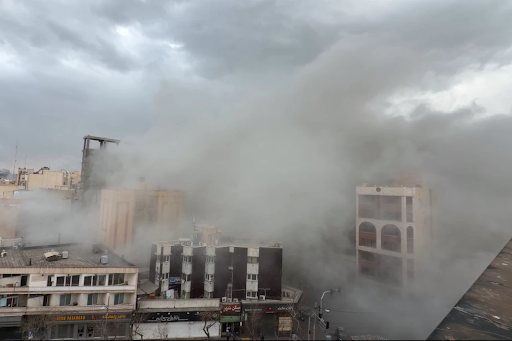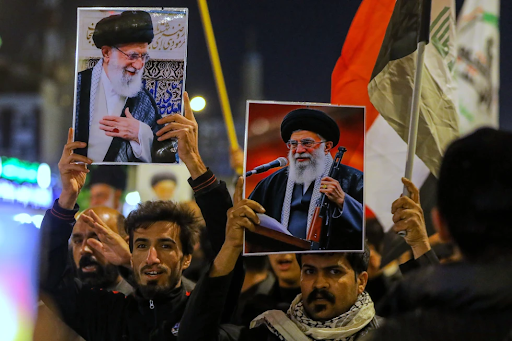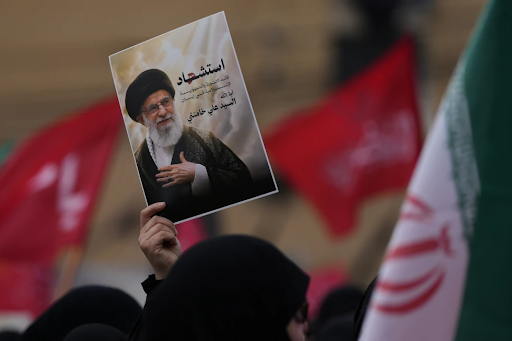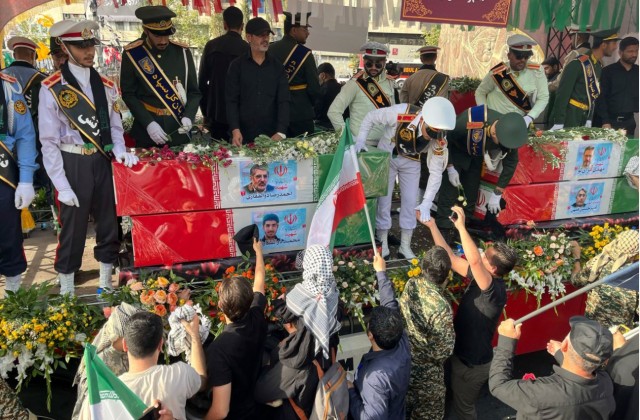
People mourn over the coffins of Iranian nuclear scientists killed in Israeli strikes, during a funeral ceremony in Tehran, Iran, on Saturday.
As morning broke over Tehran, the Iranian capital prepared for a solemn state funeral. The nation gathered to honor senior military commanders, nuclear scientists, and civilians killed during recent Israeli airstrikes. The funeral marks a critical moment in a 12-day conflict that has gripped the Middle East, pushing the region further into instability.
Tehran Bids Farewell in State Funeral Ceremony
At 8 a.m. local time, thousands assembled for a state funeral at Enqelab Square. The procession continued to Azadi Square. At least 60 people, including four children and four women, were laid to rest. Local reports described the funeral as “national and revolutionary.” Similar ceremonies took place across the country, including in Ilam.
Governor Mohammad Sadegh Motamedian called on Iranians to “show the world their loyalty to the path of honor and resistance.” The massive turnout reflected both mourning and political resolve.
Fallout From Israeli Strikes Deepens Middle East Crisis
The funeral follows a series of deadly Israeli attacks from June 13 to June 24, targeting Iranian infrastructure and scientific personnel. These strikes left hundreds dead, including key figures in Iran’s nuclear and defense sectors.
The situation remains tense despite a U.S.-brokered ceasefire.
While the truce is holding for now, diplomatic negotiations appear frozen. The focus keyword "Israeli strikes" dominates headlines, reflecting the intensifying standoff.
Trump Threatens Military Action Amid Nuclear Tensions
Former U.S. President Donald Trump reignited concerns by suggesting he might order strikes on Iran’s nuclear facilities if future intelligence deems it necessary. “I would absolutely consider bombing Iranian nuclear sites again,” Trump stated.
He also revealed he had been working on lifting some sanctions against Iran. However, a defiant speech by Iran’s Supreme Leader Ayatollah Ali Khamenei changed his stance. Khamenei’s declaration of victory over Israel halted any talks of relief.
In a dramatic post, Trump claimed he “saved” Khamenei from assassination. He alleged he blocked both Israeli and American forces from striking the leader’s location. “I SAVED HIM FROM A VERY UGLY AND IGNOMINIOUS DEATH,” he wrote.
Activity at Iran’s Fordow Nuclear Site Raises Alarms
New satellite images show renewed activity at the Fordow nuclear facility. This heavily fortified site lies deep within a mountain, making it resistant to air attacks. Despite this, Fordow was previously targeted by joint Israeli and U.S. airstrikes.
The U.S. military recently disclosed why it refrained from using its Massive Ordnance Penetrator—commonly known as the bunker buster bomb—against Iran’s central Isfahan site.
Officials cited the facility’s depth as the reason.
This revelation adds to concerns that Iran may be accelerating its nuclear enrichment in secret.
Families of Hamas Hostages Demand Peace
Meanwhile, in Tel Aviv, families of Israelis kidnapped by Hamas during the October 7 attacks held a demonstration. The protest took place in Hostages Square. Relatives urged the Israeli government to pursue a “comprehensive agreement” with Hamas.
Of the 50 known hostages still in Gaza, only 20 are believed to be alive. Their families believe this ceasefire presents a rare opportunity for negotiation. “This is a historic window of opportunity,” one protestor said.
Senate Blocks Attempt to Limit Trump’s War Powers
Back in Washington, the U.S. Senate rejected a resolution seeking to limit Trump’s military authority. The proposal, led by Democrats, would have required Congressional approval for any future strikes on Iran.
Critics warned this gives Trump unchecked power over military action, escalating the possibility of renewed conflict.
A Region on Edge
The keyword Israeli strikes now symbolizes more than military aggression—it reflects a fragile geopolitical balance at risk of collapse. As Iran mourns its fallen leaders, nuclear tensions rise and diplomatic doors slam shut. Protests in Israel and political clashes in the U.S. only add to the volatility.
The world watches, uncertain whether the ceasefire will last—or simply serve as the calm before another storm.