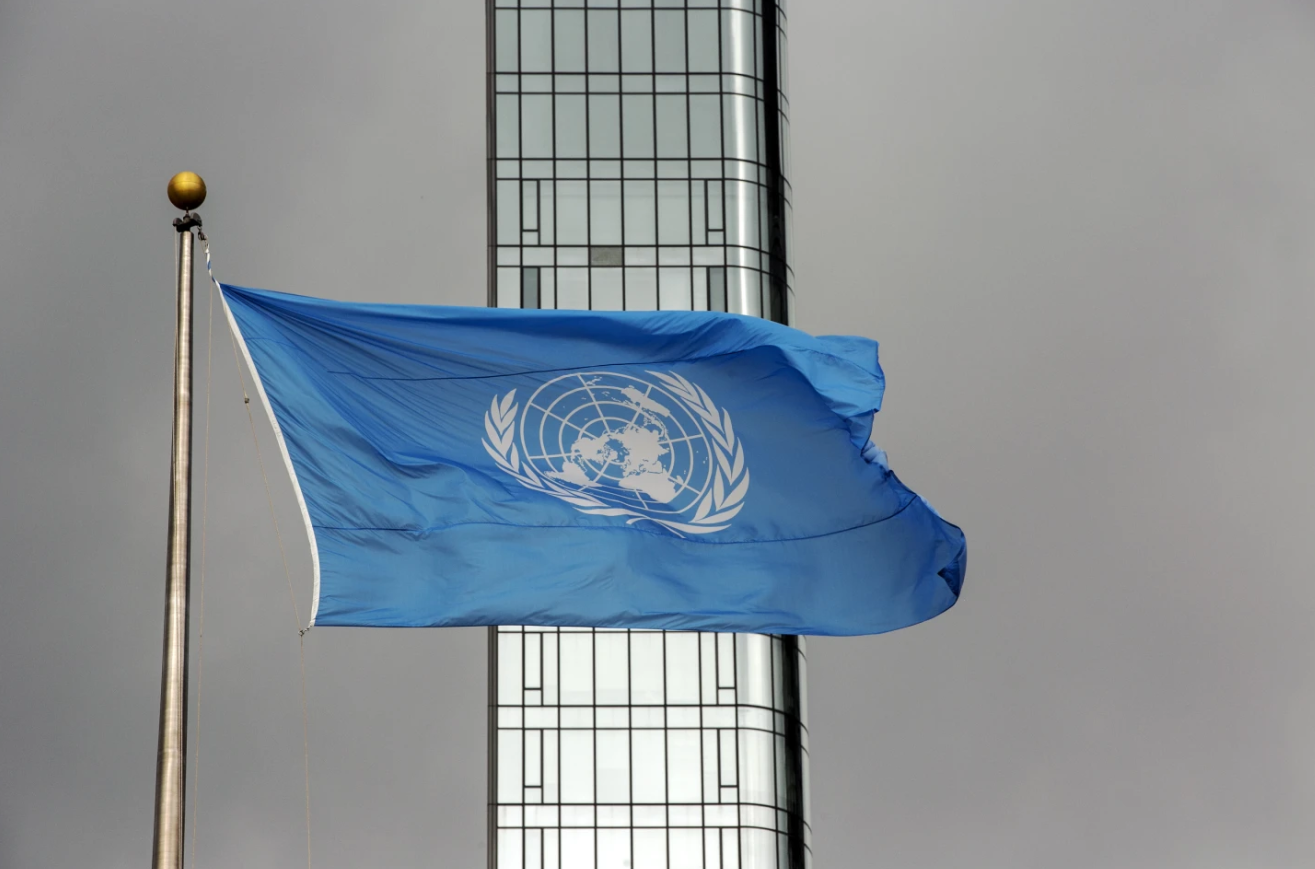
The UN flag flies on a stromy day at the United Nations General Assembly, Sept 22, 2025.
The world enters one of the most turbulent phases in history. Wars rage in Gaza and Ukraine. Global hunger worsens. Artificial intelligence grows faster than regulations can contain it. Against this backdrop, world leaders gather in New York for the United Nations General Assembly 2025.
UN Secretary-General Antonio Guterres admits the system is strained like never before. “International cooperation is under pressures unseen in our lifetimes,” he warned. Yet he insists this gathering is a rare chance to find solutions.
Leaders Face Global Turmoil
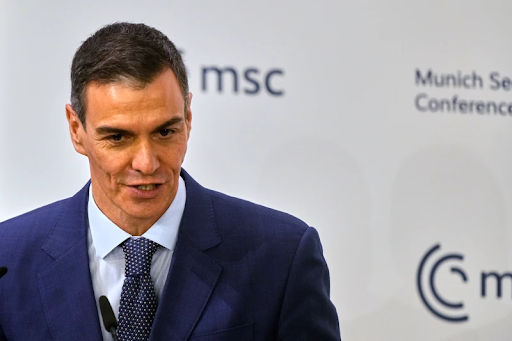
More than 150 presidents, prime ministers, and monarchs will attend the week-long session. Guterres called it a moment to confront urgent threats: climate change, widening inequality, and unchecked technologies.
He urged leaders to act, not posture. “We must reduce risks, bridge divides, and protect our planet,” he said. His one-on-one meetings with leaders will focus on peace talks, AI regulation, climate commitments, and financing the UN’s 2030 development goals.
Still, many question whether real progress is possible in today’s polarized world.
Gaza Crisis at the Center
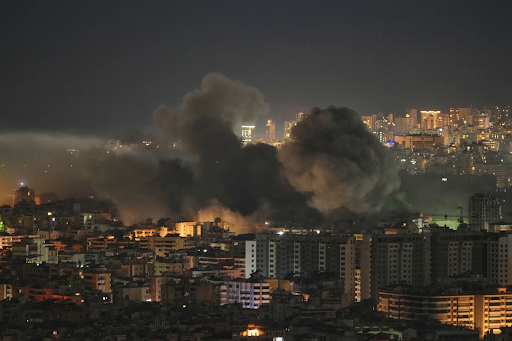
The war in Gaza will dominate discussions. Israel’s offensive in Gaza City has forced thousands to flee. A UN-commissioned report recently accused Israel of genocide. Israel dismissed the findings as false.
Palestinian envoy Riyad Mansour said Gaza would be “the elephant in the room.” On Monday, France and Saudi Arabia will co-chair a high-level meeting on the two-state solution. However, the U.S. refused a visa for Palestinian President Mahmoud Abbas. Instead, the UN allowed him to speak by video — as it did for Ukraine’s Volodymyr Zelenskyy in 2022.
The General Assembly has already passed a resolution urging Israel to accept a Palestinian state. Yet Israeli Prime Minister Benjamin Netanyahu remains firm: “There will be no Palestinian state.”
Currently, 145 nations recognize Palestine, and at least 10 more are expected to follow this week.
Ukraine, Sudan, and Beyond
Ukraine will also be in the spotlight. Zelenskyy will address the General Assembly in person as the Security Council meets on the war. Sudan’s conflict, which has triggered the world’s worst displacement crisis, is another urgent agenda item. Somalia’s fight against Al-Shabab and Haiti’s worsening gang violence will also feature prominently.
An event will mark the 30th anniversary of the Beijing Women’s Conference. But the UN admits gender equality is far from reality, estimating it could take 300 years at the current pace.
Trump’s Return to the UN
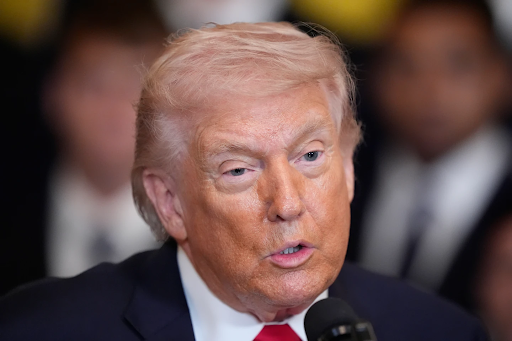
Another headline moment will be U.S. President Donald Trump’s first UN appearance in his second term. Observers expect him to highlight his foreign policy achievements, which he argues merit a Nobel Peace Prize. His positions on tariffs, Russia, and China will be closely watched.
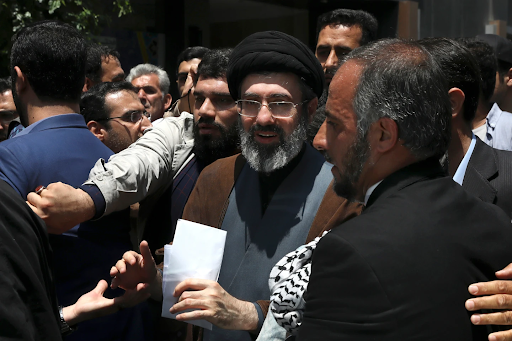
Interim Syrian President Ahmad al-Sharaa and Iranian President Masoud Pezeshkian will also make key appearances. Iran faces renewed tension after the Security Council delayed lifting sanctions over its nuclear program. Without a new deal, sanctions will automatically return on September 27.
Climate and AI in Focus
Beyond wars and politics, leaders will discuss climate action and the risks of artificial intelligence. Guterres warns the planet is overheating while AI advances without guardrails. Both issues, he said, demand urgent global cooperation.
UN Reform on the Agenda
The United Nations itself faces a crisis. U.S. funding cuts have forced deep reductions. The 2026 budget is set at $3.2 billion, a 15% cut, with nearly 2,700 staff positions eliminated.
Guterres hopes to secure backing for reforms to make the UN more effective in today’s world. Analysts say the UN’s influence on peace and security is weaker than before but remains vital.
Richard Gowan of the International Crisis Group summarized it: “The UN is going through an extraordinarily difficult period. But it will continue to muddle through.”