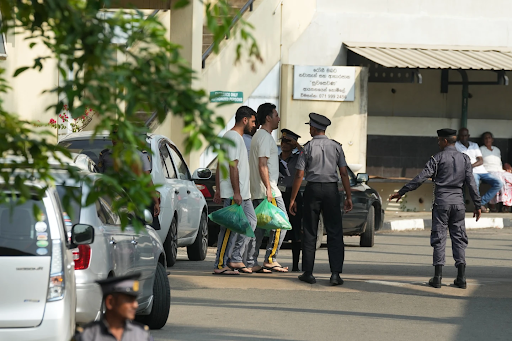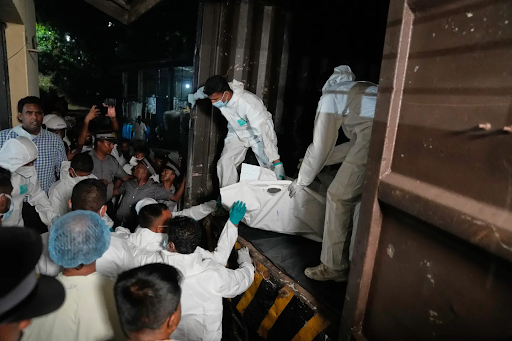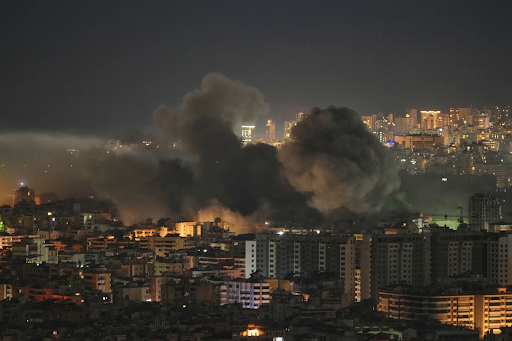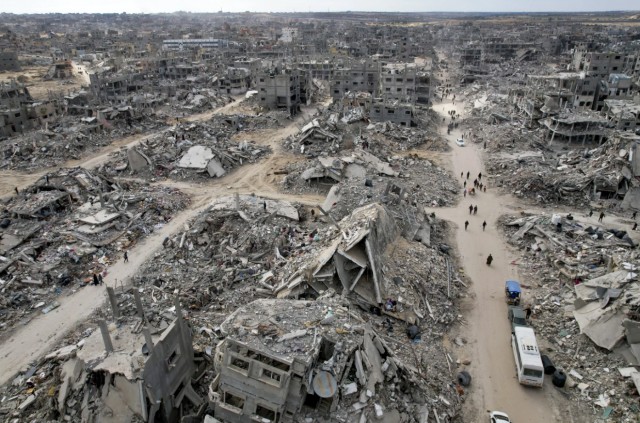
Displaced Palestinians return to Rafah, Gaza strip, Jun 20, 2025.
A growing chorus of experts and rights groups claim Israel’s war in Gaza amounts to genocide. The charge has fueled international outrage, strained diplomatic ties, and intensified debates over Israel’s conduct in the 23-month conflict.
Israel strongly denies the accusation. It argues its actions follow international law and insists Hamas sparked the war with its October 7, 2023, assault. That attack killed around 1,200 people in Israel and led to the abduction of 251, with dozens still held in Gaza.
Meanwhile, Gaza’s Health Ministry reports over 65,000 Palestinians killed, with women and children making up nearly half. The devastation has left Gaza in ruins and triggered famine conditions in several areas.
What Defines Genocide?
The 1948 Genocide Convention defines the crime as acts committed with intent to destroy, wholly or partly, a national, ethnic, racial, or religious group.
Such acts include mass killings, serious bodily or mental harm, and creating life-threatening conditions to bring about destruction.
This legal framework forms the heart of the current debate. Critics say Israel’s military campaign meets these criteria. Israel and its allies insist otherwise.
Experts and Rights Groups Use the Term
A recent report by experts commissioned by the U.N. Human Rights Council concluded Israel’s campaign in Gaza constitutes genocide. The team cited a “total siege,” widespread civilian casualties, and destruction of vital services.
Although the experts do not represent the U.N., their findings align with growing academic consensus. At least two dozen genocide scholars, including Holocaust expert Omer Bartov of Brown University, now use the term publicly.
Bartov initially rejected the label but reversed his stance after Israel’s takeover of Rafah displaced much of its population. He now calls it “a genocidal operation.”
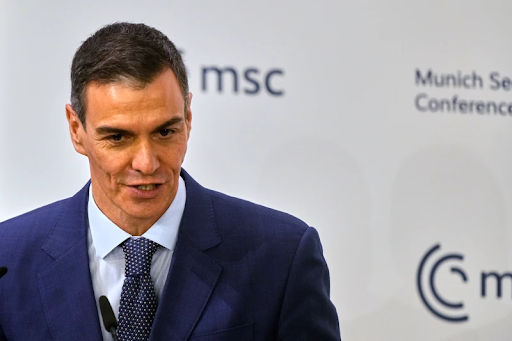
Prominent voices, including Spanish Prime Minister Pedro Sánchez and Amnesty International, also describe Israel’s actions as genocide. Human Rights Watch has accused Israel of intentionally depriving Gaza of water — an act it says fits the definition.
Even some Israeli human rights groups, respected abroad though marginalized at home, have adopted the term.
Israel Rejects Genocide Claims
Israeli leaders brand the allegations as antisemitic attacks on the nation’s legitimacy. They argue the military warns civilians before operations and accuses Hamas of using schools, hospitals, and homes as shields.
Prime Minister Benjamin Netanyahu has dismissed genocide claims, saying if Israel wanted, it could have carried it out “in one afternoon.” Other officials argue their intent is not destruction but defense against Hamas.
The Elie Wiesel Foundation and several Holocaust scholars also reject the term, warning that misuse of “genocide” undermines historical truth and fuels antisemitism.
Courts Hold the Final Say
Many governments and institutions stress that only international courts can determine genocide. U.N. Secretary-General António Guterres, the European Union, and Britain’s leaders echo this position.
South Africa has already brought Israel before the International Court of Justice (ICJ), accusing it of genocide. Several countries have joined the case. A ruling could take years, as prosecutors must prove Israel’s intent.
Even if South Africa wins, enforcement is limited. Only the U.N. Security Council can impose penalties, and the U.S. routinely shields Israel with its veto power.
Separately, the International Criminal Court (ICC) has issued arrest warrants for Netanyahu and Defense Minister Yoav Gallant. While they are accused of using starvation as a weapon of war, genocide charges are not included.
Mounting Global Pressure
Even nations not labeling Israel’s actions as genocide are signaling disapproval. Germany and the U.K. have restricted arms exports. The European Commission has discussed limiting trade. Protests, boycotts, and calls for Israel’s exclusion from cultural and sports events are growing.
Scholars note that beyond courts, the label of genocide carries immense political and cultural weight. Once tied to such a crime, a country may never escape the shadow.
As the war grinds on, the central question remains: is Israel defending itself, or committing one of history’s gravest crimes?