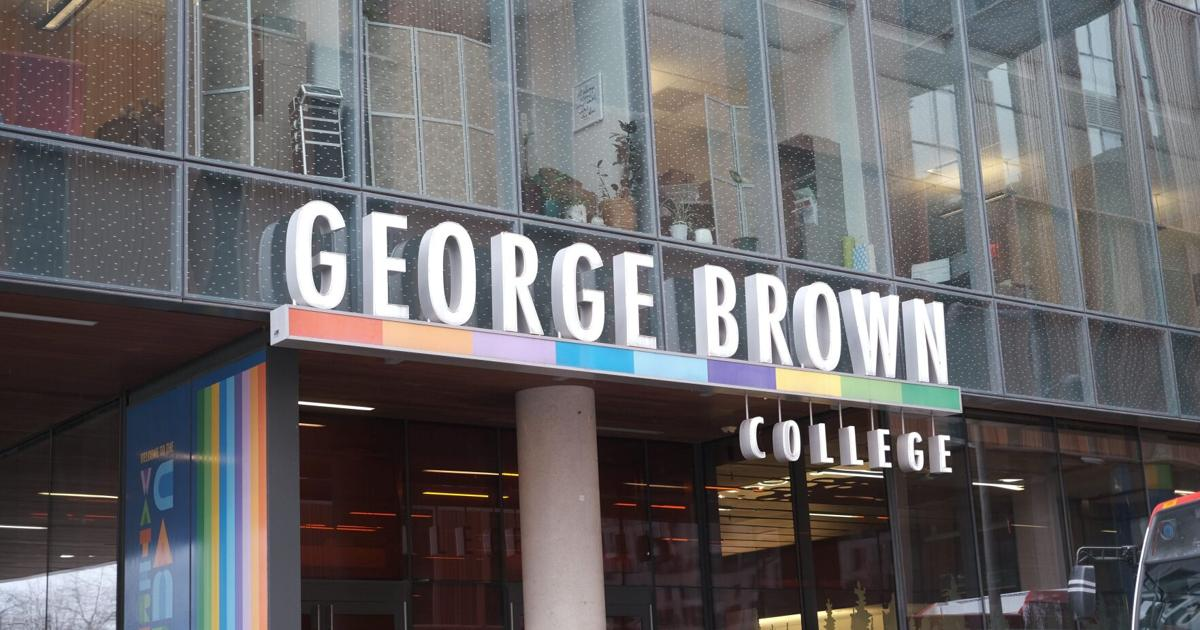
George Brown ranks among Ontario’s biggest publicly funded colleges, enrolling around 30,000 full-time students. Toronto Star
George Brown College is taking on a new identity to stand out in Ontario’s competitive education landscape. The Toronto-based school will now be known as George Brown Polytechnic, marking a major step in its evolution as one of the province’s largest postsecondary institutions.
The official announcement is set for Thursday morning, confirming the change that reflects the school’s expanding range of programs and growing focus on applied learning.
President Gervan Fearon said the new name better represents the institution’s strengths. “Being known as a college no longer speaks to the full scope of what we do,” he said. “This name change allows us to show learners and employers that we offer both training and real-world experience through our work-integrated and co-op programs.”
Part of a Larger Trend
George Brown becomes the third Ontario college in two years to embrace the polytechnic title, joining Seneca Polytechnic and Humber Polytechnic. The change comes during a difficult time for colleges across the province, which have been hit hard by job losses, declining enrolment, and program closures following federal cuts to international study permits.
Seneca explained its name change as an effort to highlight its combination of “academic rigour, professional skills, and workplace exposure.” The term “polytechnic,” it said, helps distinguish public institutions from private career colleges that also use the word “college,” often confusing students.
Expanding Programs and Opportunities
George Brown Polytechnic serves about 30,000 full-time students and is known for strong programs in culinary arts, design, early childhood education, and construction management. It already offers two-year diplomas, one-year certificates, and several four-year bachelor’s degrees. The school also conducts applied research and partners closely with industry.
As part of its rebranding, George Brown announced plans to launch its first applied master’s degree in construction management, set to begin in September 2026. The new program will focus on practical leadership and technical skills needed in Canada’s growing building industry.
Challenges in Higher Education
Ontario’s college sector continues to face financial challenges. After the federal government reduced the number of study permits for international students by over a third in 2024, many colleges announced layoffs and course cancellations.
According to mediator William Kaplan, more than 8,000 staff positions have been lost and over 600 programs closed or suspended at Ontario colleges. These cuts have also affected institutions across the country, leading to uncertainty for educators and students alike.
Despite these struggles, education leaders see hope in the polytechnic model. Sarah Watts-Rynard, chief executive of Polytechnics Canada, said larger institutions are using the change to highlight their stability and research capabilities. “These are institutions that have started to say we need to stand out in a very crowded field,” she said.
Looking Ahead
Dr. Fearon said the school will gradually update its signage and materials over the next few years, keeping costs within its existing budget. He added that the new name signals both continuity and progress for the school, which remains proud of its history.
The college is named after George Brown, founder of The Toronto Globe newspaper in 1844 — a publication that later evolved into The Globe and Mail.
With its new name, George Brown Polytechnic aims to build on that legacy while preparing students for a changing economy.