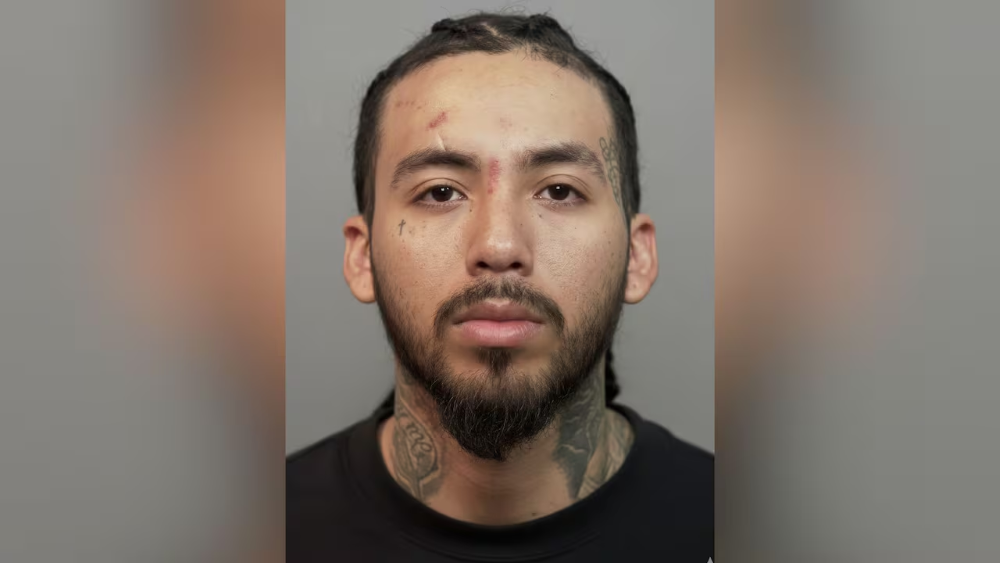
Ghislaine Maxwell is widely known for her close association with financier Jeffrey Epstein, whose crimes sparked international attention. The Guardian
Ghislaine Maxwell refused to answer questions from U.S. lawmakers on Monday, invoking her Fifth Amendment right against self-incrimination during a planned interview tied to the investigation into Jeffrey Epstein.
Lawmakers arranged the questioning through a video call with the federal prison camp in Texas where Maxwell is serving a 20-year sentence for sex trafficking. She once held a close personal and professional relationship with Epstein, the wealthy financier who abused underage girls for years.
Renewed focus on Epstein network
The interview formed part of a broader effort by lawmakers to understand how Epstein managed to carry out abuse for so long while maintaining powerful connections. Investigators continue to search for people who may have helped or enabled his actions.
As part of this effort, lawmakers also began reviewing unredacted Epstein-related records released by the U.S. Justice Department under a law passed by Congress last year. The documents aim to shed light on who knew what, and when.
Maxwell challenges her conviction
Maxwell continues to fight her conviction, arguing that the court wrongly found her guilty. Although the Supreme Court rejected her appeal last year, it later asked a federal judge in New York to review claims from her legal team that “substantial new evidence” shows her trial violated constitutional rights.
Her lawyer cited that ongoing legal effort as one reason she refused to answer questions during Monday’s session.
Statements spark political debate
According to lawmakers who attended the closed-door meeting, Maxwell’s lawyer said she would be willing to testify that neither Donald Trump nor former president Bill Clinton committed wrongdoing in their connections to Epstein.
Some Democrats said those comments aimed to win favour with Trump, who holds the power to grant a presidential pardon.
“It’s very clear she’s campaigning for clemency,” said Melanie Stansbury.
Frustration among committee leaders
The chair of the House Oversight Committee, James Comer, expressed disappointment over Maxwell’s refusal to testify. “Very disappointing,” he said, noting that the committee hoped her testimony would help answer long-standing questions.
The committee subpoenaed Maxwell last year. Her legal team repeatedly warned that she would not respond to questions, but Comer moved forward with the interview anyway.
Pressure mounts on other witnesses
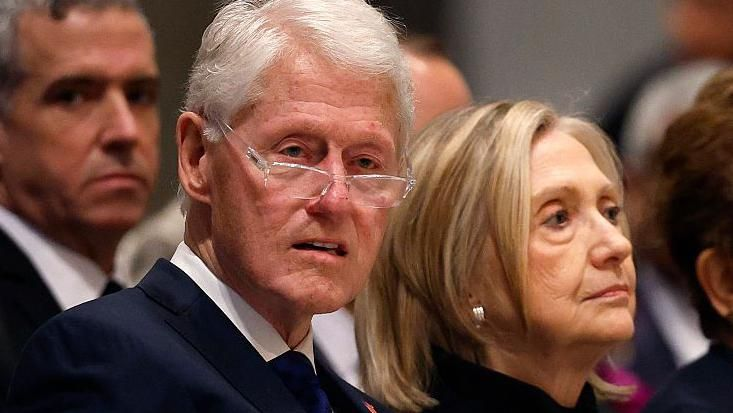
Comer has also pushed to enforce subpoenas against Bill Clinton and former secretary of state Hillary Clinton. After Comer threatened contempt of Congress charges, both agreed to appear for depositions later this month.
Lawmakers say they remain committed to uncovering the full scope of Epstein’s network and understanding how powerful figures failed to stop the abuse.
Despite Monday’s setback, committee members say the investigation will continue, with document reviews and future depositions expected to play a key role.