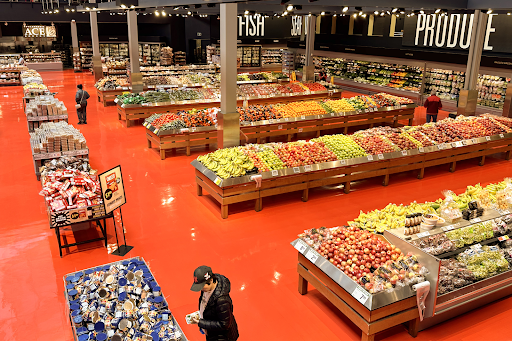
Customers shop in the produce aisle of a Toronto grocery store in May 2024, as Canada prepares to introduce its first grocery code of conduct in January. The Canadian Press
A new set of rules for Canada’s grocery industry will begin January 1. Karen Proud will oversee enforcement. She serves as president and adjudicator of the office behind the grocery code of conduct. She took the role earlier this year. She says the task ahead is large.
“It is a big job,” Ms. Proud said.
The code aims to reduce long-running disputes between grocery retailers and suppliers. Many in the industry hope the rules will restore fairness and trust.
Why the Code Was Created
For years, suppliers have raised concerns. They say large grocery chains hold too much power. They complain about extra fees and penalties. Some call these charges unfair or sudden.
Tensions grew during the pandemic. Several major retailers raised supplier fees at that time. Suppliers pushed back strongly. Retailers, however, accused suppliers of unjustified price hikes.
Smaller retailers also voiced concerns. Some said suppliers filled large chain orders first. That left smaller stores short of products.
“I think it’s fair to say there has been an erosion in the relationships in some sectors, between suppliers and their retailers,” Ms. Proud said.
Industry Conflict Ran Deep
Industry leaders have openly criticized these strained ties. In 2020, a senior grocery executive described the sector’s relationships in harsh terms. He said some practices were “repugnant.”
Despite broad agreement on the need for change, progress took time. Industry players debated the rules for years. The government warned it would step in if talks failed.
Who Has Signed On
More than 120 companies have now agreed to follow the code. Major retailers have joined. Empire was the first large chain to sign. Loblaw, Metro, and Costco Canada followed this month. Walmart Canada plans to join by January 1.
Many suppliers also signed. These include large food brands and smaller producers. Independent retailers have joined as well.
Ms. Proud says honesty will guide enforcement. “We will be brutally honest, as an independent office, in saying whether this works or not,” she said.
Will Shoppers See Lower Prices?
The code does not target grocery prices directly. Food costs remain a major concern. While inflation has slowed, grocery bills remain high. Experts expect food prices to rise again in 2026.
A recent study predicted a four to six per cent increase. That could add nearly $1,000 a year for a family of four.
Ms. Proud says the code may help shoppers in other ways. She believes fairer treatment will help smaller suppliers succeed. That could bring more choice to store shelves.
Long-Term Economic Effects
Ms. Proud also sees wider benefits. She says stable rules may encourage investment. Large companies may invest more in Canada. That could strengthen the economy.
“It’s always good when you have investment in Canada,” she said. “It’s good for the business, it’s good for the country.”
Learning From Other Countries
Canada based the code partly on systems abroad. Australia and the United Kingdom use similar models. Canada’s approach differs. It applies to both retailers and suppliers.
A former British adjudicator warned of challenges. She said trust takes time. Suppliers often fear speaking up. She stressed outreach matters.
Ms. Proud says her office allows anonymous reporting. Companies can flag problems quietly. Formal complaints will remain rare.
She admits the code will not fix everything. But she expects progress.
“There are some behaviours that the code will address,” she said. “That should make it more predictable, more transparent.”