The cost of food in the US increased significantly amid the Covid-19 pandemic and the steep inflation that followed.
Grocery prices in the United States have been on a rollercoaster ride over the last few years. From the Covid-19 pandemic to supply chain disruptions and extreme weather, Americans have seen the cost of everyday food items rise, fall, and rise again.
Egg Prices Drop After Early Surge in 2025
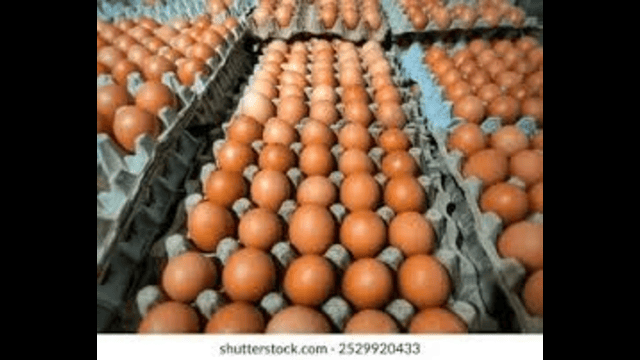
Eggs have been among the most volatile grocery items. In May 2025, the average price of a dozen eggs dropped to $4.55. That’s an 11% decrease from April. However, the annual rolling average still stands at $4.23. Earlier in the year, prices spiked due to the avian flu outbreak, which impacted egg production nationwide. This caused a temporary surge in egg costs, frustrating consumers already dealing with high grocery bills.
Coffee Costs Continue to Climb
Unlike eggs, coffee prices haven’t shown signs of easing. For several months now, coffee has been on a steady price climb. The primary reason: extreme weather conditions affecting coffee-producing countries. Droughts and floods have impacted global coffee supply, and American consumers are paying the price. This trend is unlikely to reverse soon, especially as climate-related challenges persist across the globe.
Food Inflation Easing, But Not Gone
Despite the recent fluctuations in some products, overall food inflation is cooling down. According to data tracked by government economists, food prices have largely stabilized compared to the pandemic peak. The measure used is a subset of the Consumer Price Index (CPI), focusing specifically on "food at home"—the groceries people buy and cook themselves.
This indicator shows that while some food items remain unpredictable, the general cost trend has settled into more familiar territory. Price increases are no longer as steep or erratic as they were during the height of the pandemic or the immediate inflation surge that followed.
Trade Policies Stir Additional Concerns
Another layer of uncertainty comes from global trade dynamics. Former President Donald Trump’s ongoing tariff policies continue to cast a shadow over the prices of essential household items. Tariffs have the potential to increase costs for imported goods, including ingredients used in common food products. While not directly causing price spikes yet, this could lead to future increases in grocery bills, especially if the trade environment becomes more restrictive.
What Grocery Shoppers Can Expect Next
Looking ahead, prices for some basic grocery items may remain unstable. Eggs, for example, are susceptible to further disease outbreaks, while coffee will likely continue reacting to unpredictable climate patterns. However, most food categories are expected to maintain their current levels, with only minor adjustments over time.
CNN continues to monitor grocery price trends across various categories. From eggs and coffee to bread and milk, the network provides updated monthly tracking on how prices change. This helps consumers understand where their money is going and which products are experiencing the most fluctuation.
Conclusion: Navigating Grocery Costs in 2025
Grocery shopping in 2025 is a mix of stability and surprise. While broad inflation is calming down, specific items like eggs and coffee are still experiencing shocks. External factors—ranging from climate issues to trade tensions—continue to influence these trends. But with careful monitoring and informed choices, consumers can better manage their grocery budgets in this evolving economic landscape.