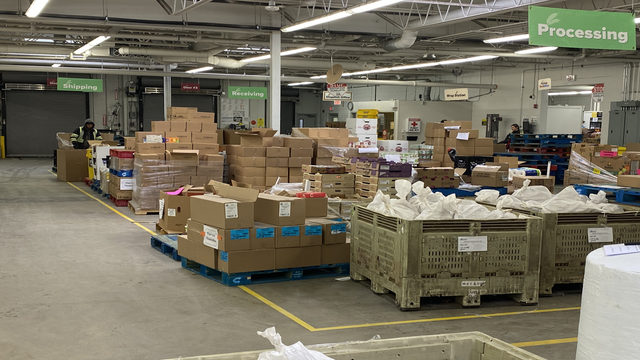
Harvest Manitoba’s warehouse.
Manitobans are cautiously welcoming a planned increase in the federal GST rebate.
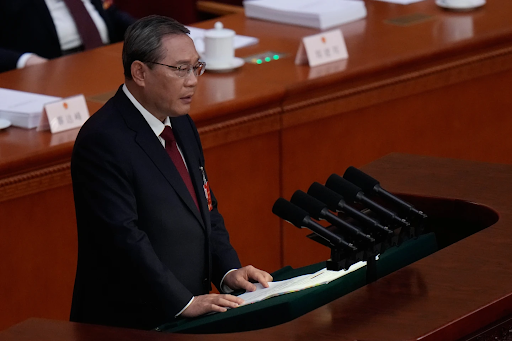
Prime Minister Mark Carney says the move will help families manage rising inflation pressures.
The announcement confirms GST rebate payments will grow by 25 per cent over five years.
A one-time 50 per cent top-up will also be issued in June this year.
The federal government estimates nearly 12 million Canadians will benefit nationwide.
While the GST rebate boost brings relief to some, many Manitobans remain excluded.
Rising food and housing costs continue to affect households across income levels.
Relief for Seniors and Low-Income Households
Seniors and low-income earners have largely welcomed the GST rebate increase.
Many say the added support will help cover groceries and basic household needs.
Food security advocates also see the GST rebate as a positive step.
They argue the benefit targets Canadians facing the most financial stress.
Harvest Manitoba president Vince Barletta says demand for food banks keeps rising.
He notes the need for food support has reached historic levels across the province.
Food Bank Demand Reflects Economic Pressure
Barletta says food bank users come from diverse backgrounds today.
Families with children now make up a significant share of visitors.
Many users are also employed but still struggle with rising living costs.
Barletta says more than one-third of food bank users in Manitoba have jobs.
Seniors on pensions and people with disabilities are also increasingly affected.
He believes the GST rebate structure will capture many vulnerable groups.
Barletta says the GST rebate boost supports those most likely to need immediate help.
However, he acknowledges inflation continues to impact all Canadians.
Critics Question Long-Term Impact
Not everyone supports the federal approach to easing food insecurity.
The Canadian Taxpayers Association has criticized the GST rebate boost.
The organization argues the policy offers short-term relief only.
It says the move does not address the root causes of rising living costs.
Federal director Franco Terrazzano says tax reductions would deliver broader relief.
He argues all Canadians pay too much in taxes already.
Terrazzano says Canadians face multiple taxes at different government levels.
He claims the average household spends about 40 per cent of income on taxes.
In his view, reducing taxes would help more Canadians manage inflation pressures.
What the GST Rebate Boost Means
Currently, a family of four receives about $1,100 annually through the GST credit.
With the new boost, that family could receive up to $1,890 this year.
Over the following four years, annual payments would average around $1,400.
The June top-up provides immediate relief for eligible households.
The federal government says the GST rebate boost targets those most affected by inflation.
Officials describe it as a focused measure rather than a universal benefit.
Manitoba Premier Backs the Move
Manitoba Premier Wab Kinew has voiced support for the GST rebate increase.
He endorsed the measure during an unrelated news conference on Monday.
Kinew said any step helping families afford food deserves support.
He emphasized the importance of immediate relief during economic uncertainty.
As inflation remains stubborn, debate continues over the best path forward.
For now, the GST rebate boost offers relief for some, but not all, Manitobans.