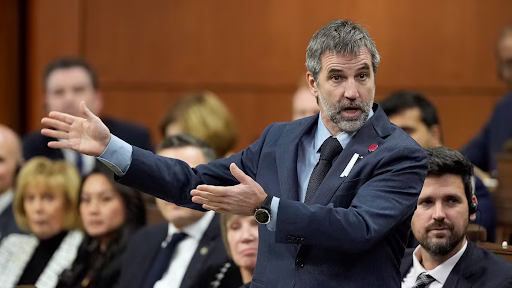
A source says Canadian Identity and Culture Minister Steven Guilbeault will leave cabinet after Ottawa signed Thursday’s agreement with Alberta. The Canadian Press
Liberal MP Steven Guilbeault stepped away from cabinet after Ottawa and Alberta agreed on a plan for a new bitumen pipeline to the B.C. coast. The Quebec MP said the deal crossed a line he could not ignore. He released a long statement on social media explaining his choice and outlining his concerns.
Guilbeault Explains His Stand
“I chose to enter politics to champion the fight against climate change and the protection of the environment,” he wrote. He said environmental issues still guide his decisions. He stressed that he could not support the memorandum of understanding signed earlier in the day.
Guilbeault had been serving as minister of official languages, minister of Canadian identity and culture, and the prime minister’s Quebec lieutenant. He thanked Prime Minister Mark Carney for the chance to serve in cabinet but said he must honour his principles. He will remain a Liberal MP.
A Major Deal with Alberta
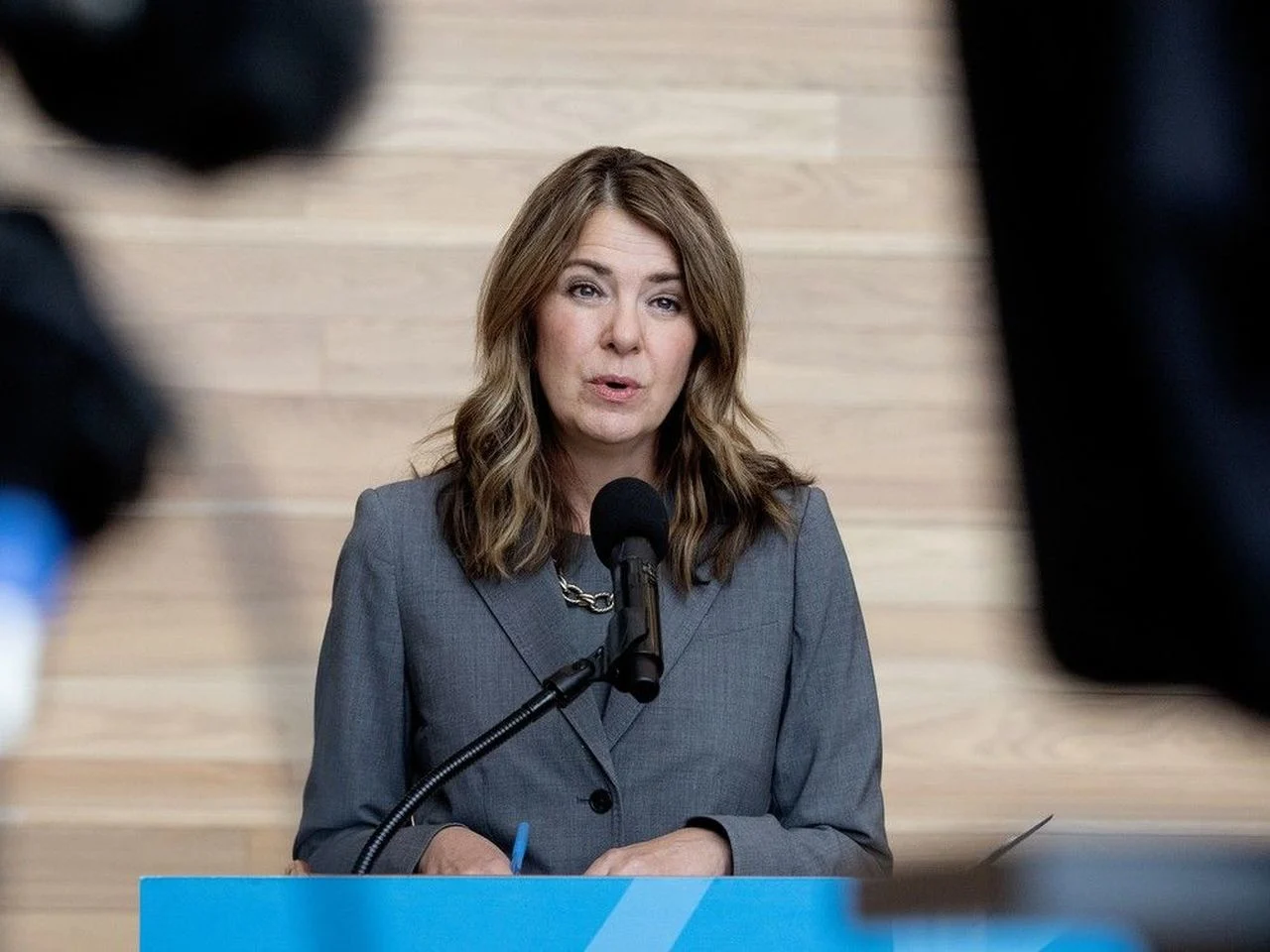
Prime Minister Mark Carney and Alberta Premier Danielle Smith signed the agreement in Calgary. It outlines how the federal government will support a new pipeline that will move one million barrels of oil a day to a Pacific export terminal. Much of that oil is expected to go to Asian buyers.
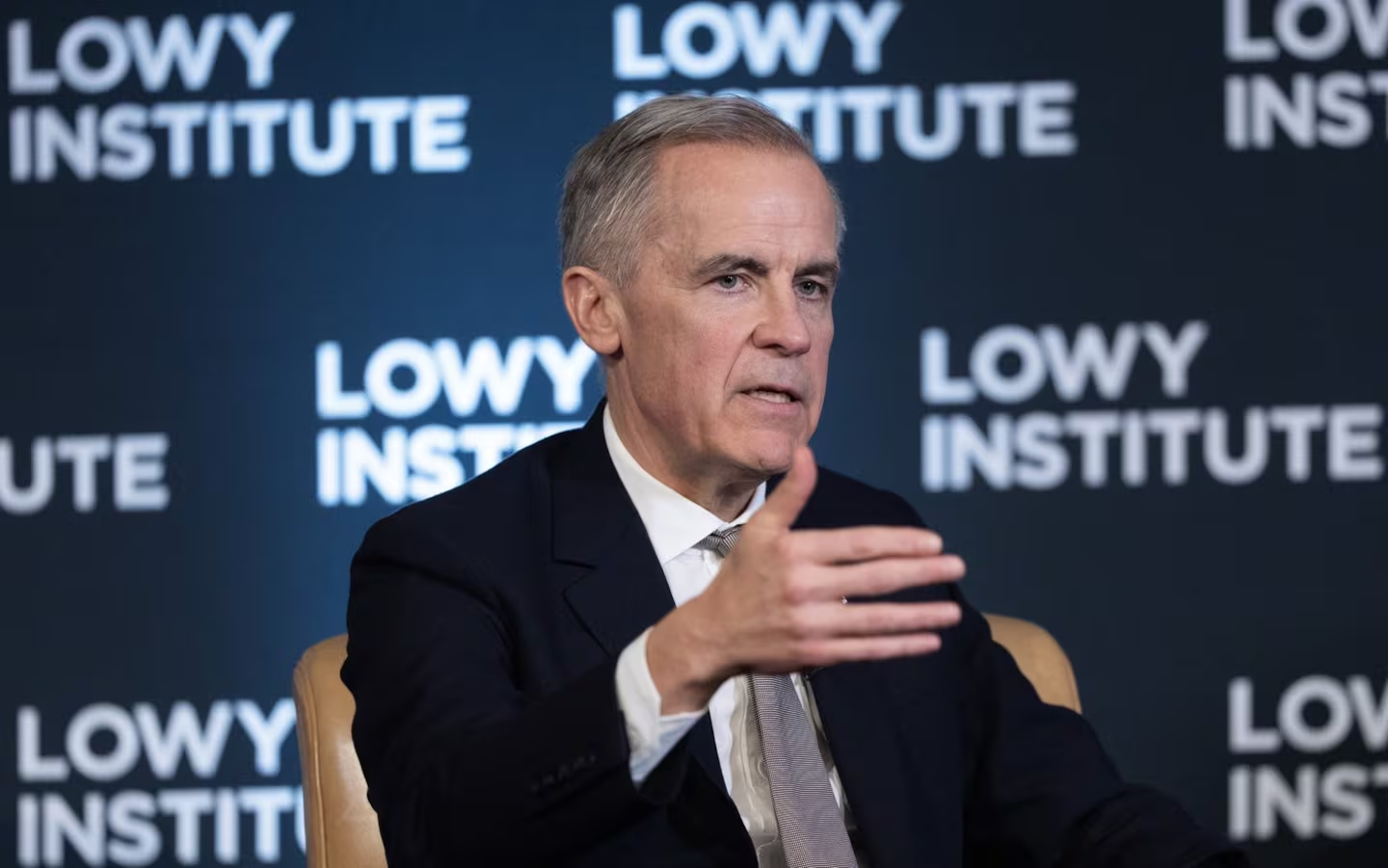
Carney described the agreement as “an example of co-operative federalism; we’re agreeing in partnership and in a spirit of trust.”
Guilbeault’s Environmental Concerns
Guilbeault said he respected Carney’s focus on unity and the importance of giving all regions a voice. But he said the agreement raised deep environmental concerns. Under the deal, Ottawa will suspend the federal emissions cap for the oil and gas sector. It will also remove Alberta’s obligations under the Clean Electricity Regulations. Both measures were introduced while Guilbeault served as environment minister.
He also noted that parts of the broader climate plan he worked on have been rolled back. “In my view, these measures remain essential to our climate action plan,” he wrote. He said he entered politics because he believed he could help protect the planet, and those beliefs remain firm.
Carbon Price and Future Goals
Ottawa and Alberta agreed to raise the province’s industrial carbon price from $95 a tonne to at least $130 a tonne. The federal government had previously pushed for $170 a tonne by 2030. Both sides said they remain committed to reaching net-zero emissions by 2050.
When asked if the deal would be enough to keep Guilbeault in cabinet, Carney said, “It’s enough for the government of Canada. I’m the prime minister, my role is to make decisions in the interest of Alberta and Canada.”
Reaction Across Party Lines
Members of Carney’s caucus expressed respect for Guilbeault’s contributions. Carney later thanked him for his “counsel and consultations.” Alberta’s government reacted differently. Alberta Justice Minister Mickey Amery called the news “incredibly good,” drawing applause from the governing benches.
A Long History in Environmental Advocacy
Before entering politics in 2019, Guilbeault co-founded Équiterre and worked with Greenpeace. He became known for dramatic protests, including climbing the CN Tower in 2001 to raise awareness about climate change. He also once took part in a Greenpeace action that placed solar panels on then-premier Ralph Klein’s roof.
Green Party Leader Elizabeth May said his departure from cabinet showed the climate file needed stronger voices. She encouraged him to join her party, saying, “We can get better with more Liberal MPs standing up for climate.”