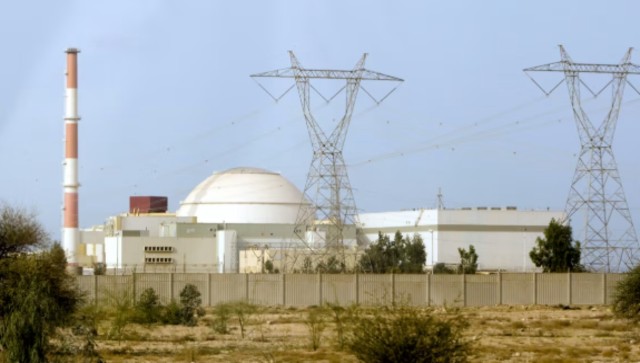
The reactor at the nuclear power plant in Bushehr, 1,200 kilometers (746 miles) south of Tehran, in 2009.
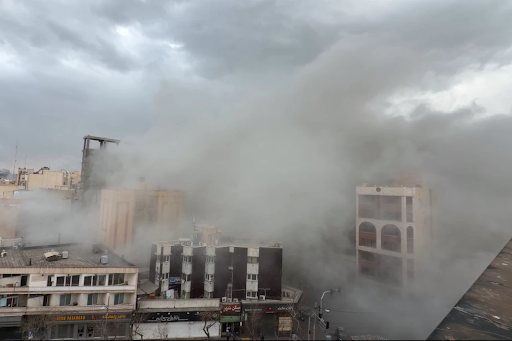
Tensions are climbing across Gulf Arab states as fears of nuclear contamination and retaliation from Iran intensify. The anxiety stems from the growing possibility of Israeli or US strikes on Iran’s nuclear facilities—many of which lie just across the Persian Gulf.
With the Iranian nuclear threat looming large, Gulf nations are taking emergency precautions. From public safety campaigns to military preparedness, the region is bracing for the potential fallout—both environmental and political.
Emergency Preparations Sparked by Fear of Nuclear Contamination
Residents in Oman have begun circulating nuclear emergency instructions via messaging apps. People are being advised to stay indoors, avoid windows, and shut off ventilation systems to minimize radiation exposure. The tone of these messages signals how seriously the threat is being perceived.
Bahrain has taken visible action. The country tested nationwide sirens and readied 33 emergency shelters in anticipation of any fallout. Local media across the region are also publishing radiation safety guidelines, revealing just how widespread the concern has become.
Elham Fakhro, a fellow at Harvard Kennedy School and Bahrain resident, said fear is palpable. "Environmental contamination is the biggest concern," she noted, adding that fears also include Iranian retaliatory strikes on US military assets in Gulf nations.
Iran’s Nuclear Plant: A Regional Risk
The Bushehr nuclear power plant in southern Iran is geographically closer to Gulf Arab capitals than to Tehran itself. That proximity puts cities like Dubai, Doha, and Manama at high risk if the plant is damaged in a strike.
This nuclear vulnerability is more than just a theoretical concern. If radiation leaks into the Persian Gulf, it could contaminate the waters that nearly 60 million people depend on for drinking and sanitation.
Qatar’s Prime Minister warned that a hit on Bushehr could cripple water supplies. “The water would be entirely contaminated… No water, no fish, no life,” he said in an earlier interview. Qatar, along with Kuwait and the UAE, relies on desalination plants that draw from the Gulf. “We’d run out of water in three days,” he cautioned.
Political Fallout: Gulf States Urge Caution
Despite recent diplomatic efforts between Iran and its Gulf neighbors, tensions remain. Iran has issued veiled threats that any military action against its nuclear sites would prompt retaliation against US assets in the Gulf.
Bahrain, which hosts the US Naval Forces Central Command, could be a prime target. The Gulf Cooperation Council (GCC) has activated its Emergency Management Centre in Kuwait to coordinate regional responses and ensure environmental safeguards are in place.
The UAE’s Foreign Minister Sheikh Abdullah bin Zayed issued a stern warning, urging global powers to avoid “reckless actions” that could destabilize the entire region. Similarly, Qatar's foreign ministry expressed concern over “uncalculated” military decisions that could affect Gulf waters.
Business as Usual—But With an Edge of Unease
Despite the risks, life in cities like Abu Dhabi, Dubai, and Kuwait City continues. Gulf countries offer tax-free salaries, high living standards, and political stability—factors that have long attracted expatriates and global businesses.
Still, under the surface, anxiety simmers. “I’m not panicking, but I do feel uneasy,” said an American expat in Abu Dhabi. “If the US strikes Iran, we don’t know what could happen next.”
Another resident in Dubai echoed the sentiment. “I feel very safe here, but everyone is tense. The idea of war feels more real now.”
US Policy Shift Fuels Regional Concerns
Adding to the unease is a shift in US foreign policy. According to sources, former President Donald Trump is reportedly leaning toward a military strike on Iran’s nuclear infrastructure. Although he hasn’t ruled out diplomacy, his stance is raising alarm among Gulf states.
“I may do it, I may not,” Trump told reporters, leaving both allies and adversaries guessing.
The potential for conflict now looms larger than ever, with millions of Gulf residents watching closely—and worrying about what tomorrow may bring.