Canada is adding new warning labels to the front of some packaged foods. CTV
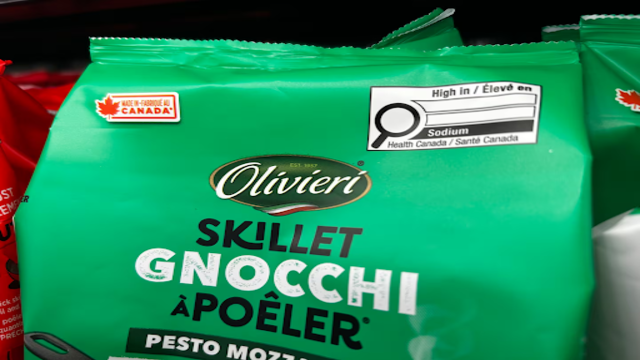
Shoppers may notice something new in grocery stores. Food labels that used to sit quietly on the back of packages are now moving front and center. This change is happening across Canada and it’s catching people’s attention.
“It’s already showing up at the store,” says Sylvain Charlebois, a food researcher.
Why food companies aren’t thrilled
Charlebois, who leads a food research lab, says companies aren’t excited about these front labels. “No manufacturer wants these labels on their package,” he explains. That’s because they highlight ingredients many people try to avoid—like salt, sugar, and unhealthy fats.
To avoid getting these labels, some companies are changing how they make their food. That might mean fewer unhealthy ingredients, which could lead to better options for shoppers.
Health Canada behind the move
The idea came from Health Canada. It introduced the rules in 2020 and gave companies four years to get ready. Now, the deadline is getting closer.
Starting January 1, 2026, most packaged foods must have these labels—if they contain more than 15% of the daily limit for sodium, sugar, or saturated fat.
What the new labels mean
If a product contains high levels of any of those three ingredients, it will need a label on the front warning people. These ingredients can lead to serious health problems, including:
- High blood pressure
- Obesity
- Type 2 diabetes
- Heart disease
- Stroke
- Some cancers
Health experts say these labels can help people make better decisions fast—especially when they're in a rush at the store.
Dietitians support the change
“It tells people what they really need to know,” says Laurie Barker-Jackman, a registered dietitian. She believes the labels are a good tool to raise awareness about what’s in our food.
One shopper, Kiah Henenke Flindall, says the new labels might change how she shops. “It might make me stop and think about what I’m buying,” she says.
But Barker-Jackman also says there’s no need to avoid all foods with these labels. “It’s fine to eat them sometimes. Just don’t make them your regular choice,” she explains.
Some foods are exempt
Not every product will get these new labels. Items like plain milk, yogurt, and cheese are exempt because they contain important nutrients like calcium.
Experts still have questions
While most experts support the move, Charlebois raises a concern. He wonders if companies will swap out sugar or fat for something else that’s not healthy. “If they reduce sugar, are they adding something worse?” he asks.
Deadline coming soon
Food companies have until the start of 2026 to follow the new rules. Until then, shoppers will keep seeing more of these new labels pop up.