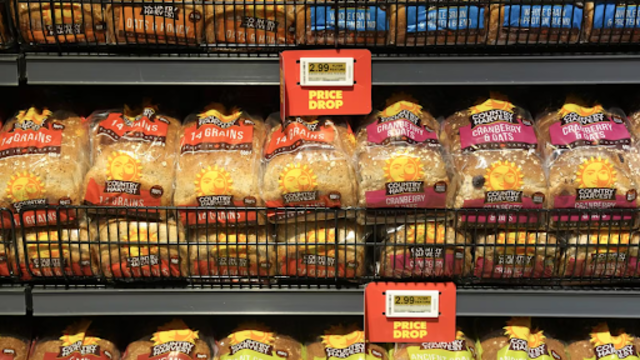
Price-cut signs for bread were displayed at a No Frills grocery store in Toronto on Thursday, May 30, 2024. CTV
A new study from Laval University has revealed a worrying truth about grocery prices in Canada. Foods that are high in sodium and sugar often cost much less than healthier choices. The finding raises concern that healthy eating may remain out of reach for many Canadians struggling with food costs.
High Cost of Healthy Choices
Lead researcher Isabelle Petitclerc, a PhD candidate in nutrition, said the results show how unequal access to nutritious food can be. “Someone who has the means can perhaps afford to make changes to the foods they’re used to eating and opt for something that may be a little more expensive but is more nutritious, but we know that’s not the case for everyone,” she said.
Petitclerc hopes the research will push decision-makers to take action against rising food prices and the health inequalities they cause.
How the Study Was Conducted
The research, published in Public Health Nutrition in August, looked at more than 2,000 food products commonly found on grocery store shelves. The team used Health Canada’s upcoming “high-in” nutrition label system to identify foods high in sodium, sugar, or saturated fat.
Five main food categories were studied: sliced bread, breakfast cereals, snack foods, processed cheeses, and cookies and crackers.
Findings: Sugar and Salt Sell Cheap
The team discovered that within these categories, the cheapest options were almost always those high in sodium or sugar. “In the categories of food that we looked at, it was the products that were high in sugar and sodium that were often the cheapest in their food category,” Petitclerc explained.
She said the result was not surprising, since sugar and salt are low-cost ingredients for manufacturers.
However, one exception stood out. Processed foods high in saturated fat—such as those made with butter or coconut oil—tended to cost more because of their expensive ingredients.
Health Canada’s “High-In” Labels Coming Soon
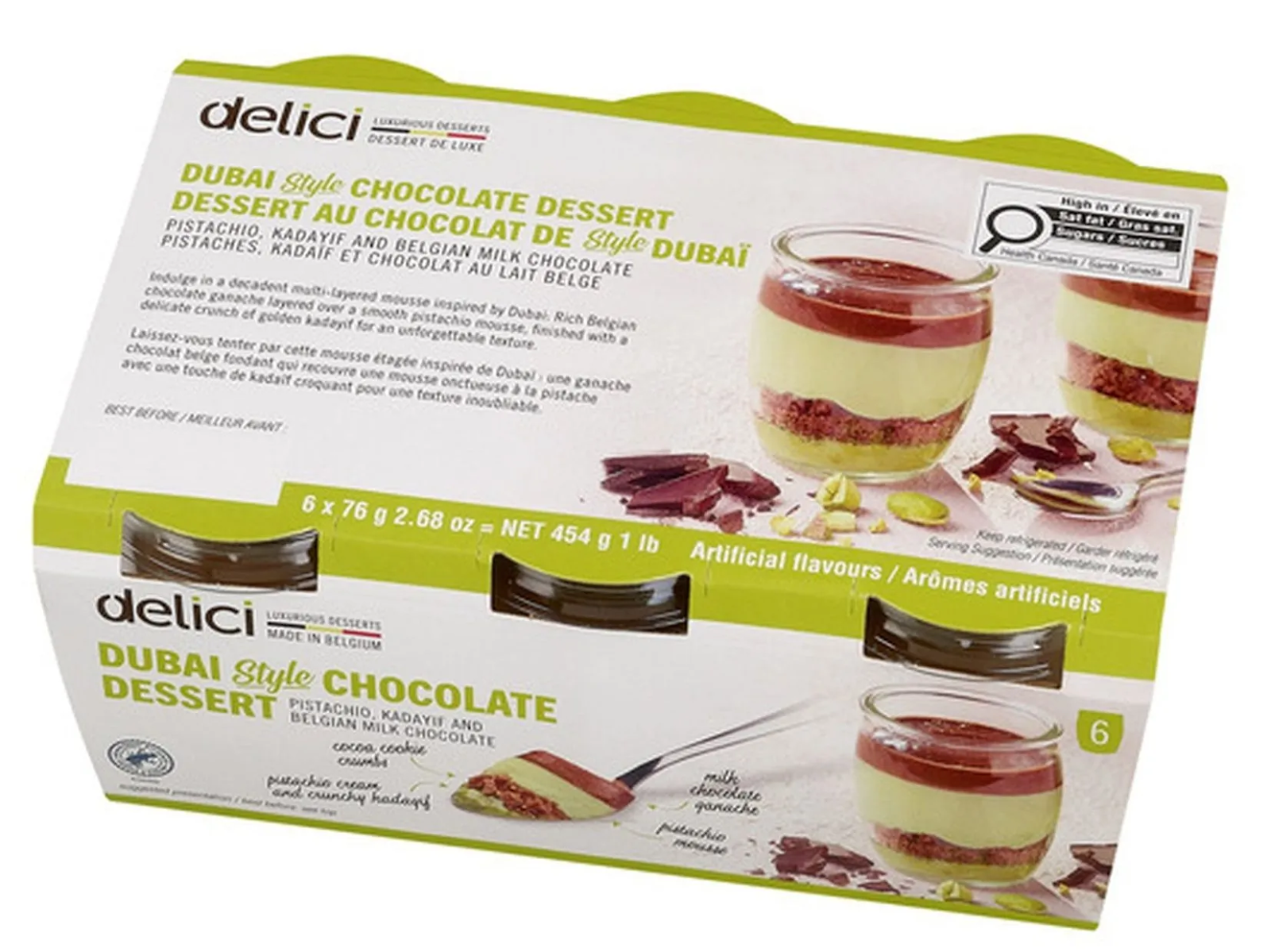
Beginning next year, Health Canada will require warning labels on packaged foods that contain high levels of sodium, sugar, or saturated fat. The aim is to help Canadians make more informed choices and reduce health risks like obesity, heart disease, and Type 2 diabetes.
Some grocery items already display these “high-in” labels ahead of the full rollout.
What Comes Next
Petitclerc plans to continue her work to understand how food prices affect eating habits. She wants to see whether companies will reformulate their products to avoid having warning labels and how those changes might affect prices.
“This adds another challenge in terms of pricing, because we know that any modification comes at a high cost for companies,” she said. “We also want to see if foods that were modified are perhaps a little more expensive than they were before.”
She added that future studies could explore ways to make healthy food more affordable. Possible solutions include offering food coupons to low-income families or placing taxes on highly processed products.