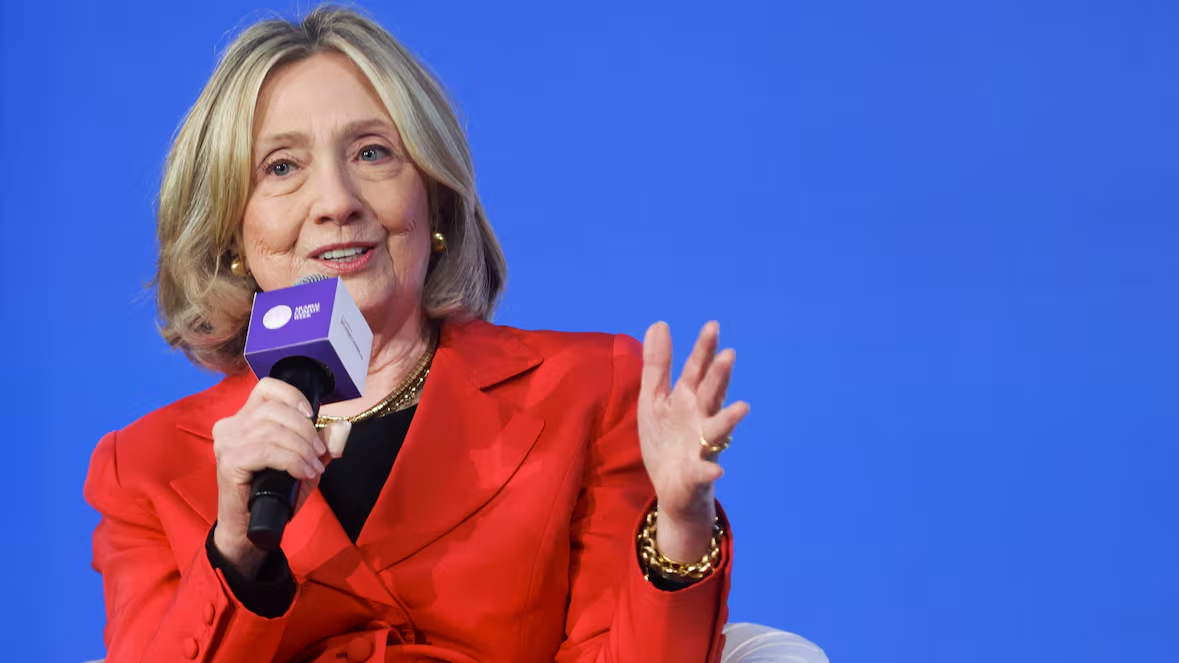
Former U.S. Secretary of State Hillary Clinton, pictured on Feb. 18 during Mumbai Climate Week in India, initially resisted appearing before the House committee. She agreed to testify after members warned they could move forward with contempt of Congress charges. (Reuters)
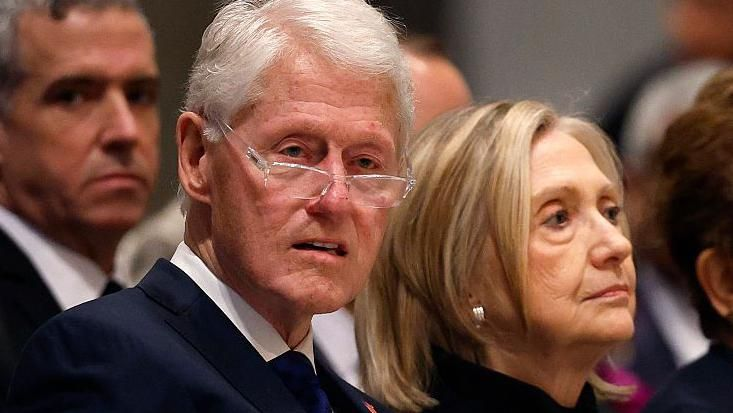
Former U.S. Secretary of State Hillary Clinton appeared before members of the House Oversight Committee for a closed-door deposition linked to the Jeffrey Epstein investigation. After several hours of testimony, she spoke briefly to reporters, expressing frustration that the session took place in private.
Clinton said the hearing should have occurred in public view. She also stated that she believes her husband, former President Bill Clinton, had no knowledge of Epstein’s crimes. Lawmakers will question Bill Clinton separately.
Democrats Call Session Unproductive
Several Democratic members of the committee described the session as unhelpful. They said they did not gain new insight into Epstein’s actions from Clinton’s testimony.
Representative Suhas Subramanyam noted that Bill Clinton’s name appears in previously released documents. He suggested that Friday’s questioning of the former president could raise additional points.
“Did he visit the island, did he not visit the island? I think there’s more to talk about tomorrow,” Subramanyam said. “Will it further our investigation significantly? I don’t know. Maybe, maybe not.”
The committee continues its review of Epstein’s connections and activities, focusing on individuals who may have had contact with him.
Iran Tensions Remain in Focus
In a separate development, Navy Admiral Brad Cooper, who commands U.S. Central Command, met with President Donald Trump to discuss potential military options involving Iran. General Dan Caine, Chairman of the Joint Chiefs of Staff, also attended the briefing, according to a source familiar with the meeting.
The discussion comes amid ongoing diplomatic efforts. U.S. officials recently held talks with Iranian representatives in Geneva. While both sides reported signs of progress, no major agreement emerged.
Vice President JD Vance addressed public concern about possible U.S. involvement in a wider Middle East conflict. Speaking in Wisconsin, he dismissed the idea of a lengthy war.
“The idea that we’re going to be in a Middle Eastern war for years with no end in sight — there is no chance that will happen,” Vance said.
He added, “I think we all prefer the diplomatic option. But it really depends on what the Iranians do and what they say.”
Vance, who served in the Marines and worked as a combat correspondent in Iraq, emphasized caution while supporting the administration’s approach. He defended Trump’s leadership and described him as focused on American interests.
“He pursues policies that work for the American people,” Vance said. “I do think we have to avoid repeating the mistakes of the past. I also think that we have to avoid overlearning the lessons of the past. Just because one president screwed up a military conflict doesn’t mean we can never engage in military conflict again. We’ve got to be careful about it, but I think the president is being careful.”
Ukraine Talks Continue
Diplomatic discussions regarding Ukraine also remain active. Ukrainian President Volodymyr Zelensky said representatives from Ukraine, Russia and the United States will likely meet next month in the United Arab Emirates for another round of talks.
Earlier in the day, U.S. officials met separately with Ukrainian and Russian representatives in Geneva. Those meetings focused on efforts to ease tensions and explore possible steps toward stability.
As global issues unfold, congressional investigations and foreign policy discussions continue to draw attention in Washington.