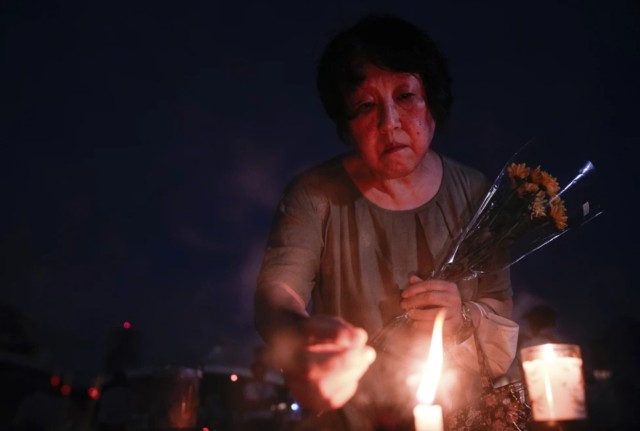
A visitor lights incense sticks at the Peace Memorial Park ahead of the memorial service to mark the 80th anniversary of the WWII U.S. atomic bombing in Hiroshima, Wednesday, Aug. 6, 2025, in Japan.
Hiroshima, Japan — On August 6, Hiroshima solemnly marked the 80th anniversary of the atomic bombing that killed 140,000 people in 1945. Survivors, now in their late 80s and 90s, gathered at the Peace Memorial Park, not just to remember but to warn the world of a growing nuclear threat.
As the sun rose, survivors, their families, and global dignitaries paid tribute to the victims. A minute of silence was observed at 8:15 a.m., the exact moment the U.S. dropped the bomb.
Survivors Fear Their Stories Will Die With Them
Minoru Suzuto, 94, knelt at the cenotaph, his eyes filled with emotion. "In 10 or 20 years, no one will be left to tell this story," he said. With most survivors now over 86 years old, this anniversary felt especially urgent.
Hibakusha (bomb survivors) have long warned that their experiences must not fade into history. Their message is clear: nuclear weapons must be abolished.
Global Nuclear Support Deepens Survivors’ Concern
While Hiroshima remembers, the world arms itself. Many survivors are disheartened by growing international support for nuclear weapons as deterrents. Hiroshima’s mayor, Kazumi Matsui, warned against this dangerous trend.
“These developments ignore the painful lessons of the past,” Matsui said during his speech. “They threaten peacebuilding efforts made over decades.”
He urged younger generations to reject policies that normalize nuclear weapons. He emphasized the human cost, saying these weapons could bring about "utterly inhumane" consequences.
55,000 Attend Ceremony Amid Worldwide Tensions
This year’s ceremony welcomed a record 120 countries and regions, including representatives from Russia and Belarus. Japanese Prime Minister Shigeru Ishiba and other officials laid flowers at the cenotaph. White doves, symbols of peace, soared into the sky following the mayor’s remarks.
Despite the symbolic gestures, many survivors criticized Japan's government for its ongoing support of U.S. nuclear deterrence. “We do not need nuclear weapons,” said Kazuo Miyoshi, a 74-year-old retiree who lost family members in the bombing.

Visitors observe a minute of silence for the victims of the atomic bombing, at 8:15am, the time atomic bomb exploded over the city, at the Hiroshima Peace Memorial Park during the ceremony to mark the 80th anniversary of the bombing in Hiroshima, western Japan, Wednesday, Aug. 6, 2025.
Survivors Slam Nuclear Justifications and Political Silence
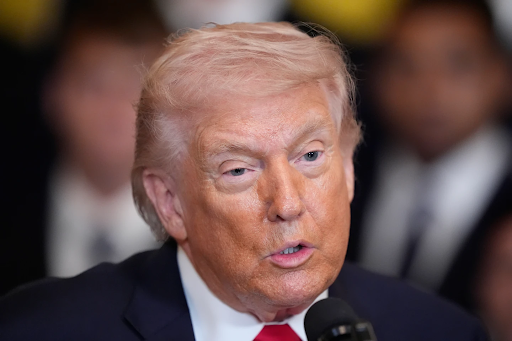
Some survivors expressed outrage over recent global events. They criticized former U.S. President Donald Trump’s comparison of a military strike on Iran to the Hiroshima bombing. The Japanese government's muted response added to their frustration.
“It’s ridiculous,” said 79-year-old Kosei Mito, who was exposed to radiation while still in his mother’s womb. “As long as the bombing is justified, nuclear abolition will remain a dream.”
U.N. and Vatican Join Calls for Peace
In a message read at the event, U.N. Secretary-General António Guterres said, “There is hope.” He praised the Nobel Peace Prize-winning survivors’ group Nihon Hidankyo for its efforts and emphasized that remembering the past is essential to protect the future.
Pope Leo XIV also weighed in. From the Vatican, he prayed that Hiroshima’s anniversary would inspire global commitment to peace.
Japan’s Stance Sparks Debate
Prime Minister Ishiba reiterated Japan’s desire for a world without nuclear weapons—but avoided mention of the U.N. Treaty on the Prohibition of Nuclear Weapons, which survivors urged Japan to sign.
Later, in a press conference, Ishiba defended Japan’s reliance on the U.S. nuclear umbrella. “We’re surrounded by nuclear-armed neighbors,” he said. He insisted that this position does not conflict with Japan’s pursuit of peace.
Still, survivors remain unconvinced. Many believe Japan’s peace promises are symbolic, not sincere. They continue to push for acknowledgment from both the U.S. and their own government—for the suffering endured by civilian victims.
Time Is Running Out
As survivors age, their urgency grows. “We face a greater nuclear threat than ever,” Nihon Hidankyo stated. Their hope? That their lived experiences will finally convince the world to choose peace over power.
Hiroshima’s message remains as vital as ever: never again.