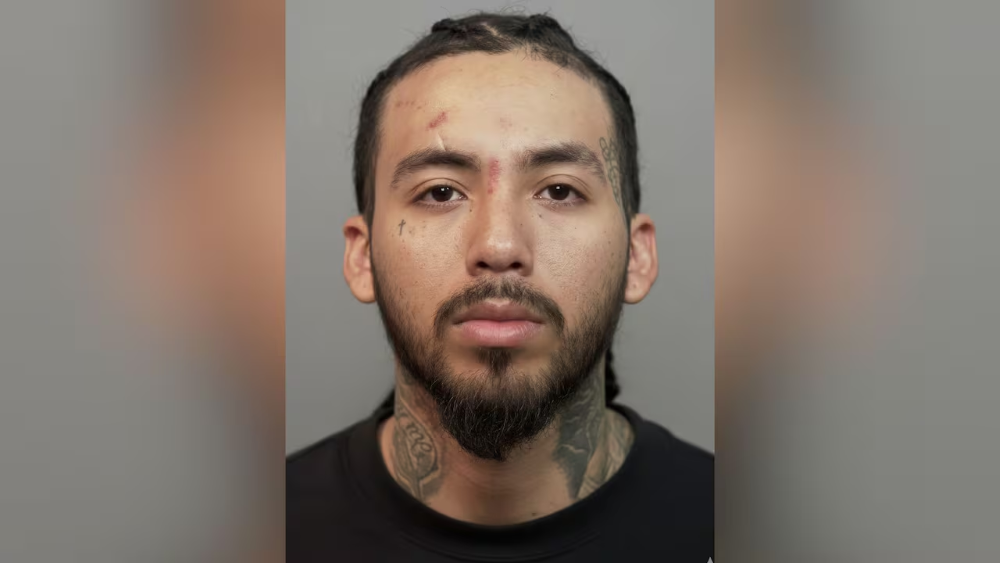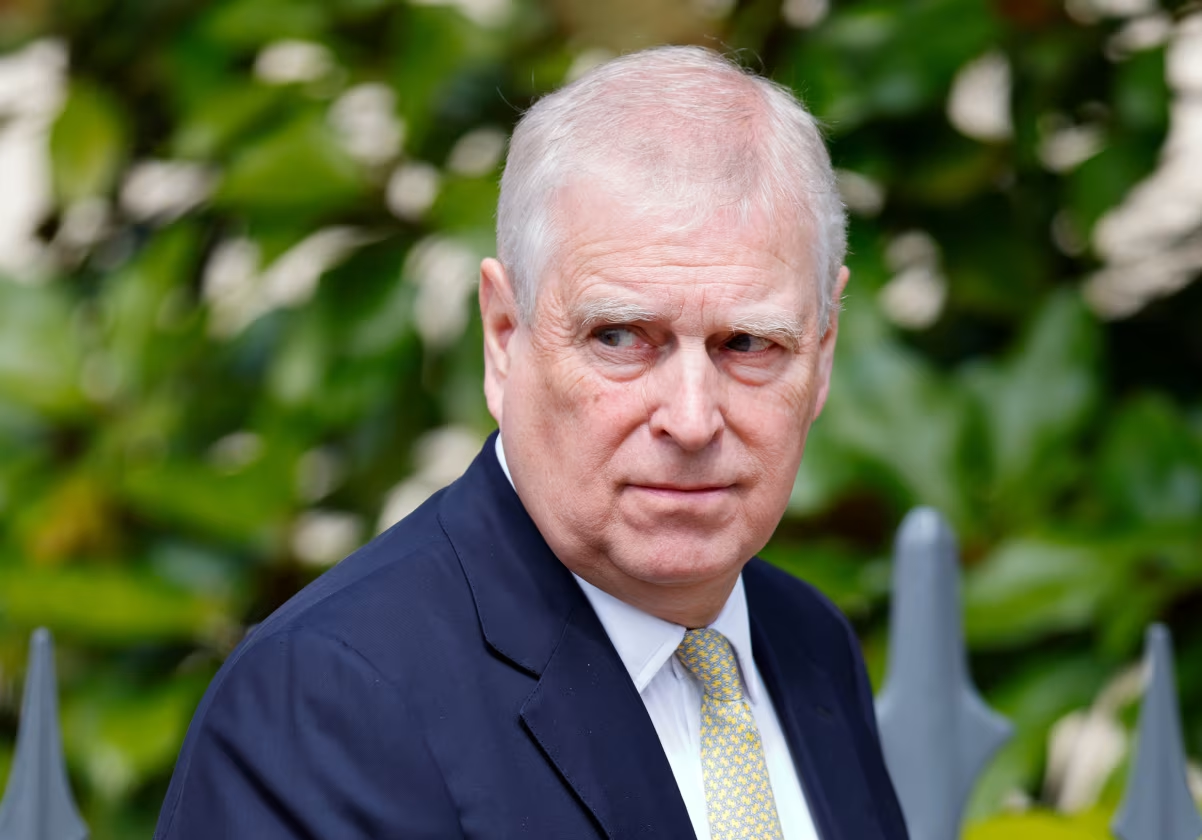
Andrew Mountbatten-Windsor, seen in a photo taken at Windsor Castle in April 2025, was taken into custody by police on Thursday. Getty Images
Police officers arrived at the Norfolk home of Andrew Mountbatten-Windsor on his 66th birthday and placed him under arrest. The move stunned Britain and marked the first arrest of a senior royal in nearly four centuries.
Mountbatten-Windsor, formerly known as Prince Andrew, is the brother of King Charles III and once held a prominent role within the royal family. Authorities questioned him as part of an investigation connected to the release of files related to Jeffrey Epstein.
Police later stated that “a man in his sixties from Norfolk” had “been released under investigation.” Officials questioned him over suspected misconduct in public office during his time as a United Kingdom trade envoy. Earlier claims suggested he may have shared sensitive information with Epstein. Mountbatten-Windsor has denied previous allegations and has not commented on the newest claims.
A Royal Title Offers No Shield
The arrest signalled a powerful message in Britain: status does not protect anyone from investigation. King Charles issued a short statement distancing himself from his brother’s legal troubles.
“Let me state clearly: the law must take its course,” the statement read.
The development intensified one of the most serious controversies to affect the royal family in decades. Observers noted that the public nature of the arrest showed British authorities’ willingness to pursue investigations involving high-profile individuals.
Contrast with the United States
The arrest has sparked renewed debate across the Atlantic. While British authorities have taken visible action following the release of Epstein-related documents, critics say accountability in the United States appears slower and less decisive.
Democratic Rep. Jake Auchincloss of Massachusetts said, “Great Britain is holding its powerful and privileged to account. The United States of America should do the same.”
In the U.S., political divisions have complicated efforts to fully examine the Epstein case. The Department of Justice released documents after lawmakers passed legislation requiring greater transparency. However, critics argue that the handling of the case has lacked clarity.
There is no evidence of wrongdoing by President Donald Trump in connection with his past association with Epstein. Still, Trump’s shifting stance on releasing Epstein files has raised questions among some observers.
Trump recently commented, “It’s really interesting, because nobody used to speak about Epstein when he was alive, but now they speak. But I’m the one that can talk about it, because I’ve been totally exonerated,” adding, “I did nothing. In fact, the opposite — he was against me, he was fighting me in the election, which I just found out throughout the last 3 million pages of documents.”
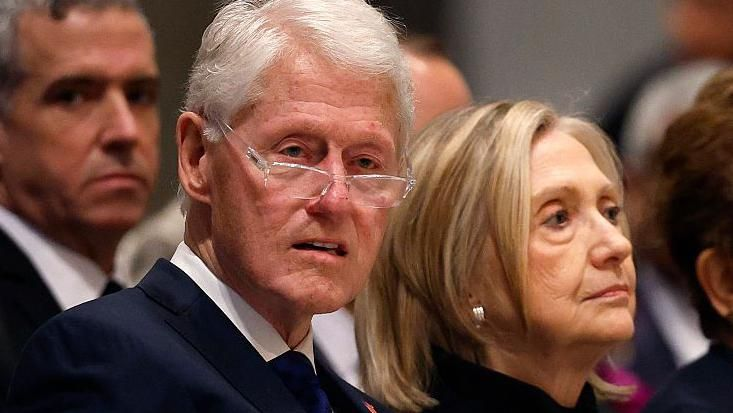
Other prominent Americans, including former President Bill Clinton and business leaders such as Bill Gates and Howard Lutnick, have also faced questions about past associations with Epstein. None of them have been charged with criminal wrongdoing.
Victims Seek Accountability
For survivors of Epstein’s crimes, recent developments have offered a measure of validation. Marina Lacerda, a prominent advocate for victims, said, “It’s amazing. And it’s really, really something that all the survivors have been looking forward and working towards,” adding, “I just look at it, it’s insane how everyone’s taking action. And we are doing nothing in the United States.”
The family of the late Virginia Giuffre, who previously settled a lawsuit with Mountbatten-Windsor without an admission of wrongdoing, responded to the arrest by stating, “Today, our broken hearts have been lifted at the news that no one is above the law, not even royalty.”
A Wider Investigation
The release of Epstein-related files has triggered investigations beyond Britain. Authorities in Norway and Poland have also launched inquiries. In the U.K., officials have begun reviewing claims involving other former public figures.
Legal experts say the British investigation could extend into broader questions about what officials knew at the time and whether institutions responded appropriately.
As the case unfolds, public attention remains intense. Each development continues to shape discussions about fairness, power, and the role of justice systems in holding influential individuals accountable.