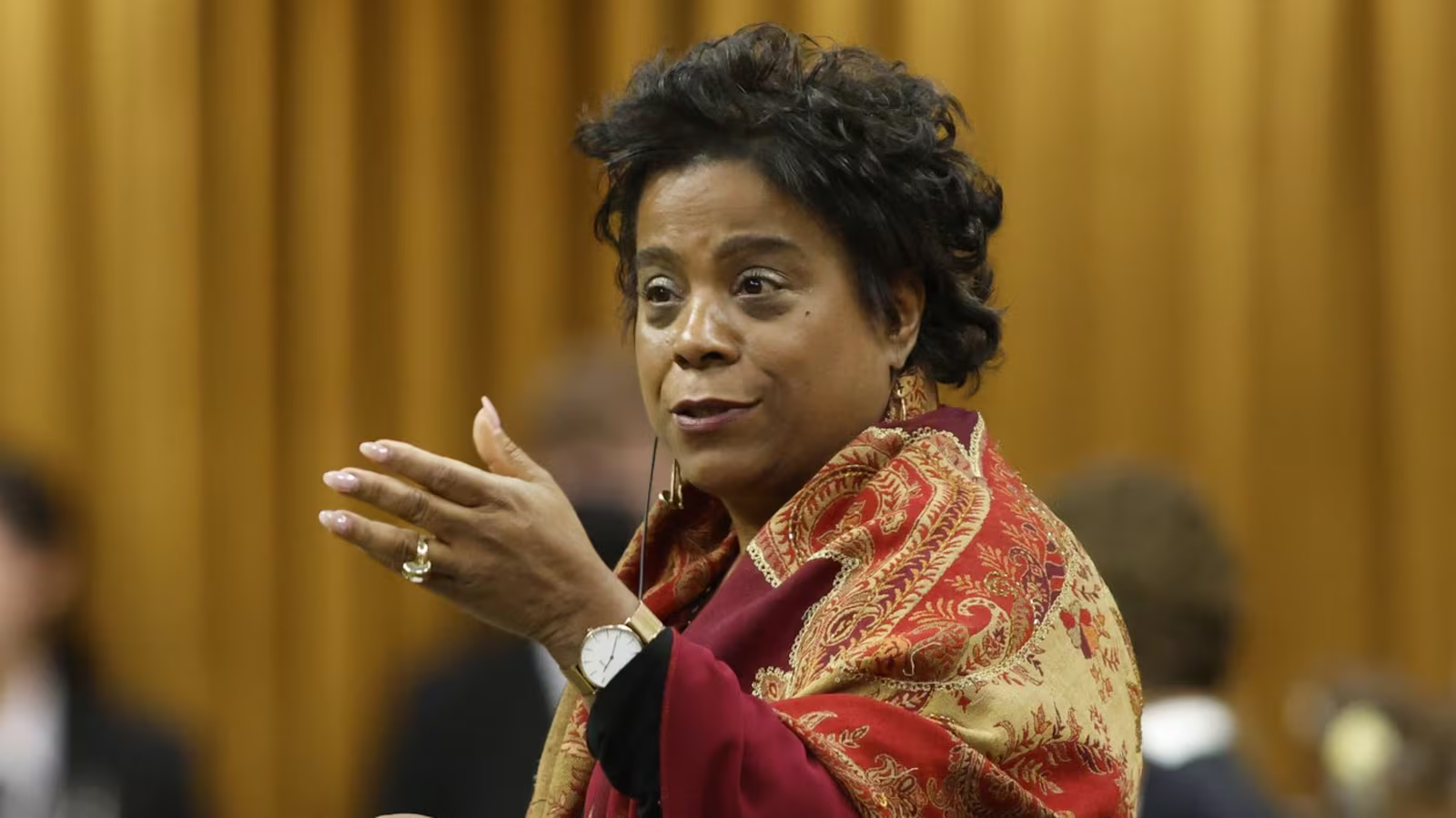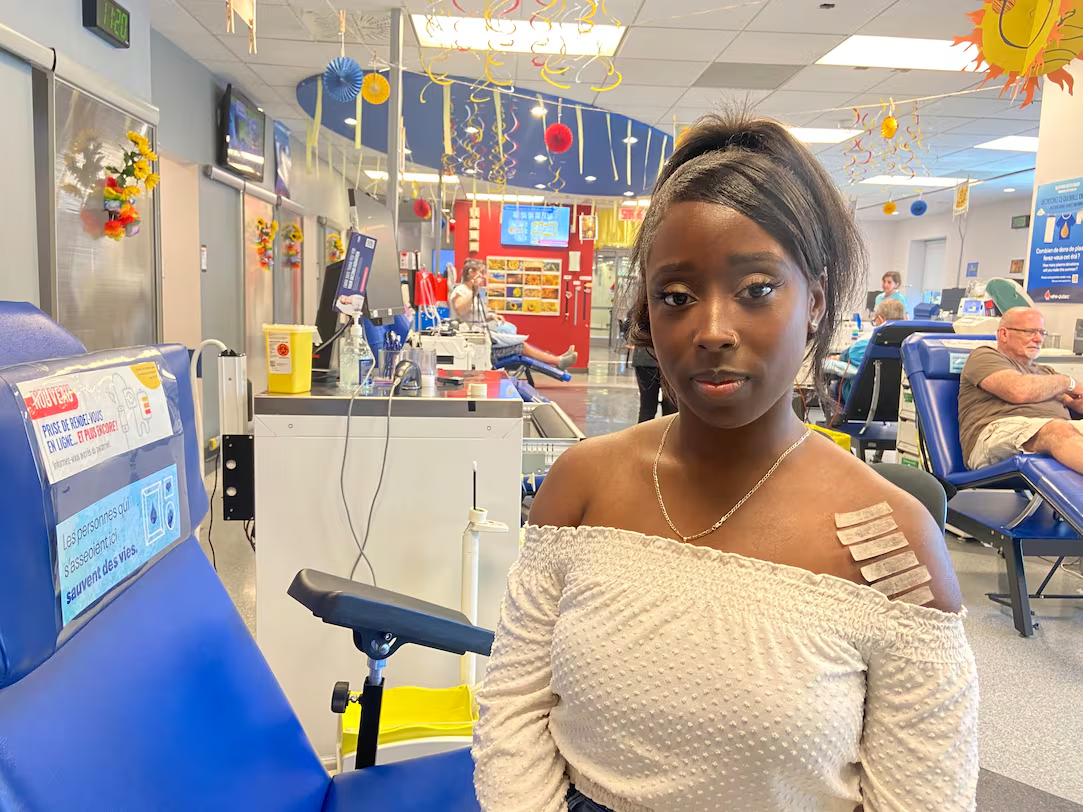
Akelia Campbell, who lives with sickle cell anemia, says the condition often brings intense and ongoing pain that can affect daily life. CBC
Stanley Étienne rolls up his sleeve without hesitation. The 41-year-old Montreal bus driver has donated blood 37 times in recent years. He began after a close friend faced a medical emergency linked to sickle cell anemia, a disease that mainly affects people of African descent.
“I learned that donating blood was the best way I could help,” Étienne said. “Your blood is going to end up helping someone who needs it.”
Why Matching Donors Matter
People living with sickle cell anemia need frequent blood transfusions to survive. Doctors say patients often respond best to blood from donors who share similar ethnic backgrounds. Matching blood types closely reduces the risk of serious immune reactions.
More than 200 sickle cell patients in Quebec depend on regular blood donations. One patient may require blood from about 130 different donors in a single year. Health officials say more Black donors are urgently needed.
A History That Still Hurts
Despite the need, mistrust continues to discourage some Black Quebecers from giving blood. Étienne said he had to convince his own mother to donate.
“A lot of Haitians don’t want to give blood because of that,” he said.
During the early years of the HIV/AIDS crisis in the 1980s, U.S. authorities wrongly labelled Haitians as a “high-risk group” for HIV. That decision placed Haitians alongside homosexuals, heroin users and hemophiliacs under what became known as the “4Hs.” The label fueled stigma and discrimination across North America.
In 1983, Canadian officials asked recent immigrants from Haiti to stop donating blood voluntarily. Many in the Haitian community felt singled out and unfairly treated. Although authorities later removed those restrictions, officials never made a clear public announcement in Canada. The silence left lasting damage.
For years, other screening rules also limited donations from people connected to certain African countries. Health agencies later removed those policies after testing improved. However, many in the Black community still carry memories of exclusion.
Efforts to Rebuild Trust
Health organizations now acknowledge that systemic and anti-Black racism affected Canada’s blood system. Black Canadians make up more than four per cent of the population but represent less than one per cent of blood donors nationwide.
In Quebec, about 10,000 Black residents donate blood each year. Officials say they need at least 26,000 donors to meet patient demand.
Akelia Campbell knows how important those donations are. She has lived with sickle cell anemia since infancy.
“In childhood, I was in and out of the hospital a lot,” she said.
As an adult, she manages her condition carefully. She avoids overexertion and extreme cold, both of which trigger painful flare-ups. Nurses say patients like Campbell endure severe pain and depend on regular transfusions to maintain quality of life.
“To treat those affected effectively, the donor and recipient must share the same genetic makeup,” health officials explain. “It’s the reason why Black donors are vital to the community.”
One Donation at a Time
Étienne now organizes blood drives and speaks publicly about the need for more donors. He uses social media to spread awareness and encourage others to step forward.
“It feels good,” he said. “I don’t know that person, but because of me, I give a chance to that person to survive.”