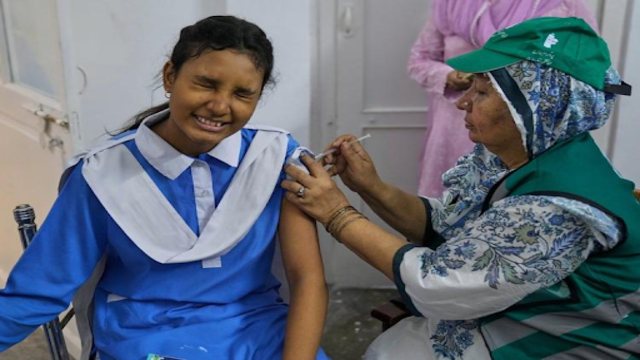
A health worker giving vaccine of human papillomavirus (HPV) to a girl in a campaign aiming to protect from cervical cancer, at a school in Lahore, pakistan, Sept. 22, 2025. (AP Photo)
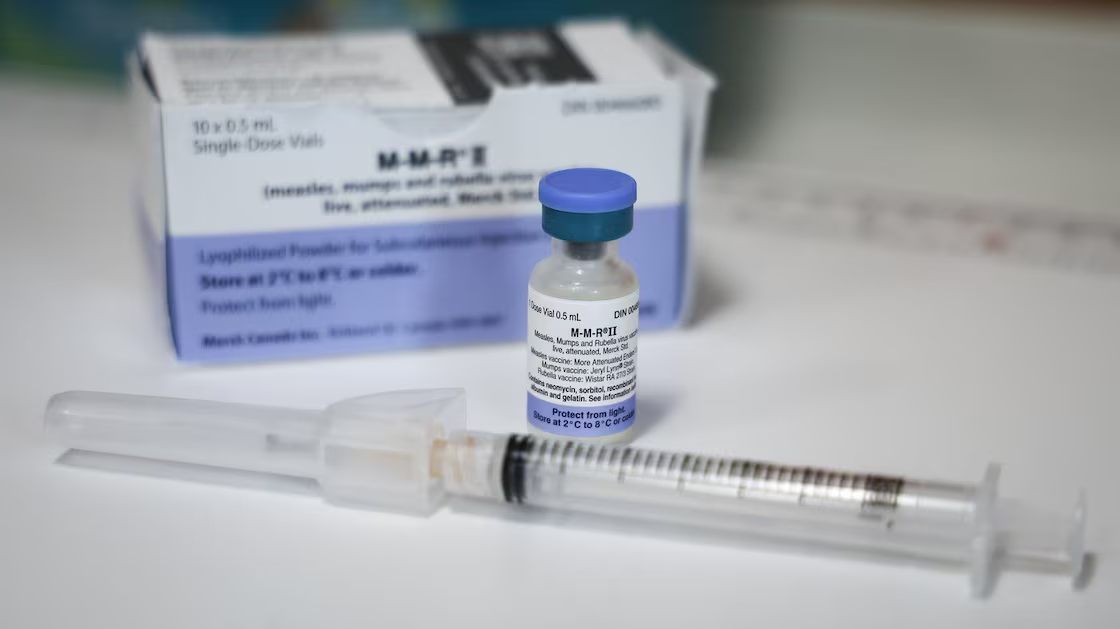
Pakistan has vaccinated nearly nine million adolescent girls against the human papillomavirus (HPV), marking a major milestone in its nationwide cervical cancer prevention campaign. The effort, launched on September 15, aims to immunize 13 million girls aged 9 to 14, Health Minister Mustafa Kamal confirmed Friday.
So far, the program has reached about 70 percent of its target. The HPV vaccine, widely used worldwide, is known to prevent most cases of cervical cancer. In Pakistan, the disease remains the third most common cancer among women, claiming an estimated 18,000 to 20,000 lives every year.
Overcoming Online Rumors
The campaign initially faced resistance as misinformation spread rapidly across social media. Some parents feared the vaccine was linked to infertility and framed it as an attempt to reduce the Muslim population.
Minister Kamal responded by publicly vaccinating his own daughter at an event in Karachi. He said the move helped ease doubts and build confidence.
“By the grace of God, vaccinating my daughter publicly had a huge impact,” Kamal said. “From the fifth day, refusal rates dropped sharply, and acceptance rose to nearly 80 percent in some districts.”
Despite progress, hesitancy remains. In Karachi, mother-of-two Ali Sheikh admitted she was influenced by the rumors. “I heard the vaccine could cause infertility,” she said. “Social media is full of such claims, and my relatives told me not to allow it.”
Challenges on the Ground
For health workers, the campaign has been both exhausting and emotional. Teams have gone door-to-door and set up vaccination centers in schools to reach millions of girls. Yet, they often face skepticism and outright refusals.
“It is very difficult work,” said 52-year-old health worker Shamim Anwar. “Parents hesitate because of rumors. Sometimes we even face humiliation, but we continue because these girls need protection.”
Authorities promoted the drive with the slogan “One jab will do the job”, emphasizing the importance of prevention against cervical cancer. Officials also assured families that the vaccine is safe, free of charge, and only causes minor side effects in rare cases.
A Step Toward Eradicating Cervical Cancer
Globally, cervical cancer is the fourth most common cancer among women. With Pakistan adding the HPV vaccine to its national immunization schedule, it became the 149th country to do so.
The first phase of the campaign focused on Punjab, Sindh, and Pakistan-administered Kashmir. Officials plan to expand coverage nationwide by 2027, with the ambitious goal of eliminating cervical cancer as a public health problem by 2030.
Kamal acknowledged the difficulties of winning public trust but remained optimistic. “This is not just about numbers,” he said. “It’s about saving lives, protecting daughters, and ensuring a healthier future for generations.”
As Pakistan pushes forward, health experts stress the vaccine’s life-saving potential. For many girls, this small injection could mean freedom from a cancer that has taken thousands of mothers, daughters, and sisters too soon.