Former Israeli Prime Minister Ehud Olmert has said if Palestinians are "deported into the new ‘humanitarian city’, then you can say that this is part of an ethnic cleansing.”
A controversial plan proposed by Israeli Defense Minister Israel Katz to establish a “humanitarian city” in Gaza has triggered severe criticism, including from a former Israeli leader. Ehud Olmert, Israel’s ex-prime minister, has warned that the plan echoes the chilling structure of a concentration camp, reigniting ethical and legal concerns on an international scale.
Former PM Ehud Olmert Issues Grave Warning
In an interview with The Guardian, Olmert voiced strong disapproval of the proposed zone. He labeled the plan a “concentration camp” and questioned its true intent. “If Palestinians are deported into this so-called humanitarian city, this is ethnic cleansing,” he said.
Olmert’s comparison to Nazi-era camps is especially jarring within Israeli society, where such references are usually avoided. Yet, he insists this interpretation is not an exaggeration, but an “inevitable understanding” of the government’s actions.
Details of the ‘Humanitarian City’ Plan
The zone, proposed to be built on the ruins of Rafah in southern Gaza, would house hundreds of thousands of displaced Palestinians. Once relocated, residents would reportedly not be allowed to leave.
Defense Minister Katz stated that the entire population of Gaza could eventually be moved to the zone. He also emphasized intentions to implement a broader plan for the emigration of Palestinians from Gaza — a move widely condemned by human rights advocates.
A source close to the matter revealed that Prime Minister Benjamin Netanyahu and Katz met recently to discuss the plan.
After Israeli media highlighted the immense cost and time required for its execution, Netanyahu reportedly urged for a faster and more affordable alternative.
Government Response and Political Fallout
The Prime Minister’s Office responded fiercely to Olmert’s remarks. Branding him a “convicted felon,” the statement criticized his comments as damaging to Israel’s reputation, especially during wartime.
Olmert, who served as prime minister from 2006 to 2009 and was later imprisoned for corruption, remains unapologetic. He has consistently criticized the military campaign in Gaza and the hardline stance of Netanyahu’s government.
In May, Olmert admitted in an interview that he could no longer defend Israel against war crimes allegations. “What is it if not a war crime?” he asked, referring to Israeli military actions in Gaza.
Mounting Death Toll and International Condemnation
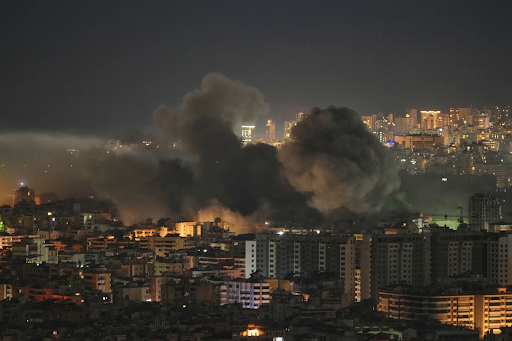
The humanitarian crisis in Gaza continues to escalate. According to the Palestinian Ministry of Health, more than 58,000 people have died since the beginning of the conflict.
Michael Sfard, a prominent Israeli human rights lawyer, also condemned Katz’s plan. He said the proposal involves forcible transfer and likely deportation of an entire population — acts he defined as war crimes. If executed on a large scale, these actions could even amount to crimes against humanity, Sfard added.
He rejected any claims that such emigration would be voluntary, calling the situation too coercive for free choice to exist.
Internal Political Divide
Yair Lapid, leader of Israel’s opposition, criticized the humanitarian city proposal as a political maneuver. In a statement, he accused Netanyahu of letting far-right coalition partners “run wild with extreme fantasies” just to maintain power.
Lapid’s call was clear: “End the war and bring back the hostages.”
A Global Debate Unfolds
The debate around the humanitarian city underscores the growing tension within Israeli politics and society. At the same time, it has ignited alarm in the global community, where critics argue that the Gaza relocation plan threatens basic human rights.
As the humanitarian crisis deepens and the political rhetoric intensifies, many around the world are watching closely — asking whether the plan is truly about aid, or a forced displacement strategy cloaked in humanitarian language.