Hungary Ukraine tensions intensify after Hungary detains Ukrainians and seizes $80M in cash and gold, sparking diplomatic outrage and energy disputes.
Tensions between Hungary and Ukraine intensified this week after Hungarian authorities detained seven Ukrainian citizens and seized an $80 million cash shipment traveling across the country. Although the individuals were later released, the seized funds remain in Hungarian custody, triggering strong protests from Kyiv and adding another layer to the ongoing dispute between the two neighboring nations.
The incident unfolded when Hungarian officials stopped two armored vehicles transporting large amounts of cash and gold from Austria to Ukraine. Authorities suspected possible money laundering and temporarily detained the Ukrainian staff members accompanying the shipment. By Friday, the detainees had been released and returned to Ukraine, but the money remained confiscated, prompting sharp diplomatic reactions from Ukrainian leaders.
Hungary Seizes $80 Million Shipment During Transit
According to Ukrainian officials, the seized cargo included $40 million, €35 million, and approximately nine kilograms of gold. The shipment, worth roughly $80 million in total, was reportedly being transported between state banks as part of routine financial operations.
The seven Ukrainians detained during the operation were employees of the Ukrainian state-owned Oschadbank. Ukrainian Foreign Minister Andrii Sybiha stated that the funds were transferred legally under international banking agreements and accompanied by all necessary documentation.
Oschadbank chairman Yurii Katsion also defended the legitimacy of the shipment, arguing that Hungary had no valid grounds to question the origin of the funds. Ukrainian officials described the seizure as unlawful and accused the Hungarian government of acting aggressively toward Kyiv.
Kyiv Accuses Hungary of “State Banditism”
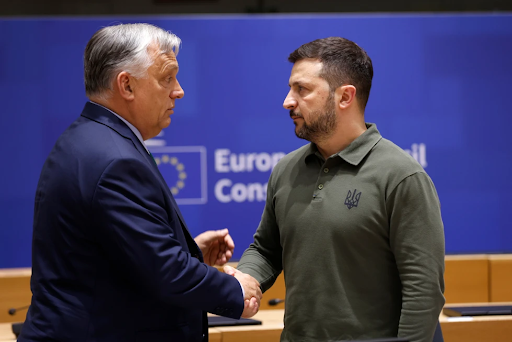
The decision by Hungary to seize the cash shipment quickly sparked outrage in Kyiv. Ukraine’s foreign minister publicly condemned the move, calling it “state banditism” and warning that Ukraine would not tolerate such actions.
Sybiha also suggested the incident was politically motivated, linking it to Hungary’s internal political climate. According to Ukrainian officials, the seizure forms part of a broader pressure campaign as relations between the two governments continue to deteriorate.
Ukraine has warned that it may pursue retaliatory measures, including sanctions or other restrictive steps, if the dispute remains unresolved.
Energy Dispute Fuels Growing Conflict
The controversy comes at a time when Hungary and Ukraine are already locked in a bitter disagreement over Russian oil supplies. Oil deliveries through the Druzhba pipeline, which runs across Ukrainian territory to Hungary, have been disrupted since late January.
Ukraine says the pipeline was damaged during a Russian drone attack and that repairs remain risky due to ongoing hostilities. Even if repairs are completed, Ukrainian officials warn that the infrastructure could face further attacks.
Hungary, however, accuses Ukraine of deliberately slowing the restoration of oil flows. Hungarian leaders argue that the disruption threatens the country’s energy security and have vowed to respond with strong countermeasures until shipments resume.
Orbán Intensifies Anti-Ukraine Rhetoric
Hungarian Prime Minister Viktor Orbán has taken a particularly hard stance on the dispute as the country approaches a crucial national election. In recent remarks, Orbán accused Ukraine of attempting to provoke an energy crisis in Hungary to influence the upcoming vote.
He also suggested Hungary might block transit activities important to Ukraine until oil shipments resume through the pipeline. The Hungarian leader claimed that Ukraine could run out of money sooner than Hungary would run out of oil.
Orbán’s rhetoric reflects his broader political strategy ahead of the election. The longtime prime minister has framed Ukraine as a potential threat to Hungary’s security while maintaining relatively close ties with Russia.
Wider Political and Economic Implications
Hungary has repeatedly resisted European Union efforts to reduce dependence on Russian energy imports. Along with Slovakia, it continues purchasing Russian fossil fuels despite Moscow’s invasion of Ukraine.
In recent months, Hungary has blocked additional EU sanctions against Russia and opposed major financial support packages for Kyiv. Hungarian authorities have also increased security around critical energy infrastructure, citing concerns about potential disruptions.
Meanwhile, Ukraine has responded with warnings to its citizens and businesses. Kyiv has advised Ukrainians to avoid traveling to Hungary and urged European companies to consider the risks of property seizure within the country.
A Dispute With No Immediate Resolution
With the detained Ukrainians now back home but the seized funds still held by Hungarian authorities, the dispute remains unresolved. The incident has further strained an already fragile relationship between the two governments.
As political tensions rise and energy disputes continue, the seizure of the $80 million shipment may become another flashpoint in the increasingly complex relationship between Hungary and Ukraine.