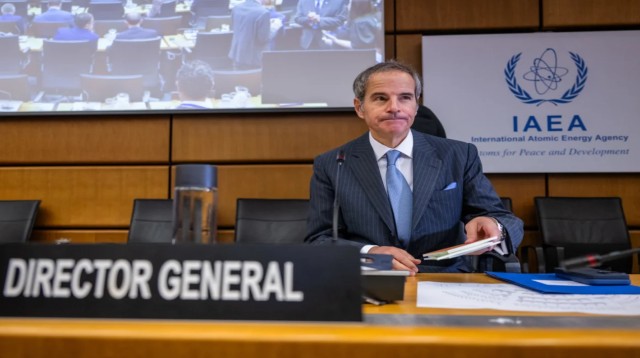
Rafael Grossi, director general of the IAEA, at the UN nuclear watchdog's headquarters in Vienna, Austria, last month.
Iran has officially suspended cooperation with the International Atomic Energy Agency (IAEA), marking a significant shift in its nuclear policy. President Masoud Pezeshkian approved a controversial law on Wednesday, effectively blocking international monitoring of Iran’s nuclear program.
This development follows last week’s decision by Iran’s parliament to pass legislation targeting the UN nuclear watchdog. The Iranian government claims that the IAEA has aided Israel in launching strikes against its nuclear facilities—a charge the agency strongly denies.
Government Orders Full Implementation
President Pezeshkian has instructed the Atomic Energy Organization of Iran, the Ministry of Foreign Affairs, and the Supreme National Security Council to act on the new directive. The announcement was made via the state-run IRNA news agency.
Satellite images from the Fordow nuclear enrichment plant reveal ongoing activities. Vehicles, cranes, and excavation equipment were spotted near areas hit by recent U.S. strikes. While implementation details remain unclear, this new law may enable Iran to rebuild its nuclear infrastructure beyond the reach of international oversight.
Violation of Nuclear Treaty?
Iran remains a signatory to the Non-Proliferation Treaty (NPT). Under this agreement, countries are required to allow international inspections to verify the peaceful nature of their nuclear activities. Iran’s new stance directly challenges this commitment and raises concerns about unchecked uranium enrichment.
An IAEA spokesperson responded cautiously, saying, “We are aware of these reports. The IAEA is awaiting further official information from Iran.”
Global Reactions Spark Concern
The United States swiftly condemned the move. State Department spokesperson Tammy Bruce called Iran’s decision “unacceptable” and urged Tehran to “cooperate fully without further delay.” She emphasized that Iran still has a chance to choose peace and prosperity.
Germany echoed this sentiment. Foreign Ministry spokesperson Martin Giese said the decision sends a “disastrous signal” and stressed that IAEA collaboration is crucial for any diplomatic resolution.
The United Nations also expressed alarm. Stephane Dujarric, spokesperson for UN Secretary-General Antonio Guterres, labelled the decision “concerning.” He reiterated calls for Iran to continue its cooperation with international inspectors.
Tensions Escalate After Military Strikes
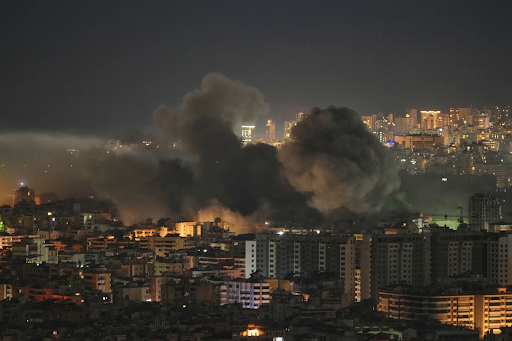
The suspension of cooperation comes in the aftermath of escalating military tensions. Israel recently launched an unprecedented offensive targeting Iranian nuclear scientists, facilities, and military personnel. In response, the United States carried out airstrikes on Iranian nuclear sites in Natanz, Isfahan, and Fordow.
Iran claimed that its nuclear sites suffered heavy damage but vowed to continue its uranium enrichment under the banner of peaceful development. However, international skepticism remains high.
IAEA Report Raised Red Flags
Just before the Israeli strikes, the IAEA released a damning report. It revealed that Iran was enriching uranium to levels near weapons-grade. The agency stated it could no longer verify that Iran’s nuclear activities were entirely peaceful. This prompted a formal resolution censuring Tehran and led to outrage within the Iranian leadership.
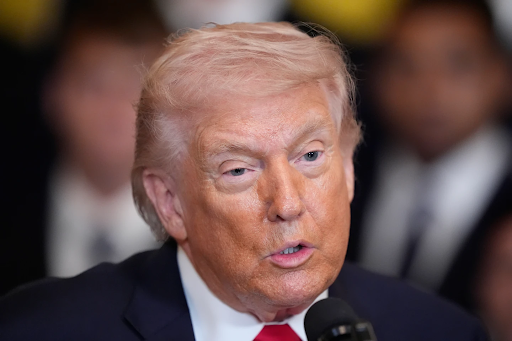
Supreme Leader Ayatollah Ali Khamenei maintains that Iran is not pursuing nuclear weapons. He has repeatedly cited Islamic teachings that forbid weapons of mass destruction. Nonetheless, uranium enrichment activities intensified after former U.S. President Donald Trump pulled out of the 2015 nuclear deal.
Iran’s Next Move Uncertain
Experts warn that Iran could restart full-scale enrichment in just a few months if left unmonitored. The lack of IAEA oversight may allow Iran to expand its program without international scrutiny, increasing fears of a nuclear arms race in the region.
The global community now watches closely. The future of Iran’s nuclear program—and regional stability—hangs in the balance.