The International Atomic Energy Agency in Vienna, Austria, June 23, 2025.
The United Nations nuclear watchdog has lost track of Iran’s stockpile of near-weapons-grade uranium for nearly five months. The International Atomic Energy Agency (IAEA) revealed the lapse in a confidential report circulated to member states this week, warning that the situation requires urgent resolution.
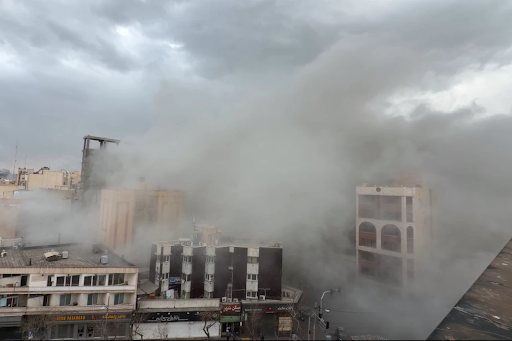
The agency said it could no longer verify the amount or condition of Iran’s enriched uranium after Israel and the United States bombed several nuclear sites during the 12-day war in June. The attacks severely disrupted monitoring and access, cutting off IAEA inspectors from critical facilities.
IAEA “Loses Continuity of Knowledge”
In its latest assessment, the IAEA stated it had “lost continuity of knowledge” regarding nuclear materials stored in the affected Iranian sites. The report said the agency’s inability to verify Iran’s stockpile since June meant its inspections were now “long overdue.”
According to the agency’s last confirmed report in September, Iran possessed 440.9 kilograms (972 pounds) of uranium enriched up to 60% purity — just a short technical step below weapons-grade (90%) levels.
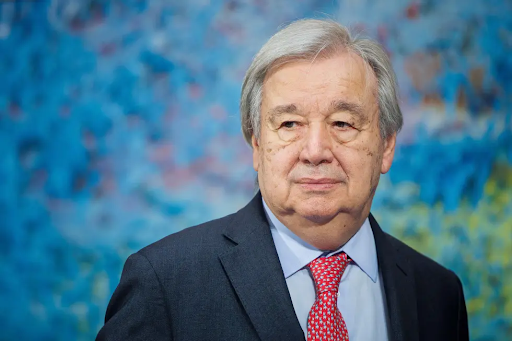
IAEA chief Rafael Grossi warned that such a stockpile could theoretically produce up to 10 nuclear bombs if Iran chose to weaponize its program. However, he clarified that there is no evidence suggesting Tehran has done so.
Iran Yet to Submit Mandatory “Special Report”
Under its safeguards agreement with the U.N. watchdog, Iran must provide a “special report” whenever major incidents — like military attacks or earthquakes — affect nuclear facilities. The document should outline the status, location, and safety of all nuclear materials and plants.
But the IAEA confirmed that Iran has not yet submitted this report. The agency called the missing report “indispensable” for verifying that Iran’s nuclear materials remain under peaceful use and that no sites have been repurposed for military objectives.
In a letter to the IAEA dated November 11, Tehran said that any cooperation with the agency now depends on decisions made by the Supreme National Security Council (SNSC) — indicating political control over technical compliance.
Limited Inspections Allowed
Despite the ongoing tensions, Iran did allow IAEA access to some undamaged facilities in early September after Grossi met Foreign Minister Abbas Araghchi in Cairo. Inspectors visited the Bushehr Nuclear Power Plant, the Tehran Research Reactor, and three other sites in the capital.
On Wednesday, the IAEA confirmed that its inspectors were traveling to Isfahan — home to a major Nuclear Technology Center employing thousands of scientists and hosting three Chinese-built research reactors.
However, several war-damaged buildings at the Isfahan site, including a uranium conversion facility, remain off-limits. Both Israel and the U.S. reportedly targeted the area during the June conflict, striking critical components of Iran’s atomic infrastructure.
War and Sanctions Deepen Iran’s Isolation
Following the strikes, Iran suspended all cooperation with the IAEA, further straining relations with Western nations. Though a temporary inspection agreement was reached in Cairo in September, it quickly fell apart after the U.N. reinstated harsh sanctions later that month.
These sanctions — reimposed through the snapback mechanism — came after Iran refused direct talks with the U.S., failed to resume full cooperation with the IAEA, and did not clarify the whereabouts of its near-weapons-grade uranium.
The renewed restrictions froze Iranian assets abroad, banned arms sales, and penalized missile development. Analysts say the measures have worsened Iran’s already fragile economy, pushing Tehran into deeper international isolation.
Global Concern Over Nuclear Escalation
Iran continues to insist that its nuclear program serves peaceful and energy-related purposes. Yet, the IAEA and Western powers remain skeptical, citing past evidence of an organized weapons program before 2003.
With verification halted and tensions rising, experts warn that the inability to monitor Iran’s enriched uranium poses a serious threat to regional stability. The IAEA has urged Tehran to restore access and transparency immediately to prevent a deeper nuclear crisis.