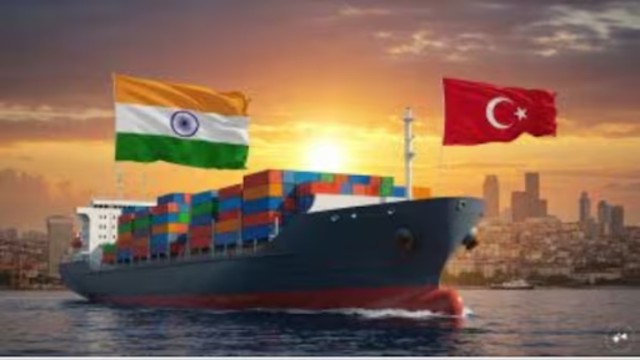
India is restricting Turkish involvement in key infrastructure projects over security concerns, but is avoiding a full trade ban.
India is choosing pragmatism over provocation as it holds off on banning trade with Turkey—despite rising diplomatic tensions and growing pressure from local industries. The reason behind such a critical decision is that India runs a $2.73 billion trade surplus with Turkey, and blocking trade could harm India’s own interests.
Domestic Uproar, But No Green Light Yet
Farmers and traders across India are demanding action. Apple growers from Himachal Pradesh and marble processors from Rajasthan have raised the red flag. They claim cheap, subsidized imports from Turkey are flooding the Indian market, slashing prices, and pushing local businesses to the brink.
Last month, Himachali apple farmers met officials from the Union Commerce Ministry, urging a full ban on Turkish apples. They argued that these imports are devastating the horticulture economy in hill states. Udaipur’s marble traders followed suit, writing to the Prime Minister’s Office to demand restrictions on Turkish stone.
Why India Isn’t Hitting Pause on Trade
Despite these loud demands, the Centre is holding back.
“We’ve received several requests to ban Turkish imports,” a senior official told The Indian Express. “But we must also weigh the interests of our exporters. A trade ban might send a strong geopolitical message, but it’s a question of how far we are willing to take it.”
India currently enjoys a comfortable trade surplus with Turkey—exporting engineering goods, chemicals, and electronics while importing mostly fruits, nuts, gold, and marble. In recent years, Turkey even ramped up its purchases of Indian petroleum products—though this has tapered off in FY25.
A full trade freeze could do more harm than good to Indian businesses, especially exporters riding the wave of this surplus.
Tensions Rise After Operation Sindoor
The trade dilemma comes amid rising diplomatic strain. India recently launched Operation Sindoor, targeting terror networks in Pakistan and PoK. In response, Turkey strongly backed Pakistan—reaffirming a deep-rooted alliance based on historical and religious ties.
Just weeks ago, Turkish President Recep Tayyip Erdogan met Pakistan PM Shehbaz Sharif in Istanbul. The two pledged to boost cooperation, especially in defense, energy, and transport—sending a pointed message to New Delhi.
Erdogan didn’t stop there. He also voiced solidarity with Pakistan after the terror attack in Pahalgam, which India linked to Pakistan-backed militants.
Trade vs. Politics: A Delicate Dance
The growing bonhomie between Ankara and Islamabad has irked many in India. For some, a trade ban seems like the logical next step. But for policymakers, the equation isn’t so simple.
India’s economic relationship with Turkey, though smaller in volume compared to other global partners, is tilted in India’s favour. Halting trade could hurt Indian exporters more than it punishes Ankara.
So for now, India is walking a tightrope—balancing economic gain with political discomfort. Whether that balance holds will depend on how far Turkey goes in backing Pakistan—and how loud domestic voices become in response.