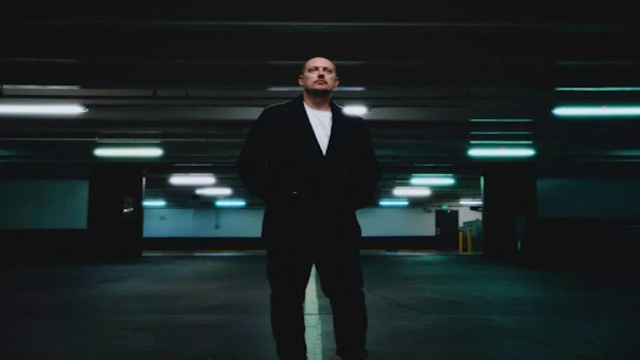
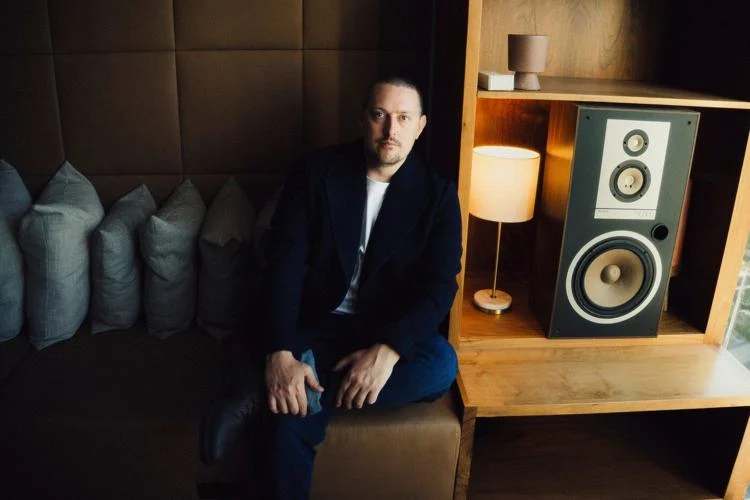
British AI music creator Oliver McCann, on Aug. 7, 2025, in West Hollywood, Calif. (Hallwood via AP)
The rise of artificial intelligence in music creation is shaking the foundations of the global music industry. From experimental artists to record labels, the conversation around AI-generated songs has become one of the most pressing debates in entertainment today.
British creator Oliver McCann, known by his stage name imoliver, is at the centre of this shift. Unlike traditional musicians, he admits he has “no musical talent at all.” McCann cannot sing or play an instrument. Instead, he uses AI tools to transform his ideas into songs that span indie-pop, electro-soul, and even country-rap.
Last month, McCann signed a contract with Hallwood Media after one of his tracks drew more than three million streams. Industry observers say it marks the first time a record label has partnered with an AI music creator.
AI Tools Powering New Artists
McCann’s work highlights how AI platforms such as Suno and Udio are changing the way songs are produced. These tools can instantly generate melodies, lyrics, and album art, sparking an explosion of synthetic music.
A fictitious group called Velvet Sundown, whose songs and visuals were entirely AI-made, went viral earlier this year. The trend has divided opinion — some hail it as a democratization of creativity, while others fear an avalanche of low-quality “AI slop.”
Streaming service Deezer estimates that 18% of daily uploads are AI-generated, though few attract significant listening figures. Other platforms like Spotify have not disclosed their own data.
A Divided Industry
Experts warn the impact of AI could be seismic. The global recorded music market, worth nearly $30 billion, is already in flux. Universities and industry analysts believe AI songs will multiply rapidly as younger audiences embrace the technology.
But musicians and record labels see both opportunity and threat. While some envision new revenue streams, others argue their work is being misused to train AI systems.
Major labels — Sony Music, Universal Music Group, and Warner Records — have filed lawsuits against Suno and Udio, accusing them of copyright infringement. Negotiations are underway that could set the framework for how artists are compensated when AI reworks their music.
Artists Split Over AI’s Role
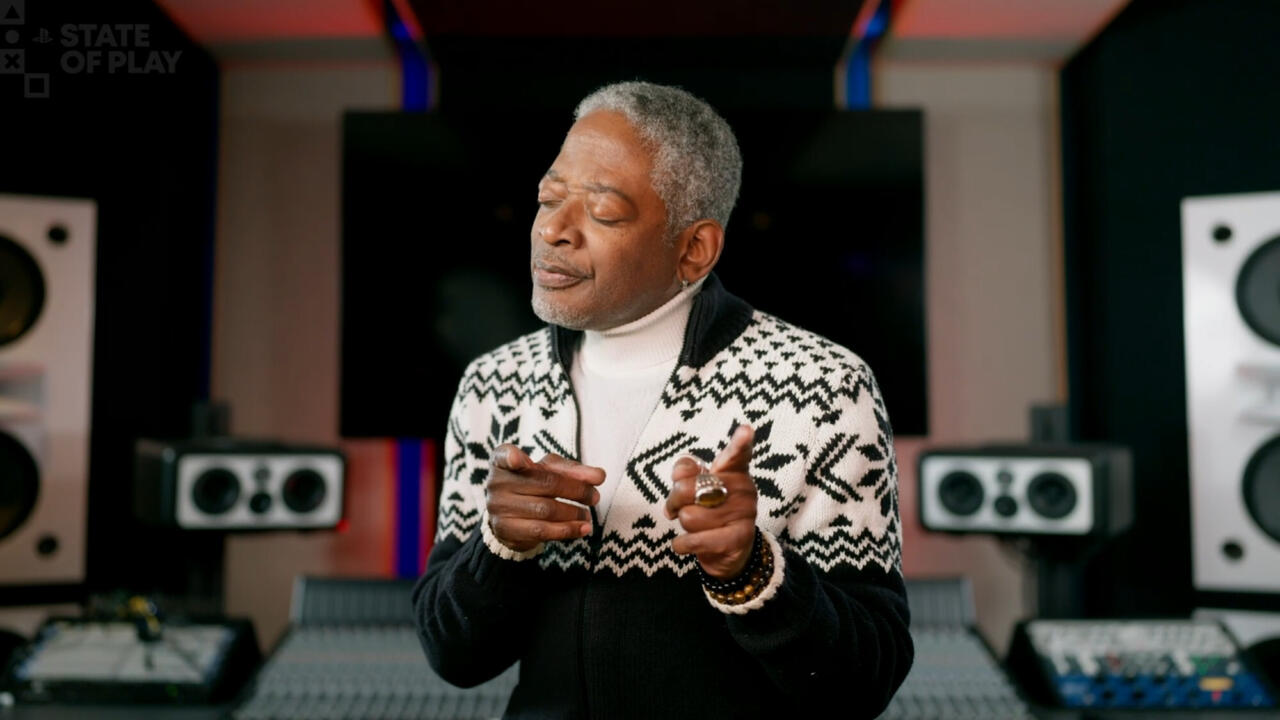
Not all musicians oppose the trend. Some, including will.i.am and Timbaland, have embraced AI as a creative partner. Others, like Kate Bush and Damon Albarn, joined more than 1,000 artists in a silent protest album to defend human artistry against looming legal changes.
For independent creators, however, AI offers new possibilities. Portland-based musician Scott Smith, who fronts an AI band called Pulse Empire, sees the technology as just another tool. He spends hours refining AI outputs until they meet his vision.
Philadelphia-based artist Lukas Rams takes a similar approach with his project Sleeping With Wolves. He admits AI-generated lyrics often sound “corny,” so he writes his own, using AI mainly for musical backing.
A New Frontier
Experts compare today’s AI music debate to past clashes over synthesizers, drum machines, and file-sharing platforms like Napster. What once seemed threatening often became part of the mainstream.
“Anyone, anywhere could make the next big hit,” McCann said. “As AI gains acceptance, it might even reach the charts.”
For now, the industry faces a “Wild West” moment — torn between innovation and protection, disruption and opportunity.