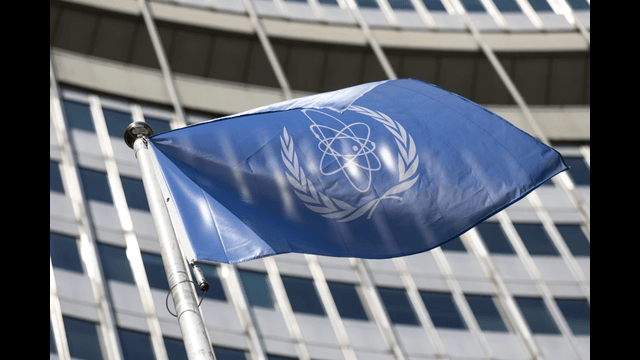
In this June 7, 2021, file photo, the flag of the International Atomic Energy Agency (IAEA) waves at the entrance of the Vienna International Center in Vienna.
Efforts to prevent the reimposition of United Nations sanctions on Iran hit a deadlock on Tuesday. Diplomats from Britain, France, and Germany failed to strike a deal with Iranian representatives, raising fears of renewed penalties under the 2015 nuclear agreement.
Talks End Without Progress
The meeting in Geneva brought together the European trio, known as the E3, and Iranian officials. Discussions ended without a breakthrough, according to a European diplomat who spoke anonymously. Despite the stalemate, both sides pledged to continue talks before the looming end-of-month deadline.
The E3 is weighing whether to trigger the "snapback mechanism" of the 2015 Iran nuclear deal. This clause would restore sweeping sanctions lifted under the agreement, including an arms embargo, restrictions on missile development, and bans on nuclear-related technology.
Iran Calls for Diplomacy
Kazem Gharibabadi, Iran’s deputy foreign minister for legal and international affairs, reiterated Tehran’s commitment to negotiations. Writing on X, he urged European countries to “make the right choice” and allow diplomacy “time and space.”
This appeal followed a previous round of discussions in Istanbul on July 25, which also ended without resolution.
Rising Concerns Over Iran’s Nuclear Program
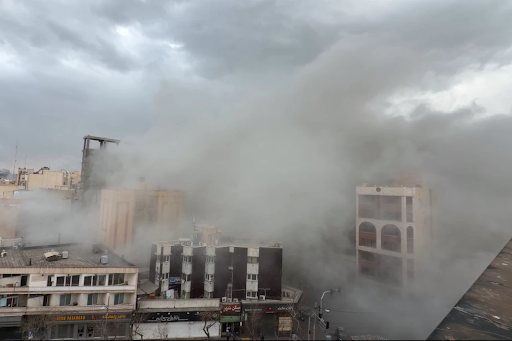
European nations remain alarmed by Iran’s nuclear activity. Before the 12-day Iran-Israel conflict in June, Tehran had enriched uranium close to weapons-grade levels. The conflict, during which Israeli and U.S. forces struck Iranian nuclear sites, further deepened mistrust.
Adding to concerns, Iran halted cooperation with the International Atomic Energy Agency (IAEA) after the war, limiting international visibility into its nuclear progress. The country holds a stockpile of uranium enriched to 60%, a short step from the 90% purity needed for weapons.
Iran insists its program is peaceful. However, it remains the only non-nuclear-armed nation enriching uranium at such high levels. The U.S. and IAEA maintain that Tehran pursued a weapons program until 2003.
Deadline for Snapback Sanctions Approaches
The E3, with U.S. support, agreed earlier this year to impose an end-of-August deadline on Iran. Tehran must resume talks with Washington, reopen nuclear facilities to inspectors, and account for over 400 kilograms of highly enriched uranium.
On Tuesday, IAEA chief Rafael Grossi confirmed inspectors had returned to Iran for the first time since June’s strikes. While full access terms are still being negotiated, initial inspections will focus on facilities unaffected by bombings.
This move suggests Iran is taking the threat of renewed sanctions seriously, despite its defiant rhetoric.
Russia and China Push for Delay
Russia, another original signatory of the Joint Comprehensive Plan of Action (JCPOA), proposed delaying the snapback deadline until next spring. Moscow argues this would preserve room for diplomacy. China backs the proposal, but Western nations remain skeptical.
Dmitry Polyanskiy, Russia’s deputy UN ambassador, said the revised proposal is being circulated among Security Council members. He described it as a “litmus test” for countries claiming to support diplomacy.
However, analysts doubt the draft will gain enough support in the 15-member council. It does not explicitly address the conditions Iran must meet under the European plan.
Iran Rejects European Pressure
Iran disputes the legality of any European-led snapback, arguing that Europe violated the 2015 deal after the U.S. withdrawal in 2018 under then-President Donald Trump.
Under the original agreement, Tehran limited uranium enrichment in exchange for sanctions relief and international oversight. With trust eroded and compliance disputed, the accord now stands on shaky ground.
What Lies Ahead
The next few weeks are critical for Iran and the E3. If no solution is reached, sweeping UN sanctions could return, further isolating Iran’s economy and escalating tensions across the Middle East.
For now, both sides insist diplomacy remains possible — but time is rapidly running out.